Image Map

Wednesday, October 5, 2022

My Favorite Picture Books to Share in the Classroom Each Fall


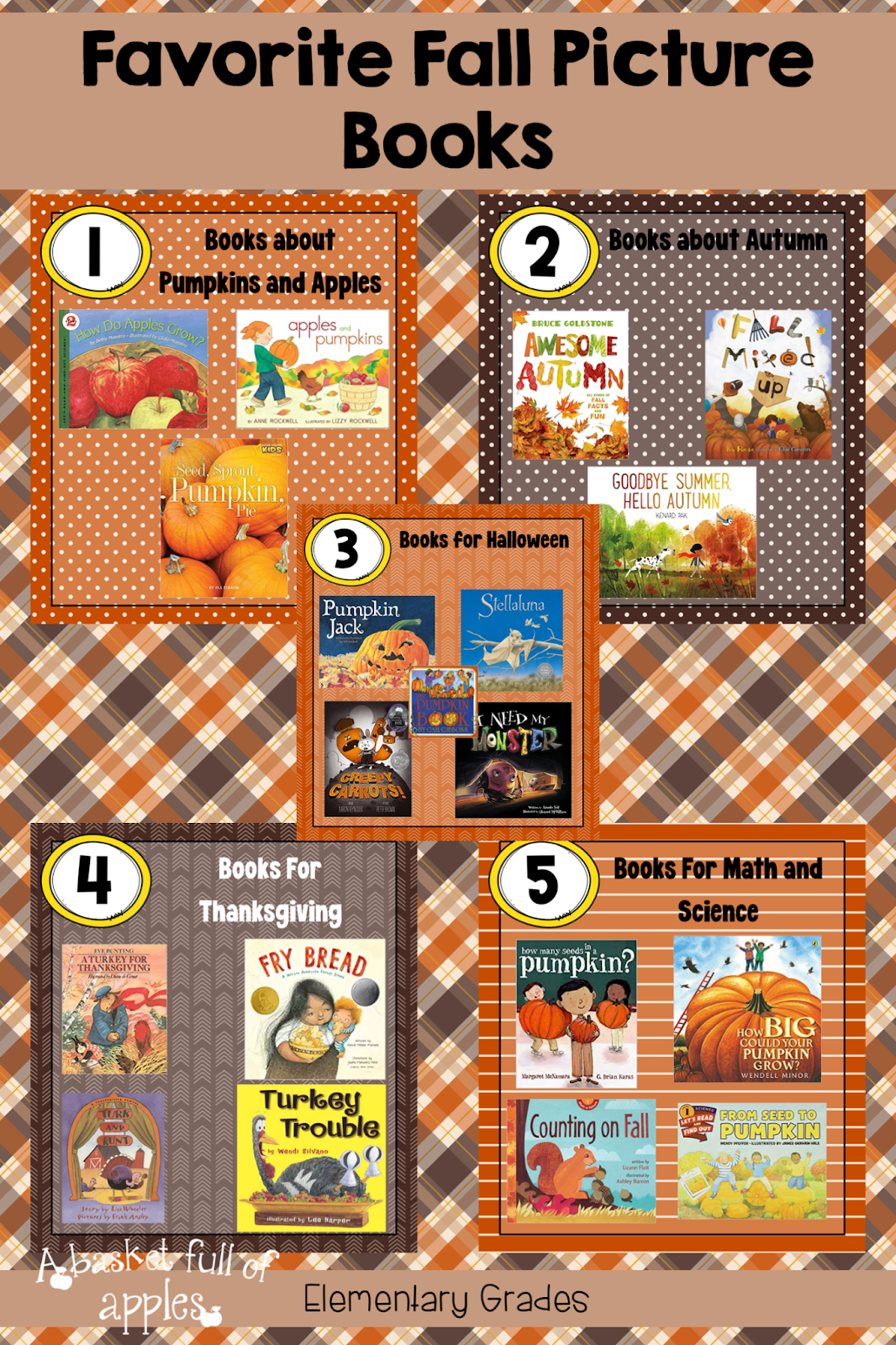
I love sharing picture books in my classroom! Fall is one of my favorite times of year to share picture books, and today I am going to share some of my favorite picture books with you!
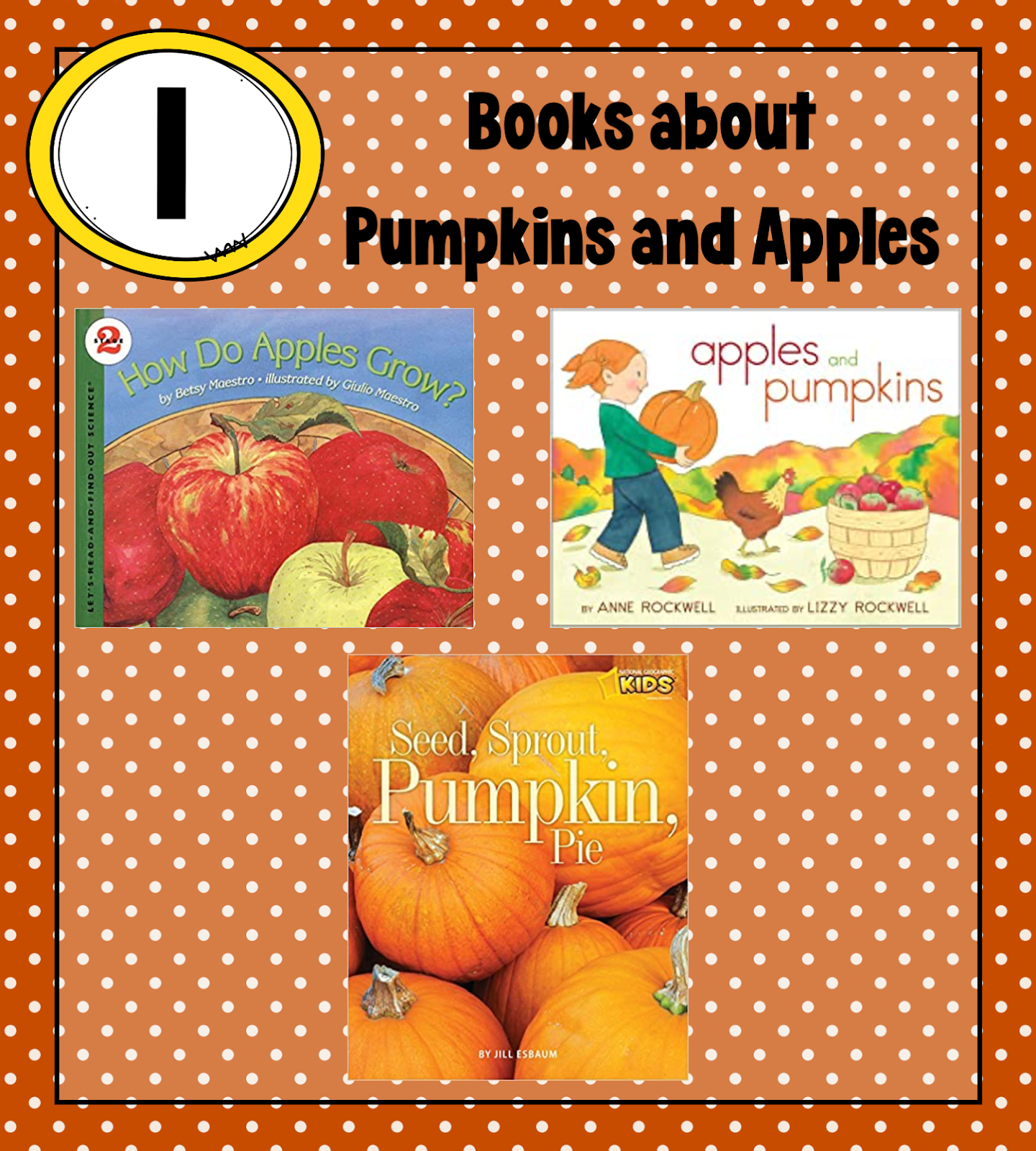


     Fall is the perfect time to learn all about apples and pumpkins. I love taking time to teach my students about how apples and pumpkins grow and what makes them special during the Fall. It is also great to have field trips for your students, like to an apple orchard or the pumpkin patch. 
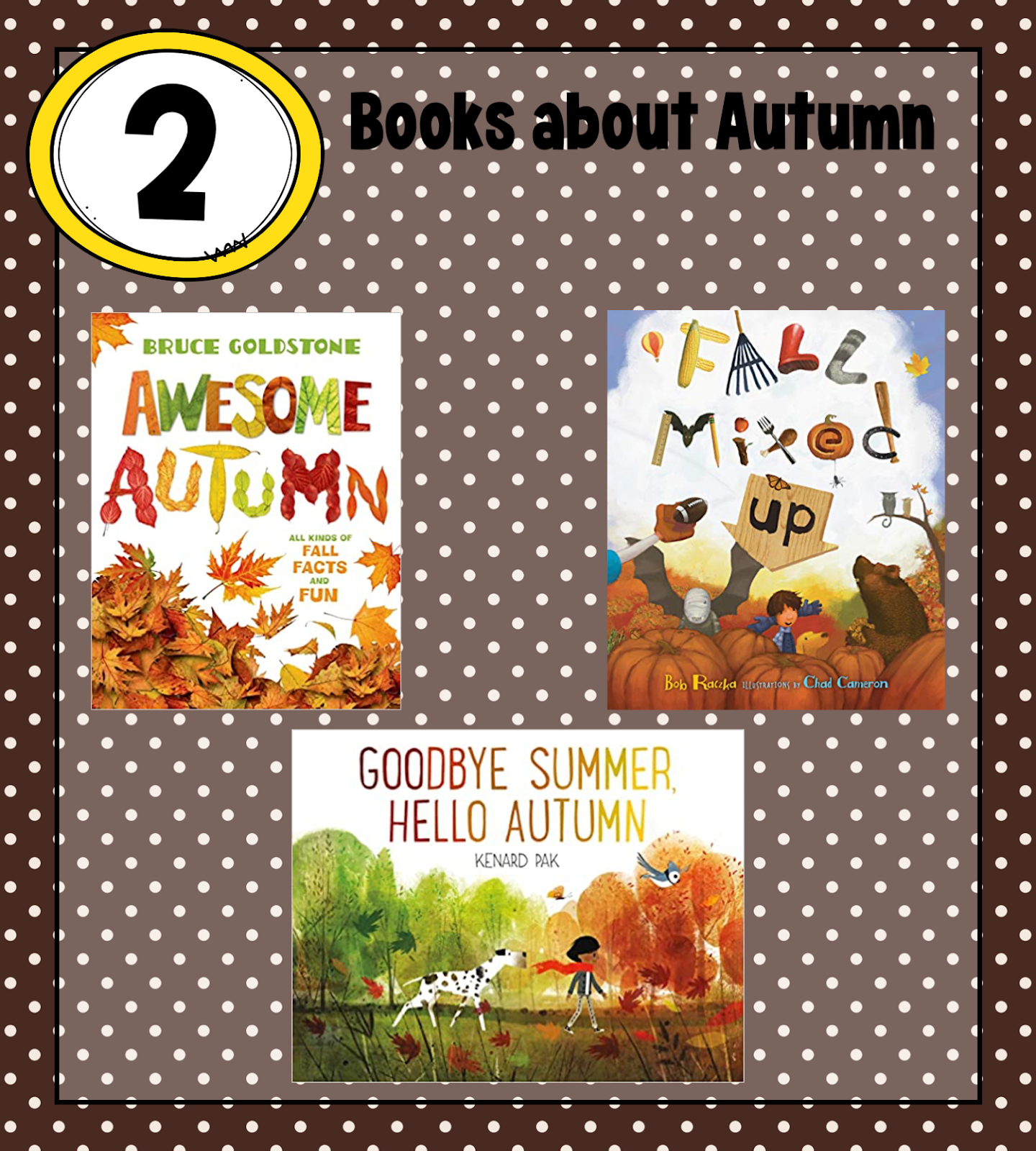


   The topic of Autumn is another great subject to share. There are so many great activities that happen in the Fall and it is really fun to read about that. Goodbye Summer, Hello Autumn is a perfect story for this. Awesome Autumn is another great picture book all about the Fall season. 
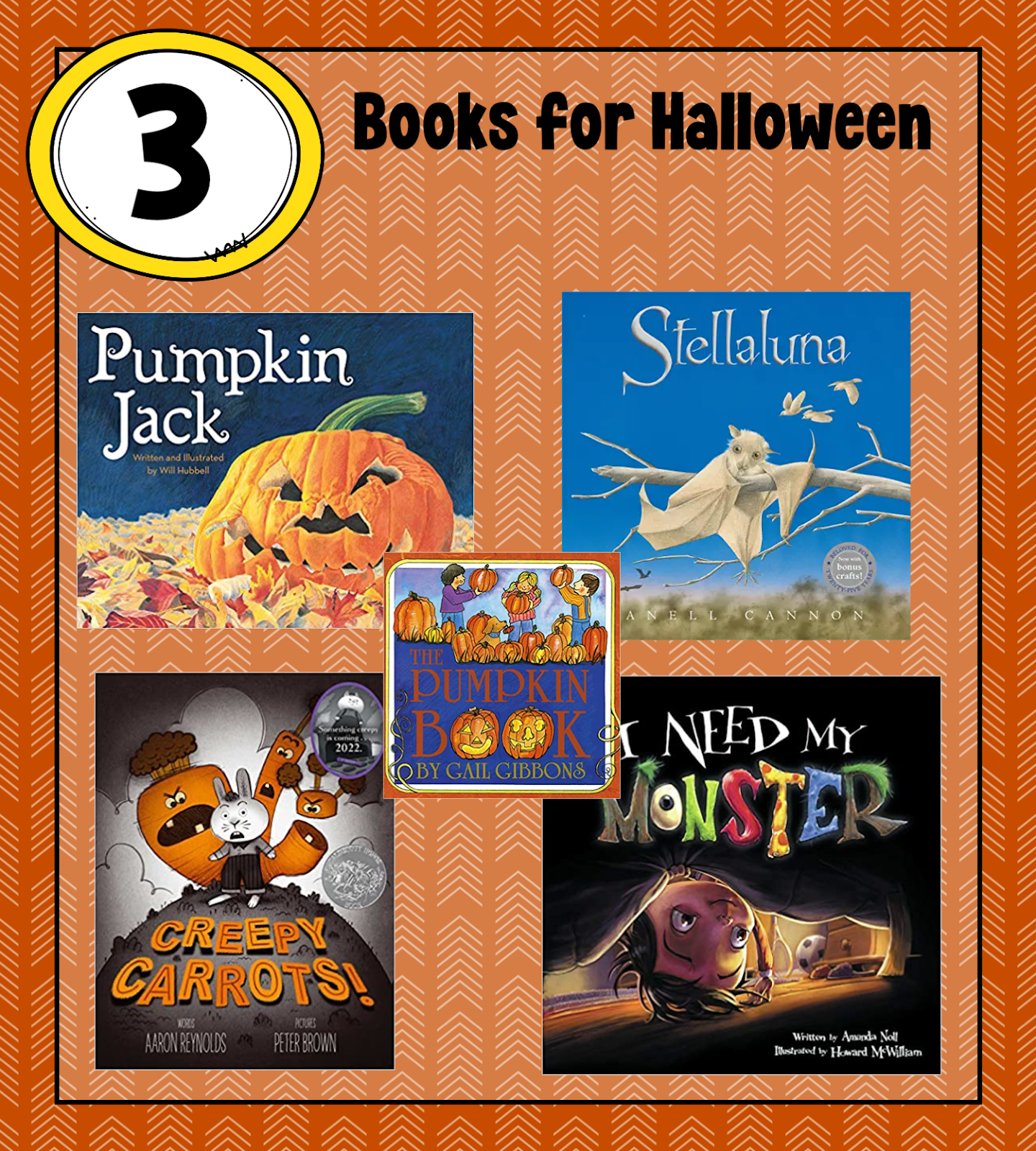


    I love using picture books for Halloween. There are so many great topics that you can cover leading up to Halloween. I like to cover a different Halloween topic and book each week leading up to the holiday. I enjoy doing a week all about spiders. Stellaluna by Janelle Cannon and Spiders by Gail Gibbons are some of my favorites. I love to do another week all about pumpkins. A couple of my favorite books for this topic are Pumpkin Jack by Will Hubble and The Pumpkin Book by Gail Gibbons. All four of these books allow students to compare fiction literature with nonfiction literature. I think it is so important to introduce nonfiction books and stories as much as possible. During the weeks leading up to Halloween, I also love to share fun stories like Creepy Carrots by Aaron Reynolds and Peter Brown and I Need My Monster by Amanda Knoll. There are so many fun books for the month of October and Halloween! 
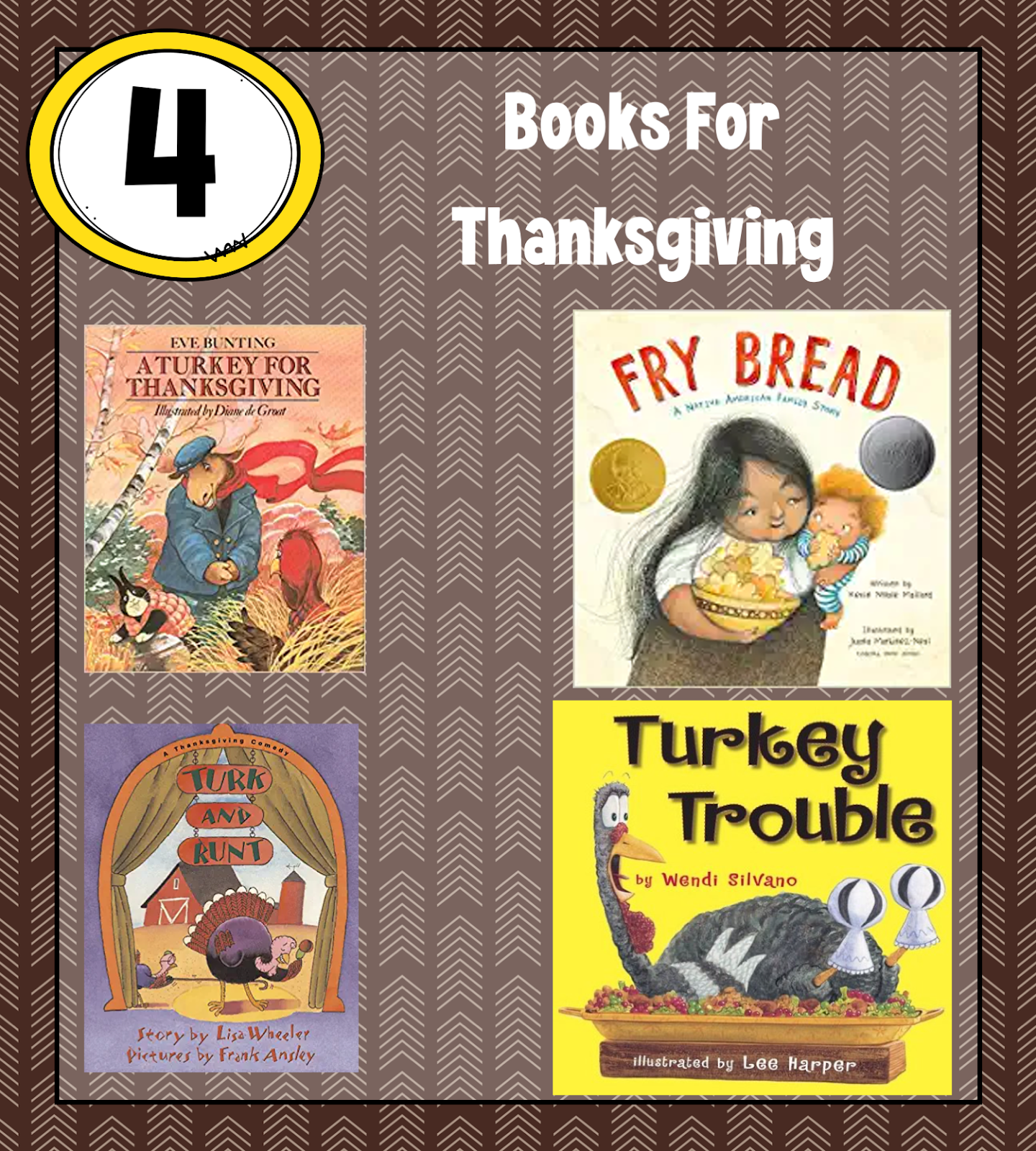


     Thanksgiving is another great time for Picture Books. I love to share Thanksgiving stories with my students all of November, but I really beef it up the week leading up to the holiday. The week before the holiday, I like to read a story each day. Sometimes I will tie it in with our reading instruction and sometimes I will read the stories for our read aloud time. The students love to listen to stories. They don’t care when you share the books, as long as they are being shared! Some of my favorites for Thanksgiving are Turk and Runt by Lisa Wheeler and A Turkey for Thanksgiving by Eve Bunting. Fry Bread is a great story about the Native Americans and how they make fry bread. This is a fun story to share leading up to Thanksgiving. 
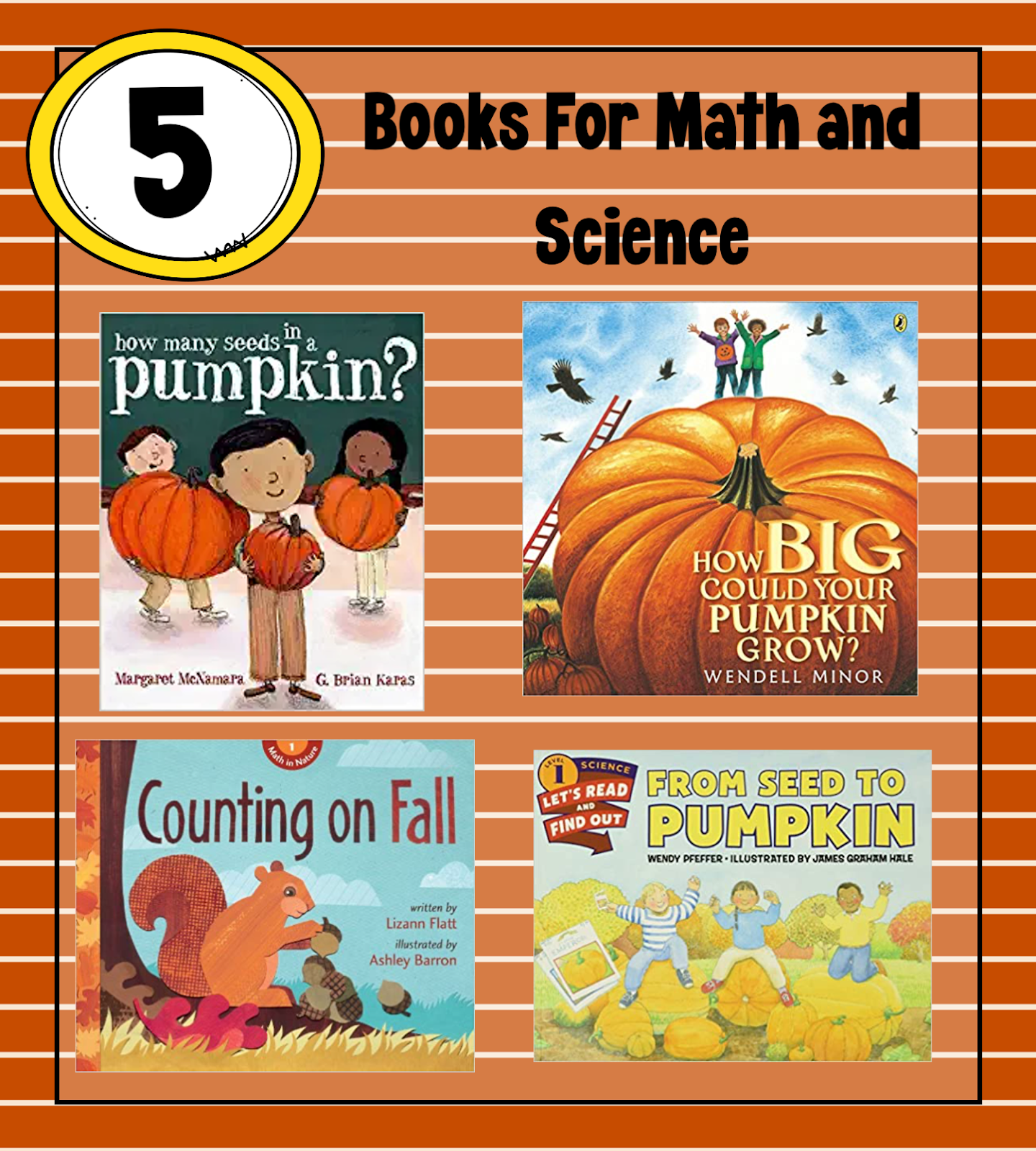


     Fall is the perfect time to read picture books that teach about math and science. One of my all time favorite books to read is How Many Seeds in a Pumpkin? By Margret McNamara. This book allows me to introduce some really interesting concepts for math and science. My students always enjoy learning about estimation. I break my students up into 3 different groups and give each group a different size pumpkin, and they count the seeds that are inside the pumpkin. It is always fun to guess the amount of seeds and then see the excitement of the kids as they realize the amount of seeds does not have anything to do with the size of the pumpkin. I also use this book to do pumpkin investigations while we have the pumpkins open. This is a highlight of the fall season for my students. Another book that I always use in the Fall is From Seed to Pumpkin by Wendy Pfeffer. This book is great for teaching the science behind how pumpkins are grown. This would be a great time to have students grow their own plants so they can see steps in growing a plant, and it would also be a great time to visit a pumpkin patch so they can see how the steps of how pumpkins are grown in real life. 


     There are so many wonderful topics that you can cover during the Fall. Your students will enjoy learning about apples, pumpkins, Halloween and Thanksgiving. Let me know in the comments what your favorite picture books are for the Fall. What are your favorite activities to do with your students? I can’t wait to try them out in the future! 


Wednesday, September 7, 2022

How To Organize Your Classroom So It Stays Organized All Year Long

It can be a challenge to keep your classroom organized for the year. So often, students burst into the room and all of a sudden it looks like a tornado blew through! That’s why I love to create systems that help my students keep our classroom clean and organized. Today we are going to look at all the different ways you can organize your classroom and help create systems for your students. 


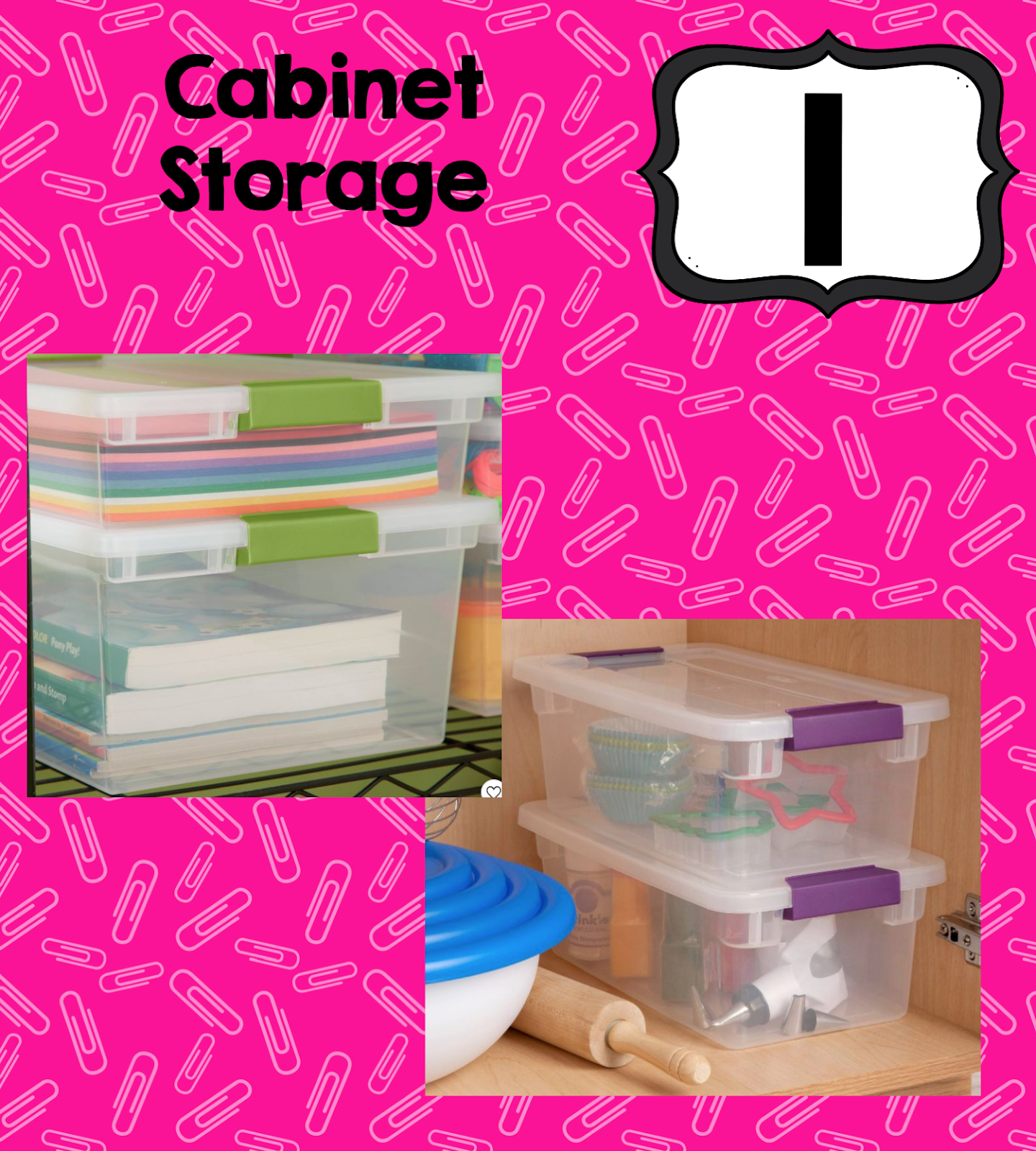
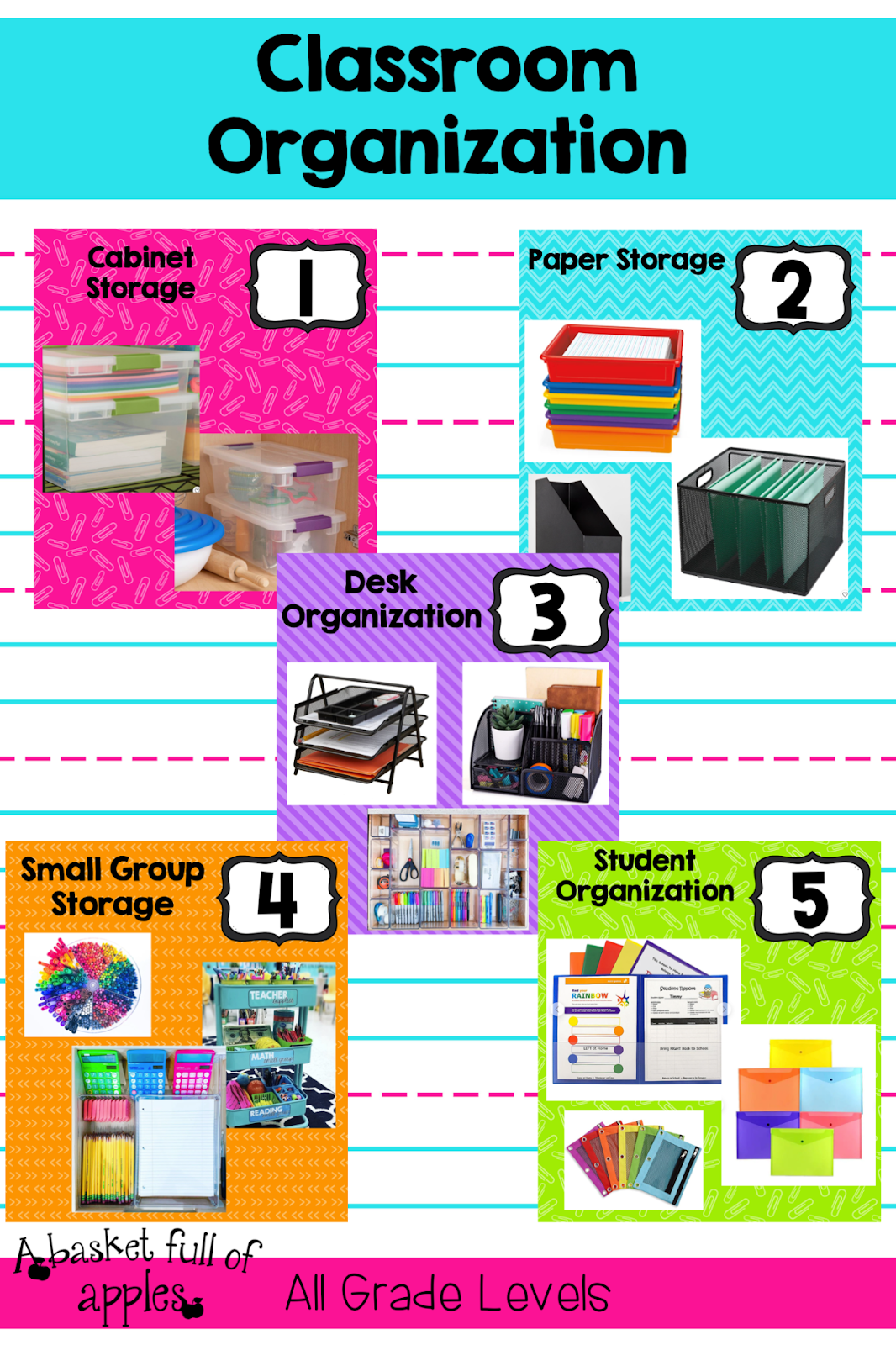
     The first area of the classroom that needs to be organized is your cabinets. This is an area that people don’t really see, but having this area organized will help you easily find things all year long. I love to use small and medium-sized plastic boxes. This allows you to see what is inside. I put all the different supplies that students will need throughout the year in the small boxes. I have a box for each item like pencils, glue sticks, extra crayons, and scissors. Using these small boxes allows me to pull out what we need, and they have a home to go back to when we are done. I also love to use medium-sized boxes for larger items that we use all the time. This can be paper, manipulatives that we use all the time, or any other larger item that you use in your classroom. One of my favorite types of boxes to use is the flat paper-sized boxes. I use these for our different centers around the classroom. Each week I put out the different activities that we will be working on and then put the lid back on them. They stack in the cabinet when we are not using them and then when we need them, I put them out on the tables and everything the students need is all ready to go in the box. These flat boxes work perfectly! 


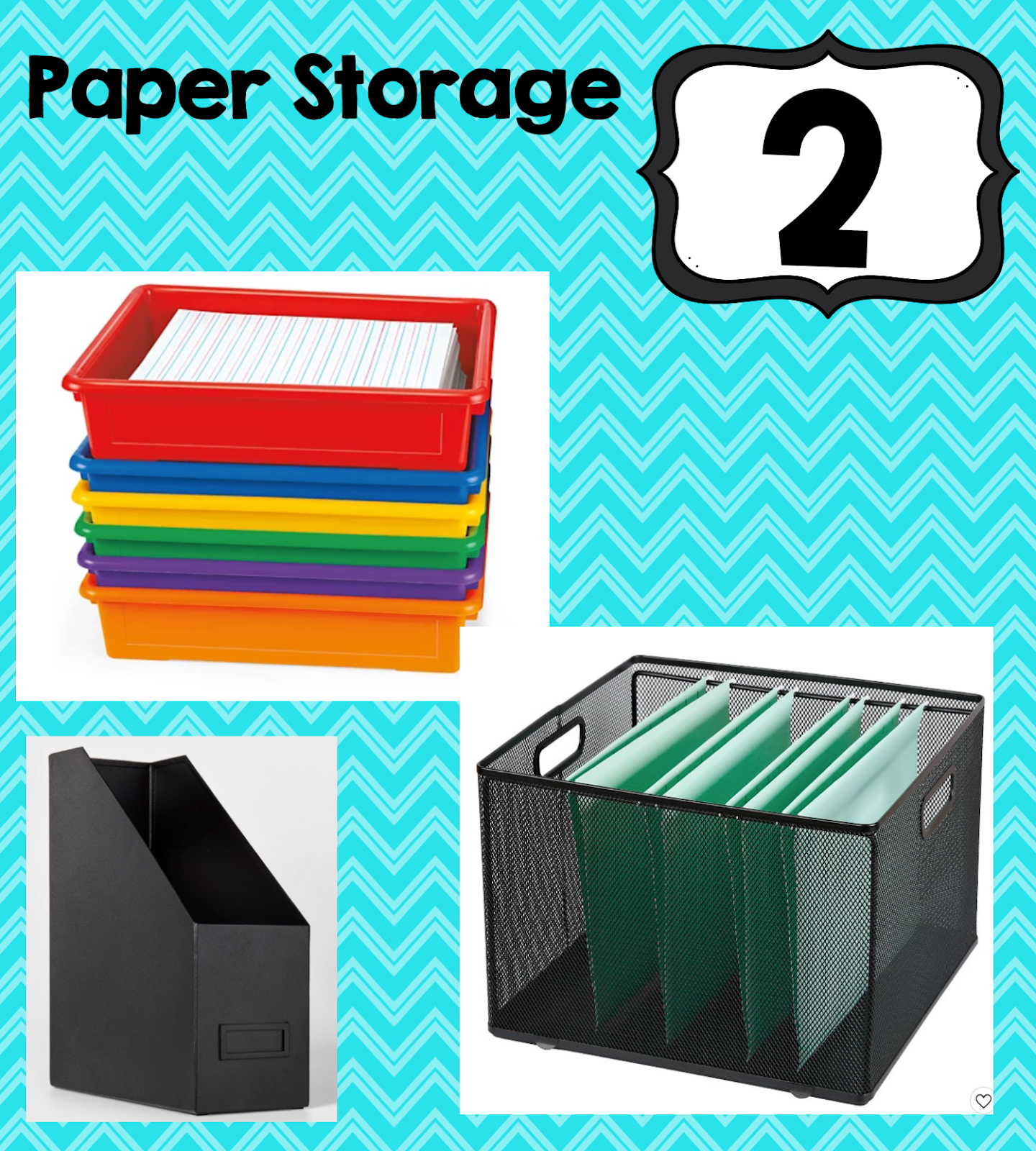
     The next area of the classroom that we need to organize is the paper. I love to have paper supplies out for students so they can get what they need and don’t have to constantly ask for things. I use paper trays for students to get more paper for Writer’s Workshop and also for students to turn things in. There are times that I choose one student from each table to turn everything in for their group. By using paper trays, the students know exactly where they need to turn in the assignments. I also love to use magazine boxes for our folders. This makes it easy for students to find their folders at the start of the day because the folders are all upright instead of stacked inside a paper tray. The last place that a lot of papers go in our classroom is in the file box that I have for students. 


I love keeping portfolios for my students. We keep digital portfolios with all the digital work that we do, but we also do a lot of paper work too. Each week when I hand work back to my students, I have them pick a couple pieces of work in each subject to add to their portfolio. I use a file box to keep all of that work in. This allows the students to quickly put the work in their folder and it also keeps everything organized. When parent teacher conferences come around, I just pull out the portfolio for the student and then they are ready to share all the awesome work they have been doing. 


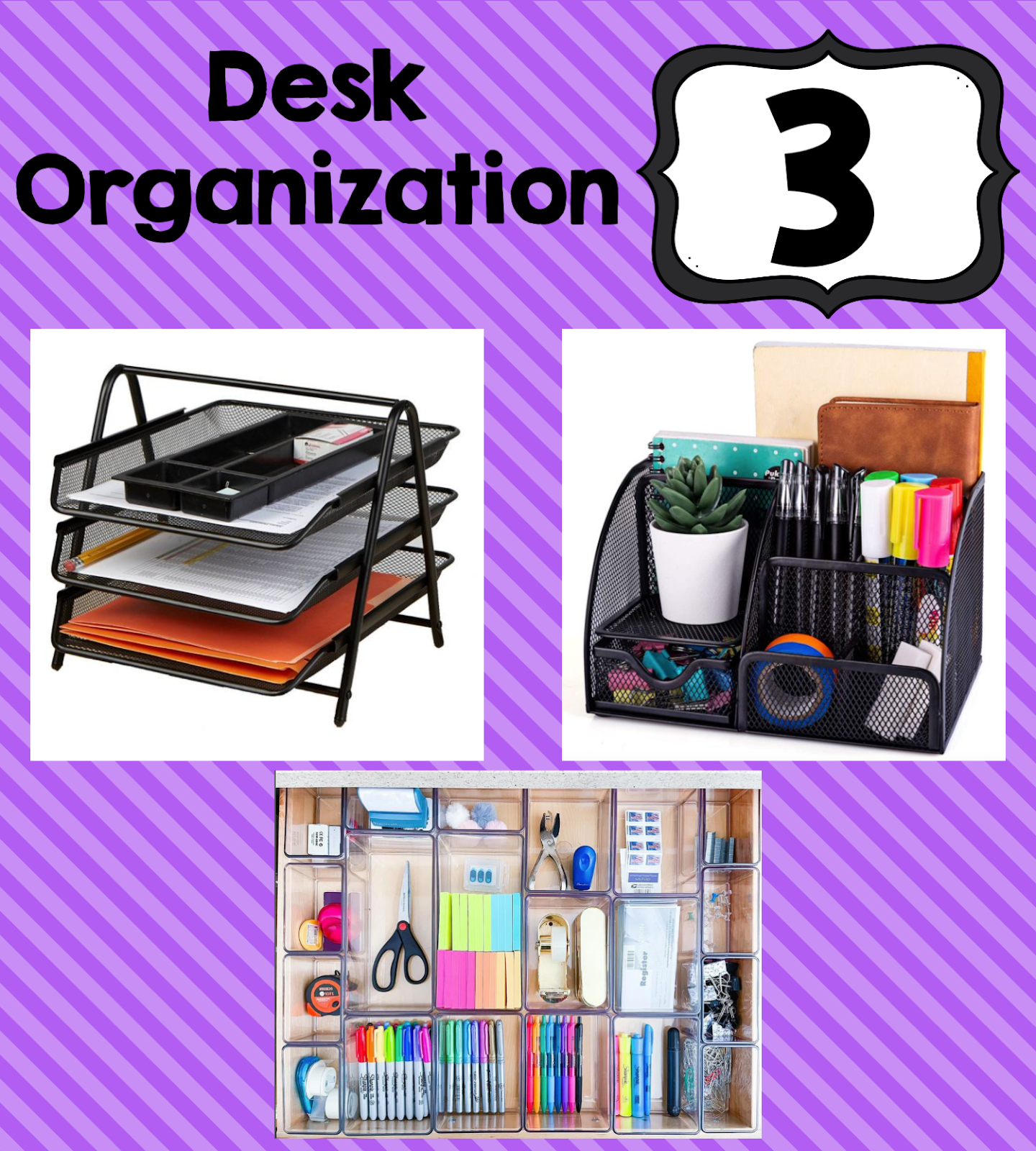
     Your desk is another area that is so important to keep neat and organized. I love to keep a stacking paper tray on my desk. Each of the sections is for different things. The top section is where students put notes from home. I also put things from the office there until I can go through them. The next section is for things that need to get done right away, and the final section is for important papers that I need to keep, like our school calendar or checkoff sheets that I am using at the time. I also love to use some type of desk organizer. This keeps everything that I use all the time at my fingertips. I keep pens, pencils, scissors, post-its, and tape in mine. Inside my desk, I love to use drawer organizers. This keeps everything in its place, instead of everything spreading all over the place. This is where I keep extras of items like pens, pencils, markers, and paper clips. I love having my desk area organized so I can easily find things. 


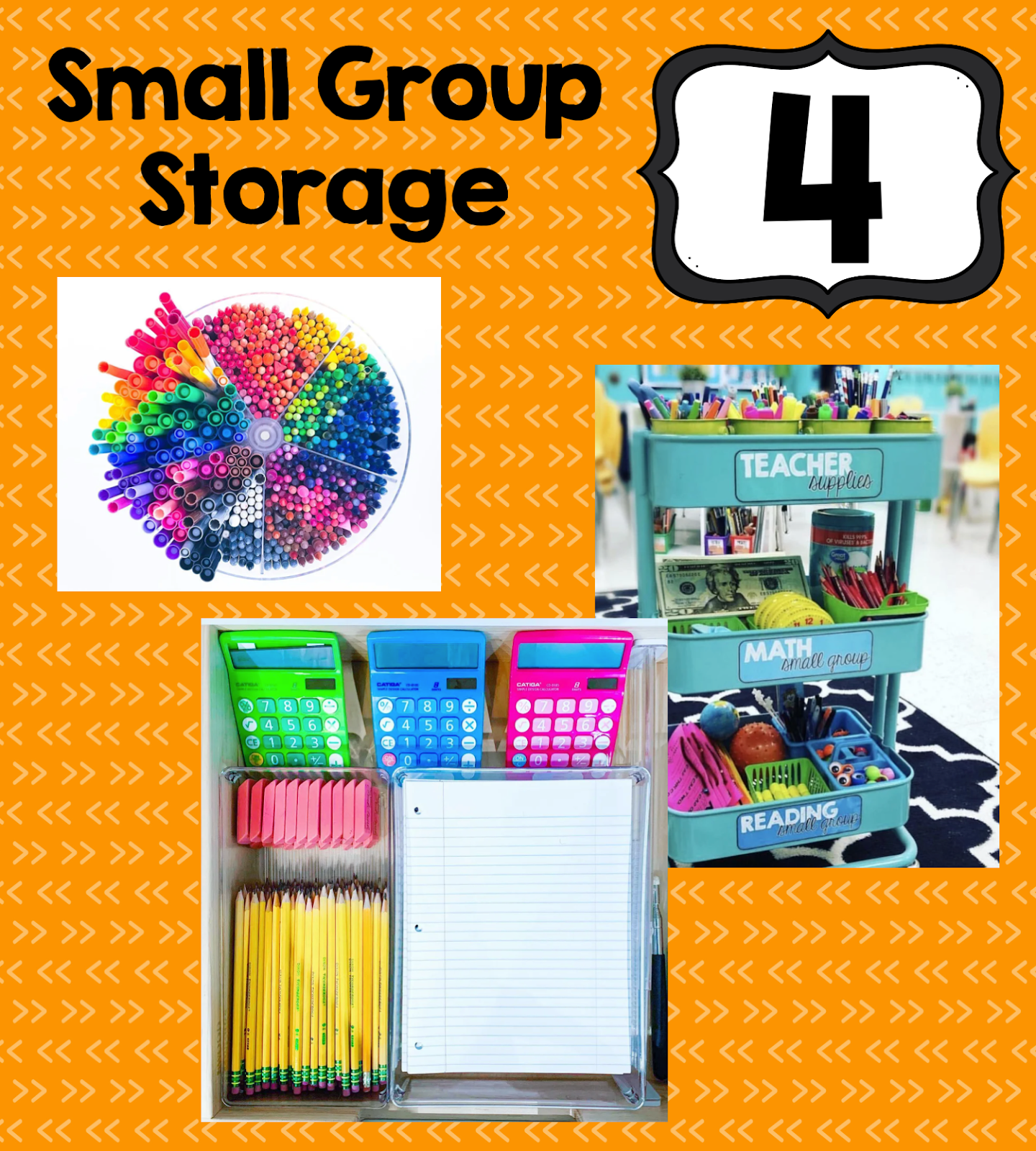
     I love to have a kidney bean table in my classroom. This is a perfect place to pull students to do small group instruction. I like to keep a utility cart next to my table. This allows me to keep everything that I need at my fingertips for our small group instruction. In the utility cart, I keep all my teacher supplies in the top section. The middle section has everything that I will need for Language Arts, and the bottom section has everything that I will use for our math small group instruction. It always works out perfectly to have all the supplies students need in the cart. Having everything in a utility cart lets you move it around to different locations around the classroom if needed. Using drawer organization also allows you to be able to find things quickly. I also like to use a round sectioned organizer for all the items like pencils, crayons, and markers, that students will need all throughout the small group instruction. 


     The last area that we need to organize is the students' materials. I make sure that students always have a folder in their desk to put all their papers in. I have my students use a packet for the week before they turn things in, so it is important that they have a place to keep those papers. I like to use plastic folders because they hold up for the whole year. I also like to have my students use pencil pouches rather than pencil boxes to keep their supplies so they can easily move around the classroom with our flexible seating. I recommend using fabric pencil pouches because they hold up well. The last thing that I love to use with students is plastic envelopes. These always work out well for giving work back to students. They take them home, parents review the work, and then they return them the next day. Once again, I like to use the plastic envelopes because they hold up so much better. One issue is that sometimes students do not return the envelopes. I like to have some kind of incentive, like class money, for students to be motivated to return the envelopes. 


    Keeping your classroom organized is so important. An organized classroom will help your students know where things go. It will also help your students to keep the classroom clean and tidy. When everything in your classroom has a place to live, your classroom will always stay organized and clean.


Wednesday, August 3, 2022

My 8 Favorite Picture Books to Teach Social Emotional Learning to Your Students

Picture Books are my favorite way to introduce new concepts to my students. Social-emotional learning is a concept that teachers need to be teaching in their classrooms, and I find it so helpful to introduce these concepts using picture books. Picture books help my students put new concepts into action. I love to see my students reflect on the things that they’ve learned in picture books and have discussions with their classmates. Today we are going to talk about the books that I like to share with my students to learn more about social-emotional learning. 


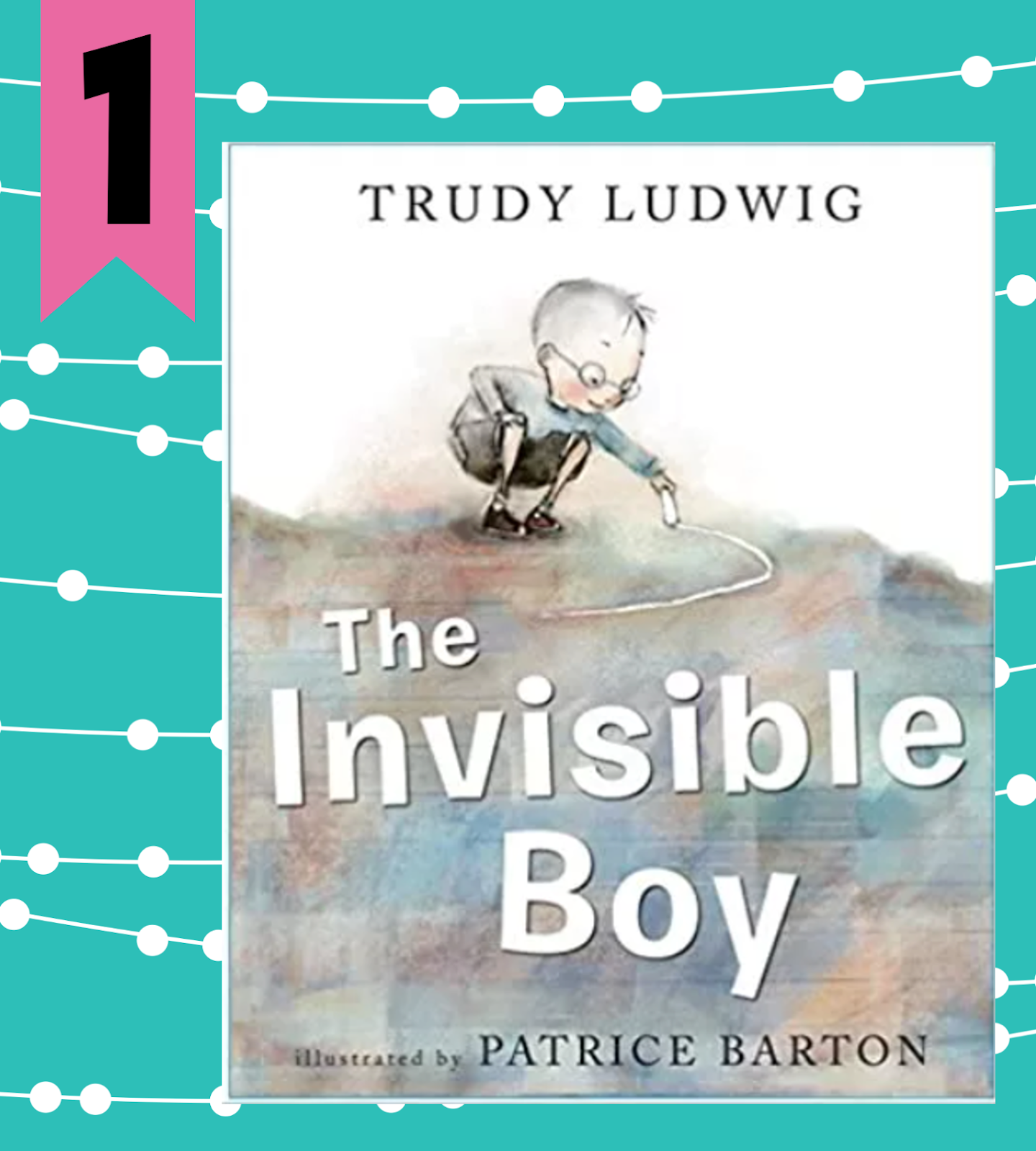
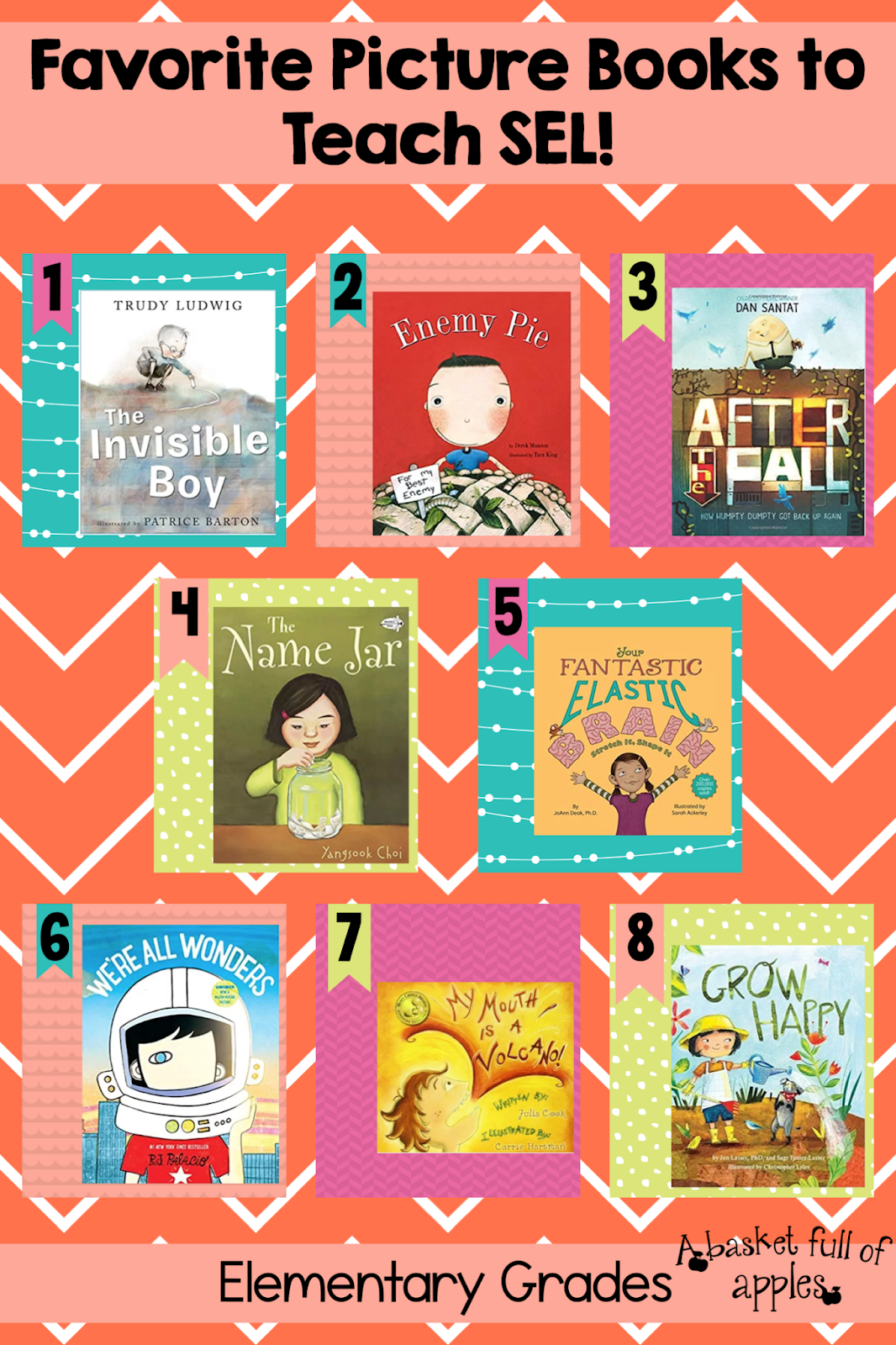
     The first book on the list is The Invisible Boy by Trudy Ludwig. This story is about a little boy who feels invisible and is not included in the activities of his classmates. Everything changes when Justin joins the class. Justin and Brian work together on a project and everything changes for Brian. The rest of the class starts to see what Brian has to offer to the class. This is a great story to help your students understand how to include everyone, and how excluding our classmates can make them feel. 


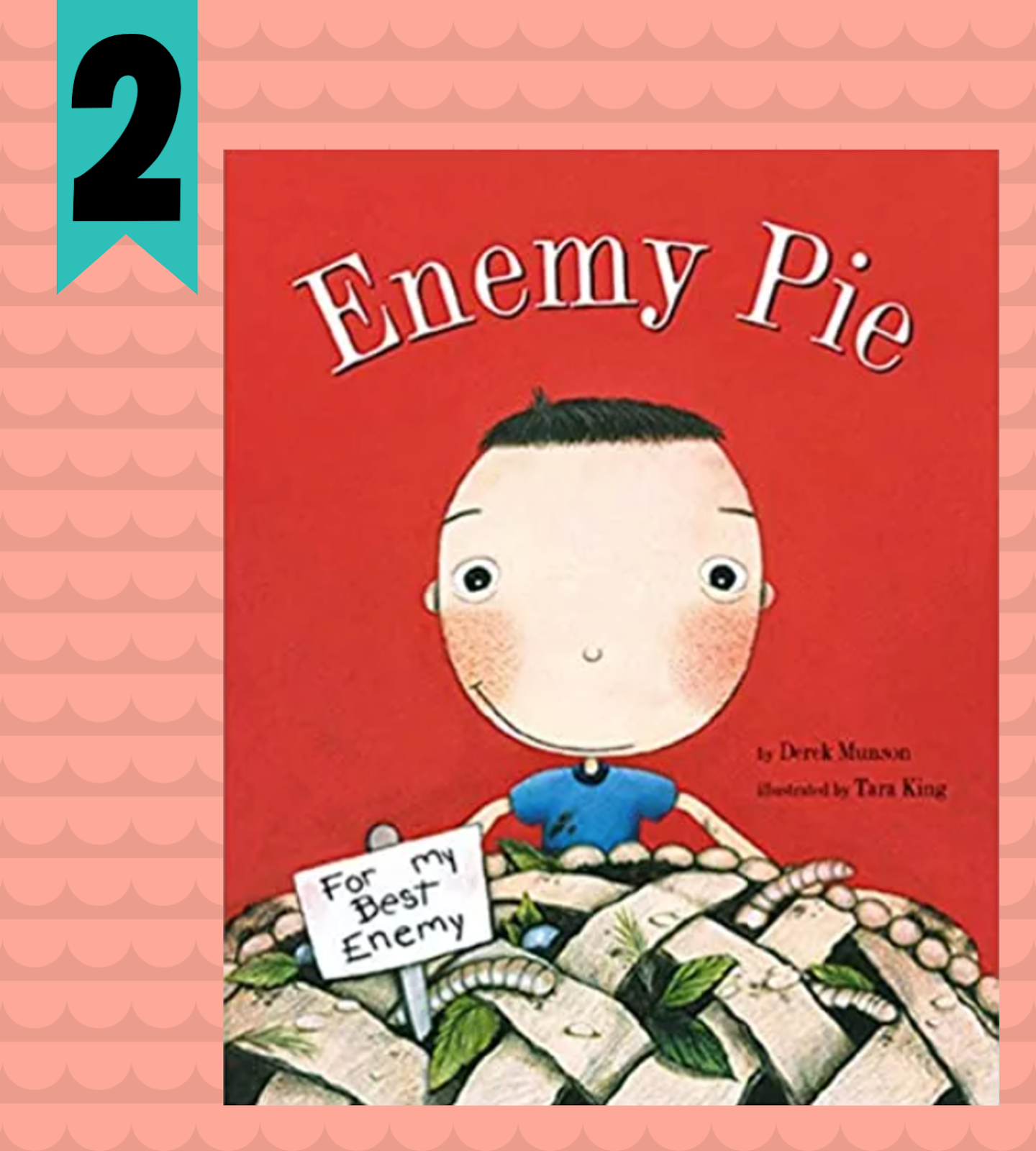
     The next book on the list is Enemy Pie by Derek Munson. This is the perfect story to teach kindness, respect, courtesy, and friendship. In this fun story, a little boy learns a recipe from his dad to turn an enemy into his friend. This book is perfect for kids learning how to make friends and resolve conflict. 


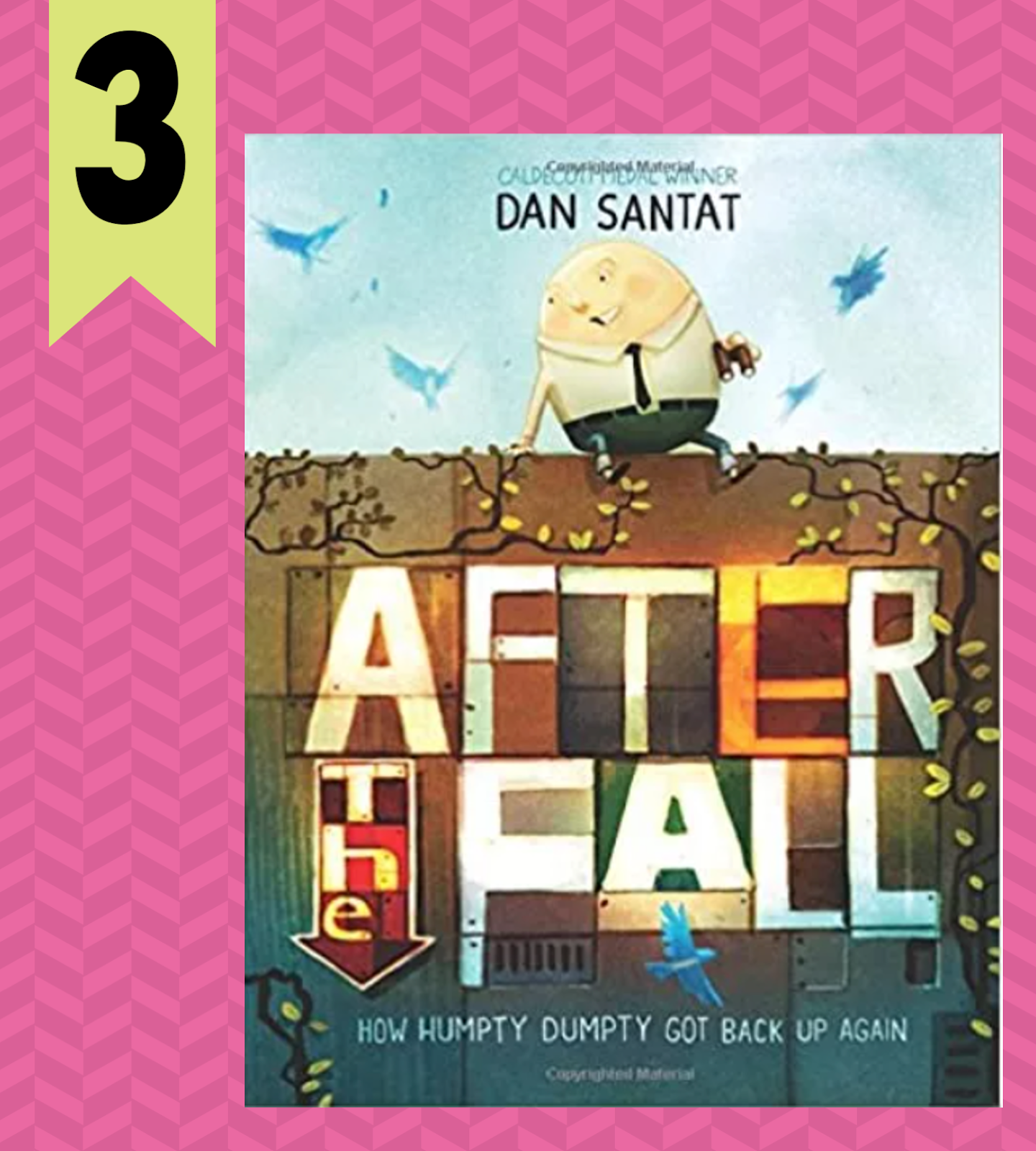
     The next book on the list is After the Fall by Dan Santat. We all know that Humpty Dumpty had a great fall, but what happened to him after the fall? This is an excellent story about facing your fears. Humpty Dumpty is scared to do the things that he always loved. Will he ever get the courage to face his fear and try the things that he loves again? 


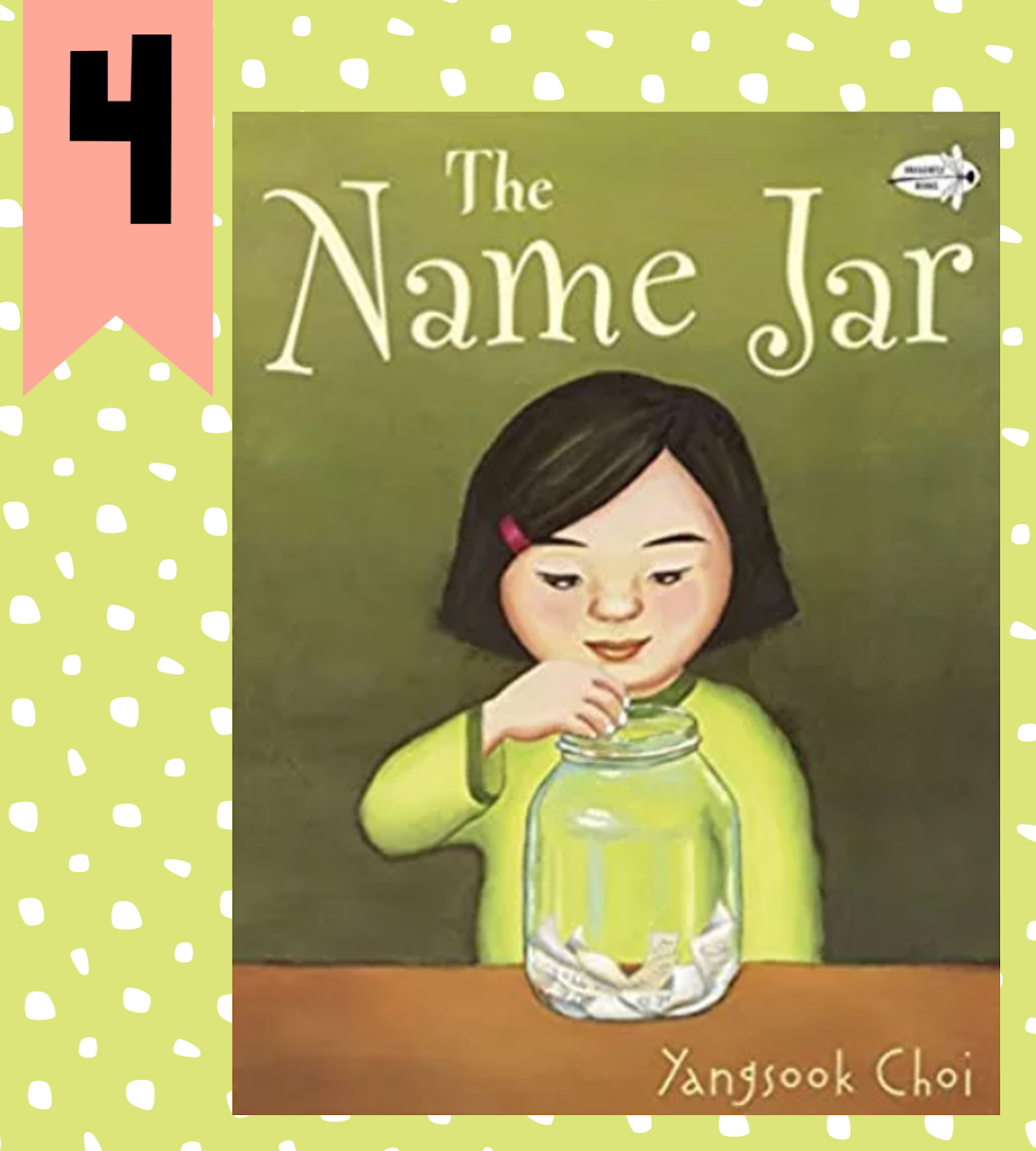
     The next book on the list is The Name Jar by Yangsook Choi. Being the new kid can be hard. Unhei decides that instead of having the class learn to say her name, she will have the class create names for her and put them in a jar. But after trying out the different names, nothing feels quite right. Her new friend helps her realize that her name is special. This is a great story to help students feel accepted and realize that each one of them is special. 


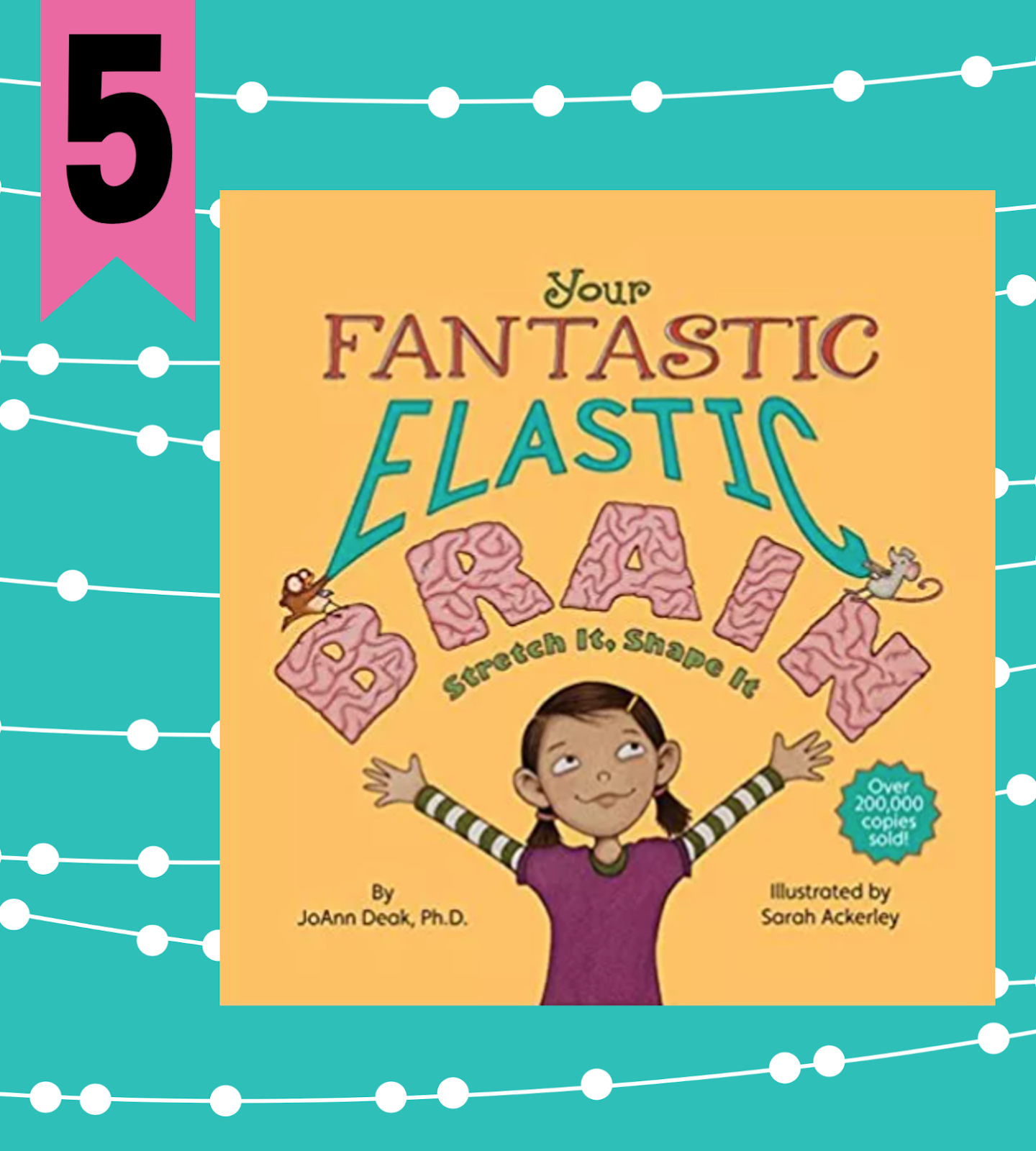
     The next book on the list is Your Fantastic Elastic Brain by JoAnn Deak. This is a great book to teach kids about a growth mindset. It is so important for kids to have a growth mindset rather than a fixed mindset. This book talks about all the ways we can stretch our brain and help it learn things. 


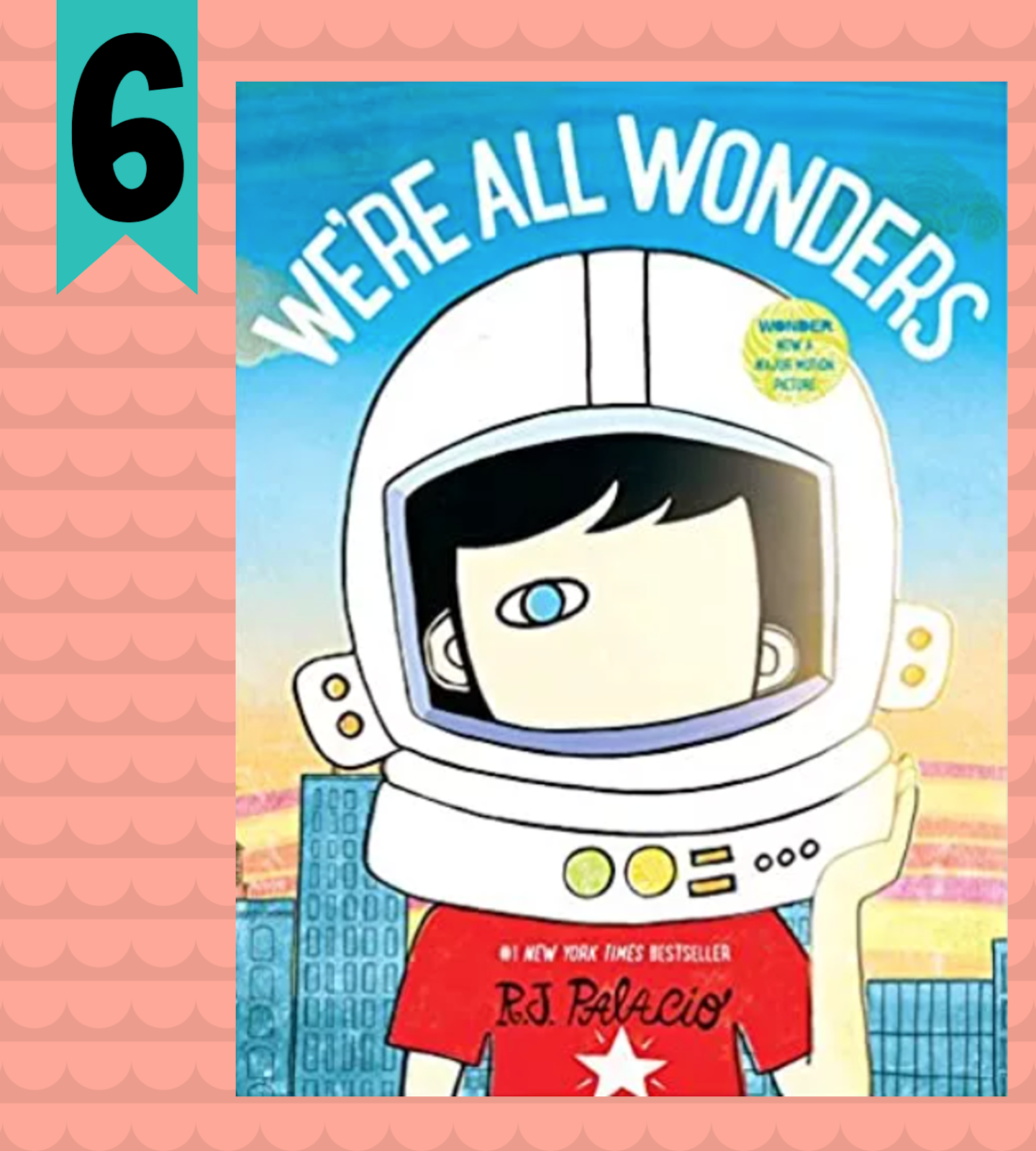
     This next book on the list is always a favorite. We’re All Wonders by R.J. Palacio goes along with the book Wonder. This book goes into the life of Auggie and what it is like to live in his shoes. This is the perfect book to discuss the idea of belonging. This is perfect for younger children to discuss the concept of empathy and kindness. 


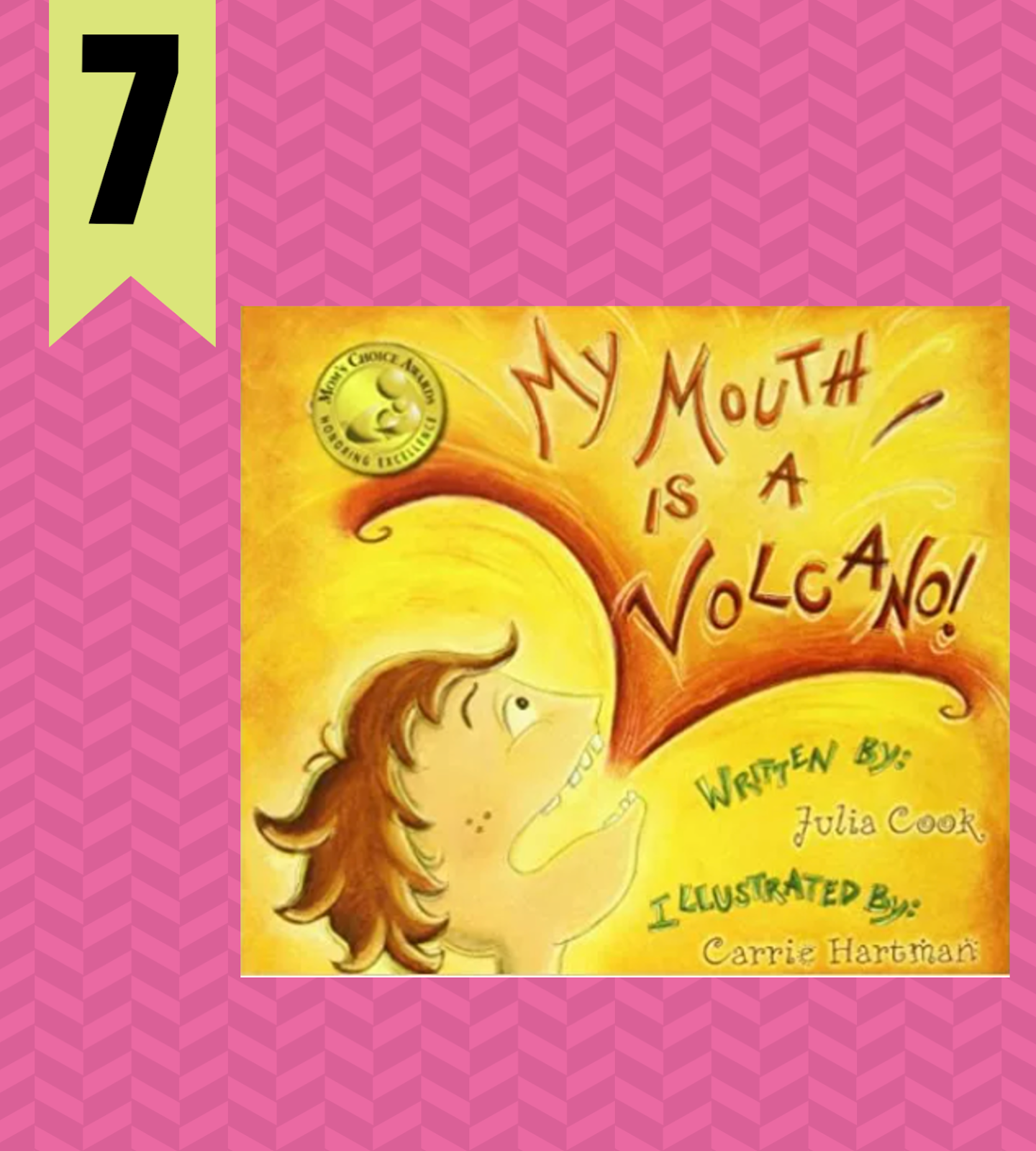
     The next book is My Mouth is a Volcano by Julia Cook. Louis has a problem with interrupting. His thoughts are very important to him and the words just come out like a volcano. Then some other people start to interrupt Louis and he learns how to patiently wait for his turn to speak. I feel like students who interrupt is always a challenge in the classroom, and this book is a great story to help with this. 


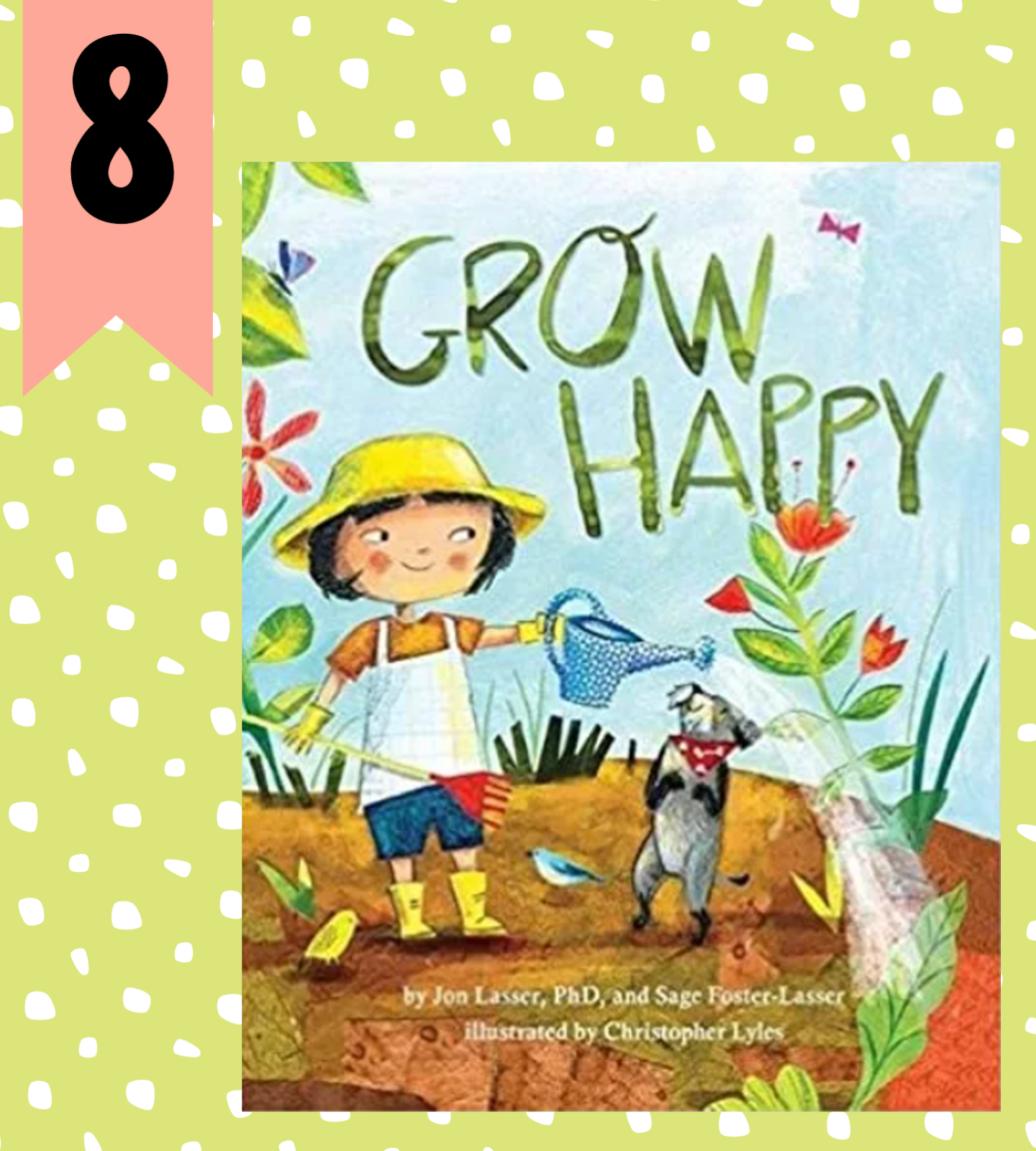
     The last book on the list is Grow Happy by Jon Lasser. In Grow Happy, Kiko loves to garden and take care of her garden. She learns that just like her garden is happy, she can be happy too. This book helps kids to see that they are able to nurture their own happiness. The tools that the book introduces are social support, good choices, and problem-solving skills. The message of this book is perfect for the classroom. 


     This list of picture books is perfect for helping our students with social-emotional learning. I always enjoy seeing my students take all of these lessons to heart. What books do you love to share with your class for social-emotional learning? Share your favorites with me in the comments! I can’t wait to add more to my classroom favorites! 


Wednesday, July 13, 2022

6 of my top tips for Creating a Digital Classroom with Google Apps

  Technology is more and more popular in classrooms, but teachers don’t always know how to bring more technology into their classrooms. Today I am going to show you how you can easily bring more technology into your classroom and make your students excited about learning!


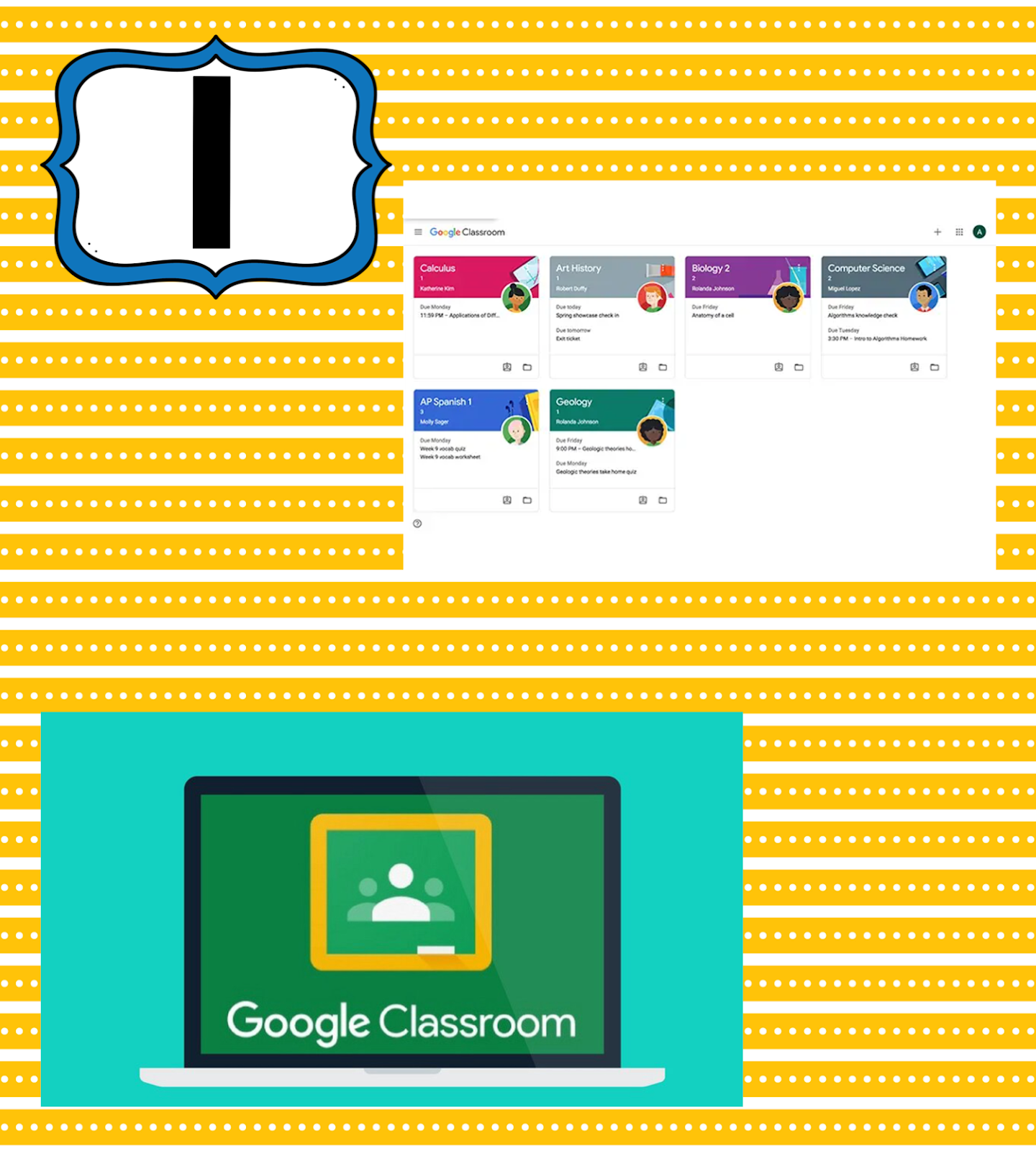
     The first thing I encourage teachers to implement is Google Classroom. This app makes it easy to create a virtual classroom and invite your students in. Once your students are in your class, you can easily create assignments for them. You are able to see what work your students have and haven't completed. You can also grade their work in the app and return it to them. Parents can also view their child’s work and see what has been completed and what work still needs to be turned in. Google Classroom allows teachers to seamlessly assign, collect, and grade work. 


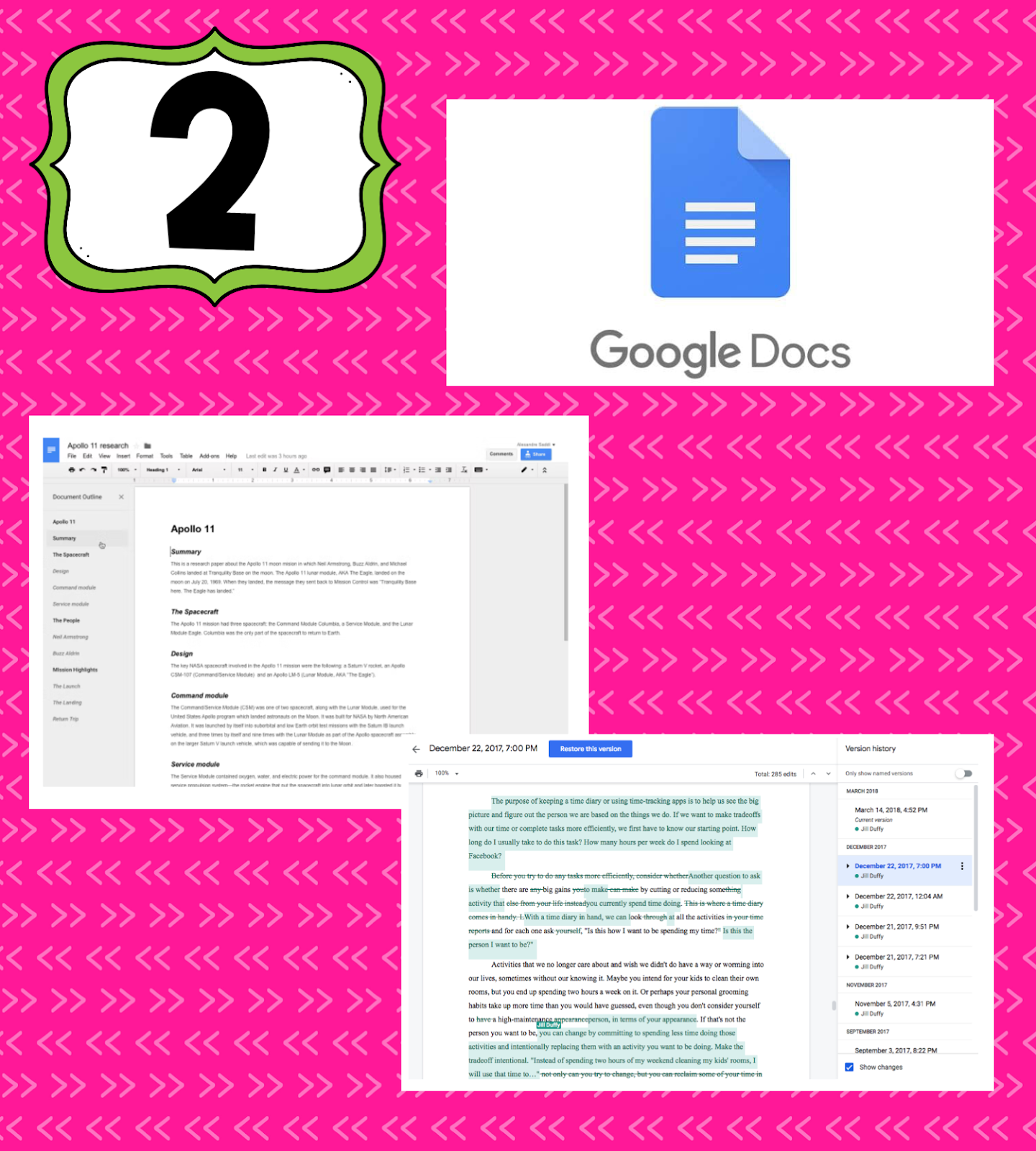
     The next app on the list is Google Docs. This an excellent app to allow students to create all the different writing assignments they have. In my classroom, I have students publish all of their writing throughout the year on Google Docs. This keeps a record of their work and it also allows them to work on their typing skills using real world applications rather than just typing on a typing program. Publishing on Google Docs gives students a reason to be typing, and they are working on those typing skills and don’t even realize it! There is so much typing now on the state tests and students need to be given opportunities to practice their typing skills. Another thing I love about all of the Google apps, but especially Google Docs, is that students can work together on one document from their own devices. As students are typing they will each have their own cursor with a different color. As a teacher, it is also great to be able to see revision history so you can see what students were typing and what they deleted. Google Docs can also show you if the student typed up the document word by word, or if they just copied and pasted the entire document. 


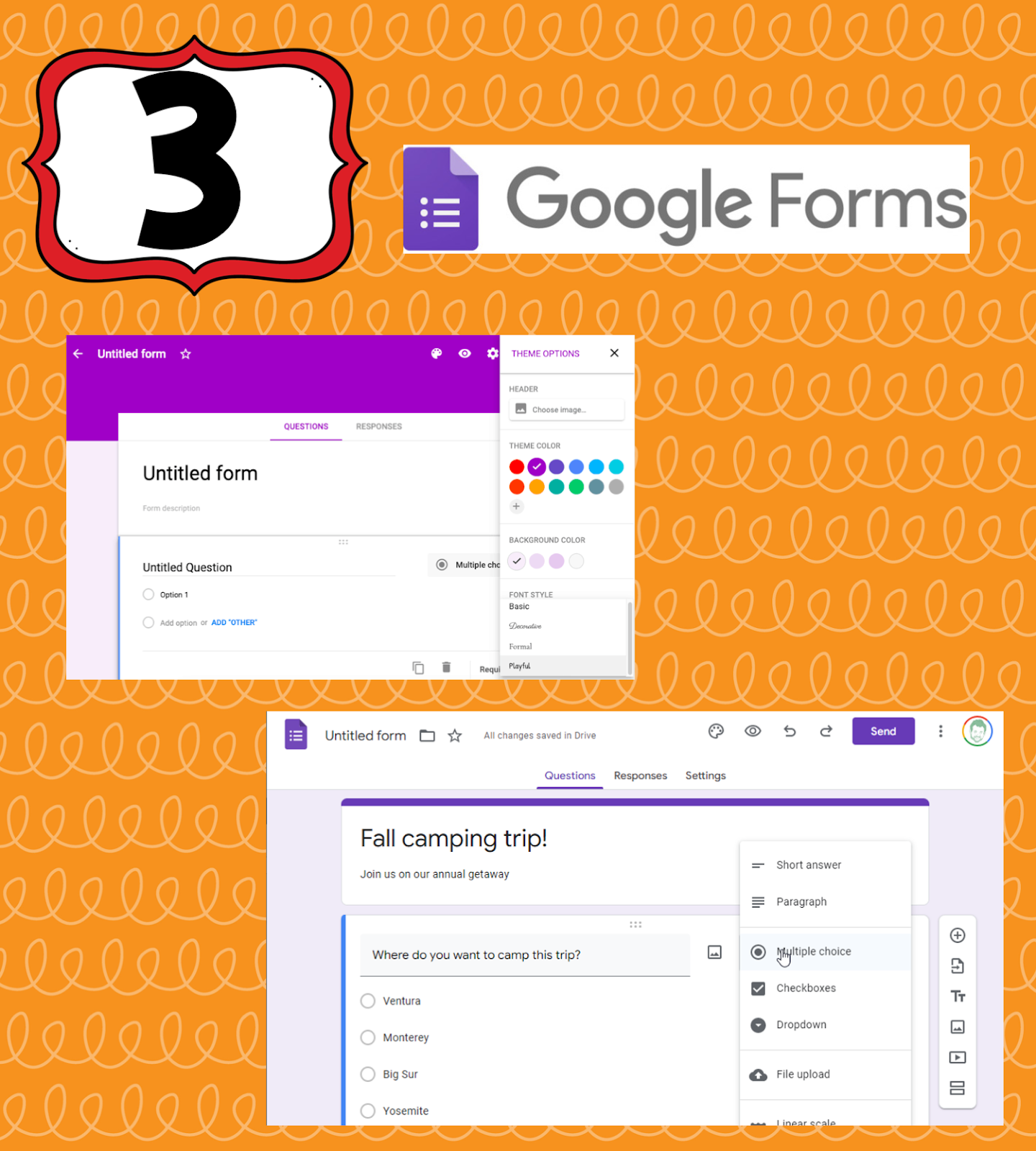
     The next Google app on the list is Google Forms. This is a great app that lets you collect data from your students. One way that I did this in my classroom was to do check ins with my students. Each morning, as part of our morning routine, the students would fill out the Google Form to let me know how they were doing. All of the data from the form automatically goes into the spreadsheet, which makes it easy to see the data from the Form. Google Forms also allows you to create quizzes for your students. They can even be self correcting so your students know right away how they did. The quizzes feature can be used for practice, quizzes, and tests. Google Forms can also be used to collect data from parents. I love to use a Google Form when I need to collect information from parents! A perfect time to do this is at the start of the school year when you need to collect all of that important information about families and students. 


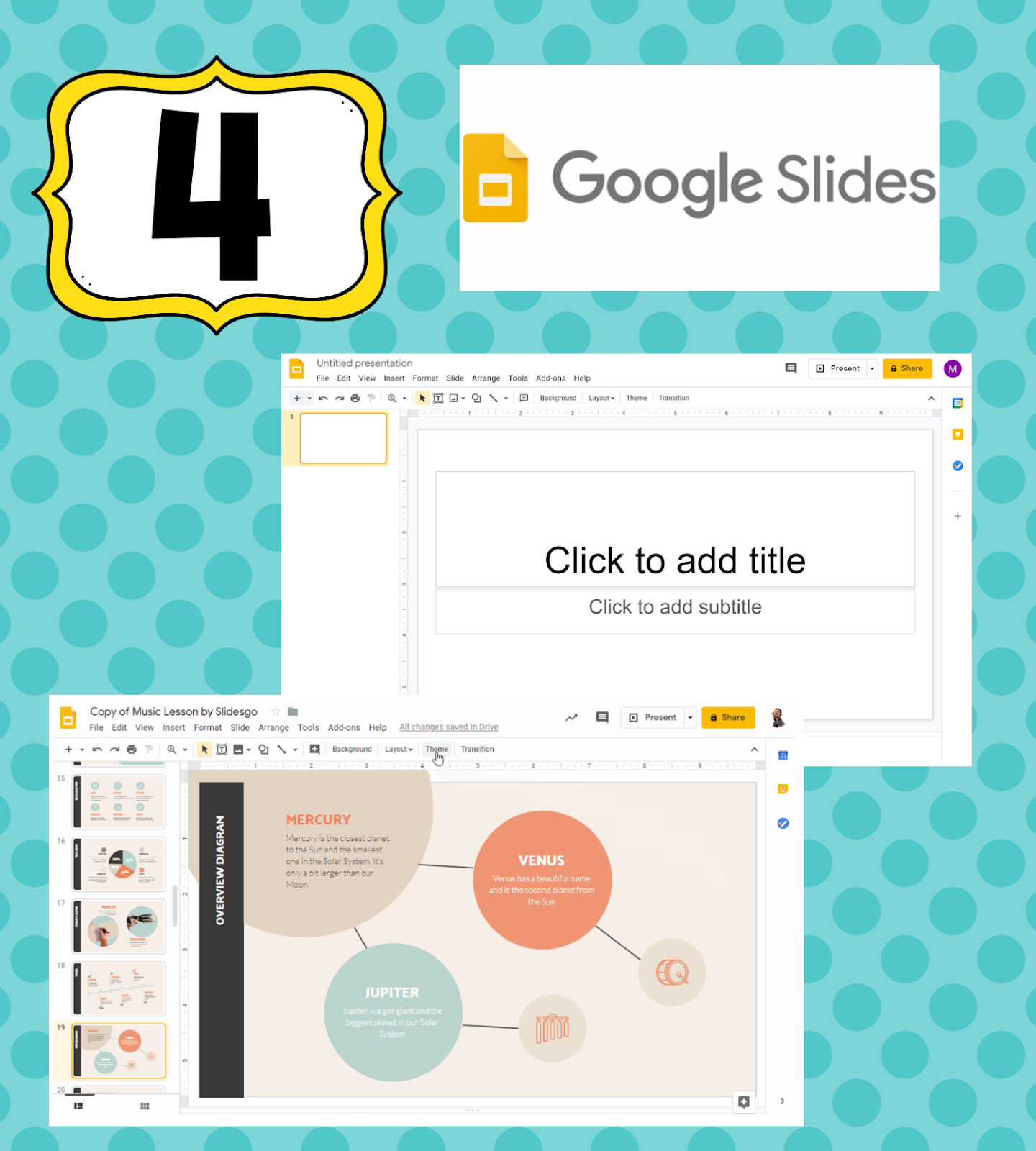
     The next app on the list is Google Slides. This app is wonderful for presentations! I love to have my students use slides to create presentations for different topics we are studying. I enjoy seeing their creativity with pictures and writing on the slides. The students love to then share what they learned and created with their classmates. Google Slides are also a great way to have students practice different ELA and Math skills. You can create a document in Power Point and then save them as photos. The photos can then be put in the background of the Google Slides so students can type on top of it. When the pictures are set as the background, students are not able to delete the content that you as the teacher created in the photo. 


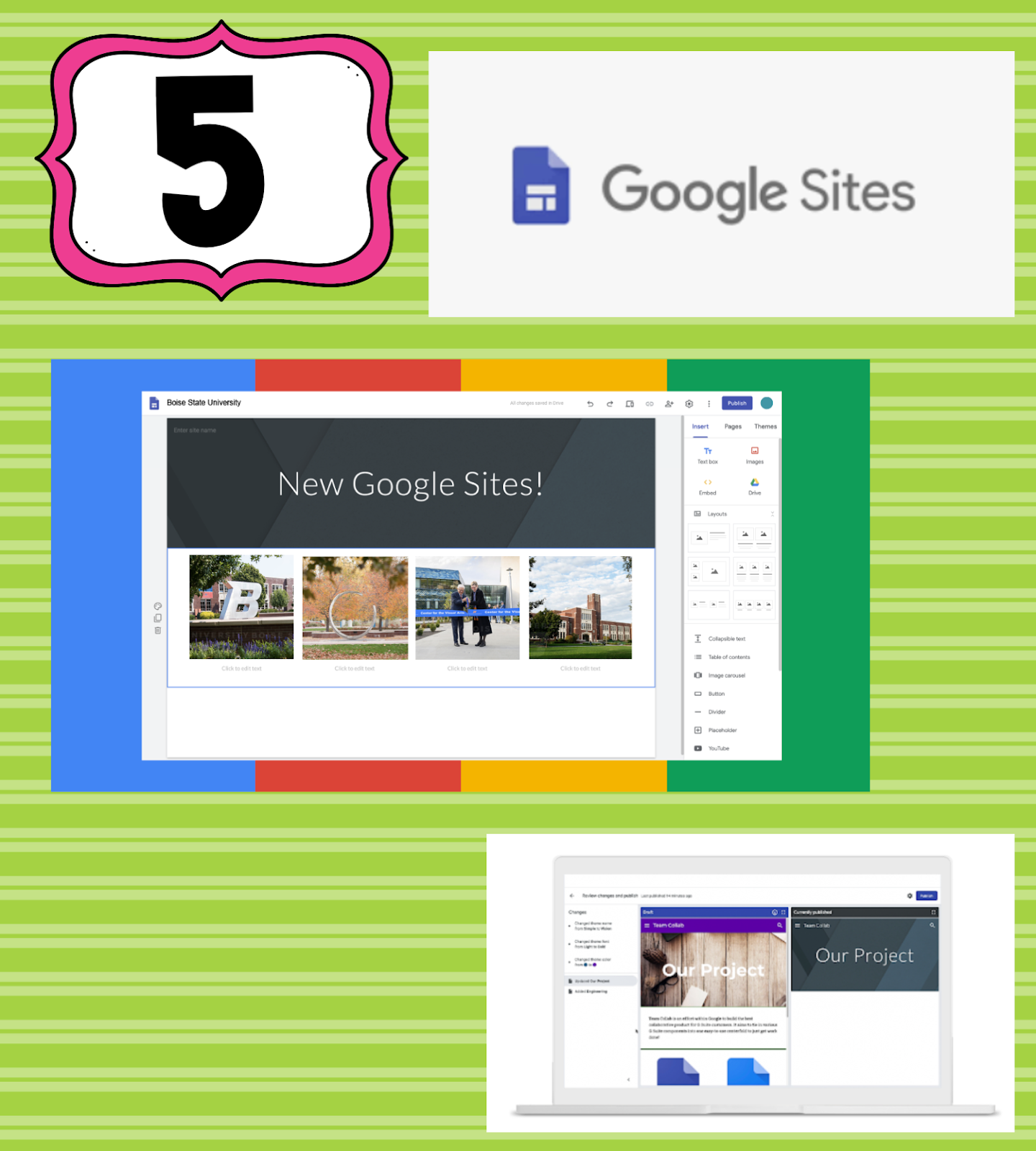
     Next on the list is Google Sites. This app allows you to create a website through the Google Chrome platform. I love to use this as a website for my families! This is the hub of our classroom, and parents or students can always come to this site when they have questions about our class or need to find a detail about something. I have my site published for the public so my families can get to it without being on our school network. I also have a link to it in my email signature so parents can quickly find it. The other thing I love to use Google Sites for is student portfolios. Because students are doing so much work through Google apps, it's easy for them to connect their work to the site. At the start of the year, the students create sections on the site for each subject we do in class. Students then add the work they are proud of to the different sections. As students get older, they can add to the portfolios each year. When they are ready to graduate they have a record of all their work throughout the years. For their portfolios, I leave them as private so only people in our school network can view them. Students can use these portfolios to talk to their parents about their learning at our student led conferences. 


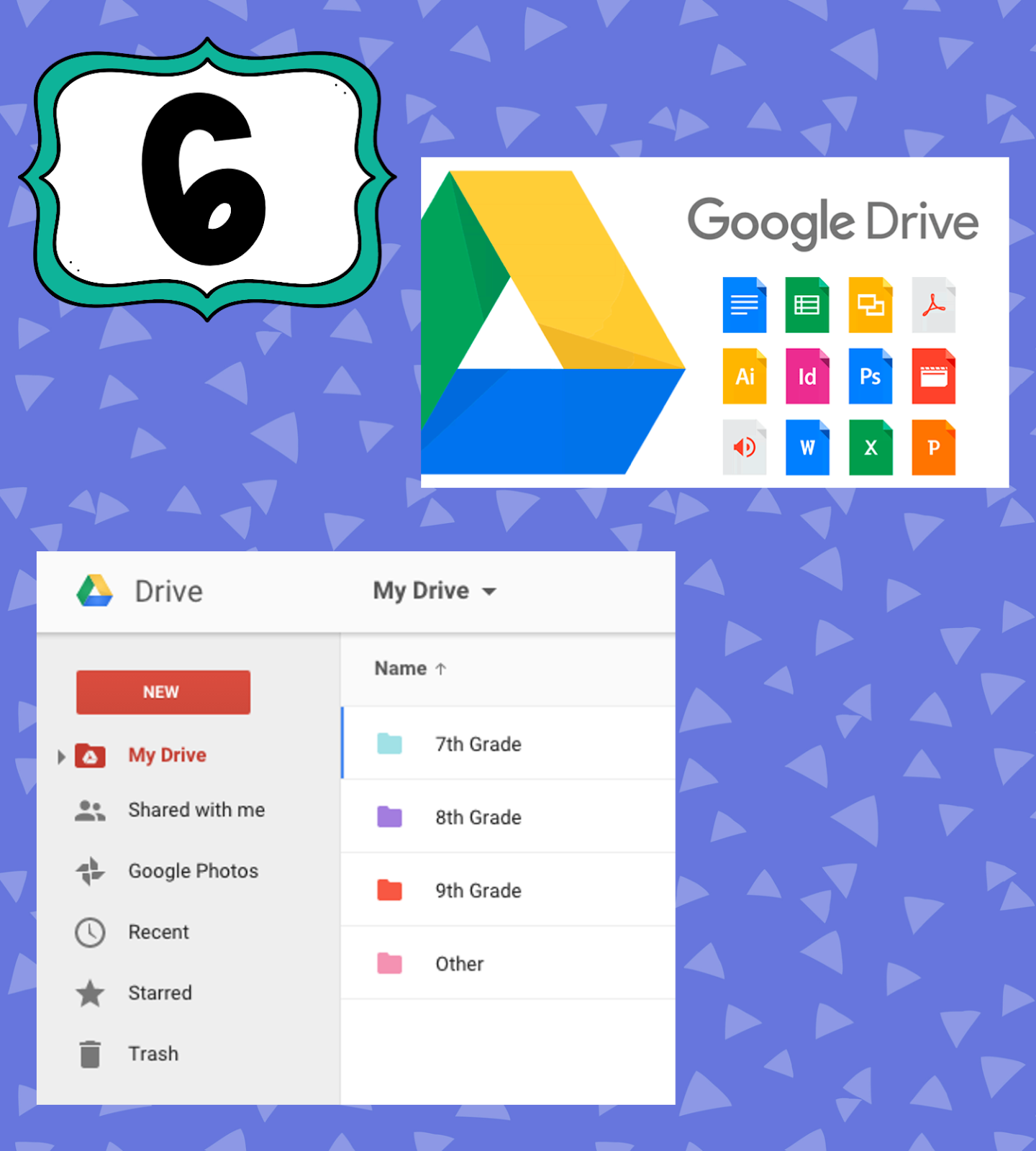
     The last Google app on the list is probably the most important of all the apps. Finally, we are going to talk about Google Drive. Drive is where all of your documents are housed. When you create a document in any of the apps, Google puts it in your Drive. You can also upload any documents to your Drive to keep a backup copy for you. One thing I love about Drive is that when you use Google Classroom and you create an assignment, Drive automatically creates a folder for you to keep all your students' work. The students have a copy in their Drive, and a copy is also made for your Drive. No more losing work for your students! There is always a copy for you. 


     Google apps are a great way to create a digital classroom. Google apps allows you to organize your students work and helps you to organize parent information as well. Google has made it so eady for educators. What Google app are you going to try first? 


Wednesday, June 15, 2022

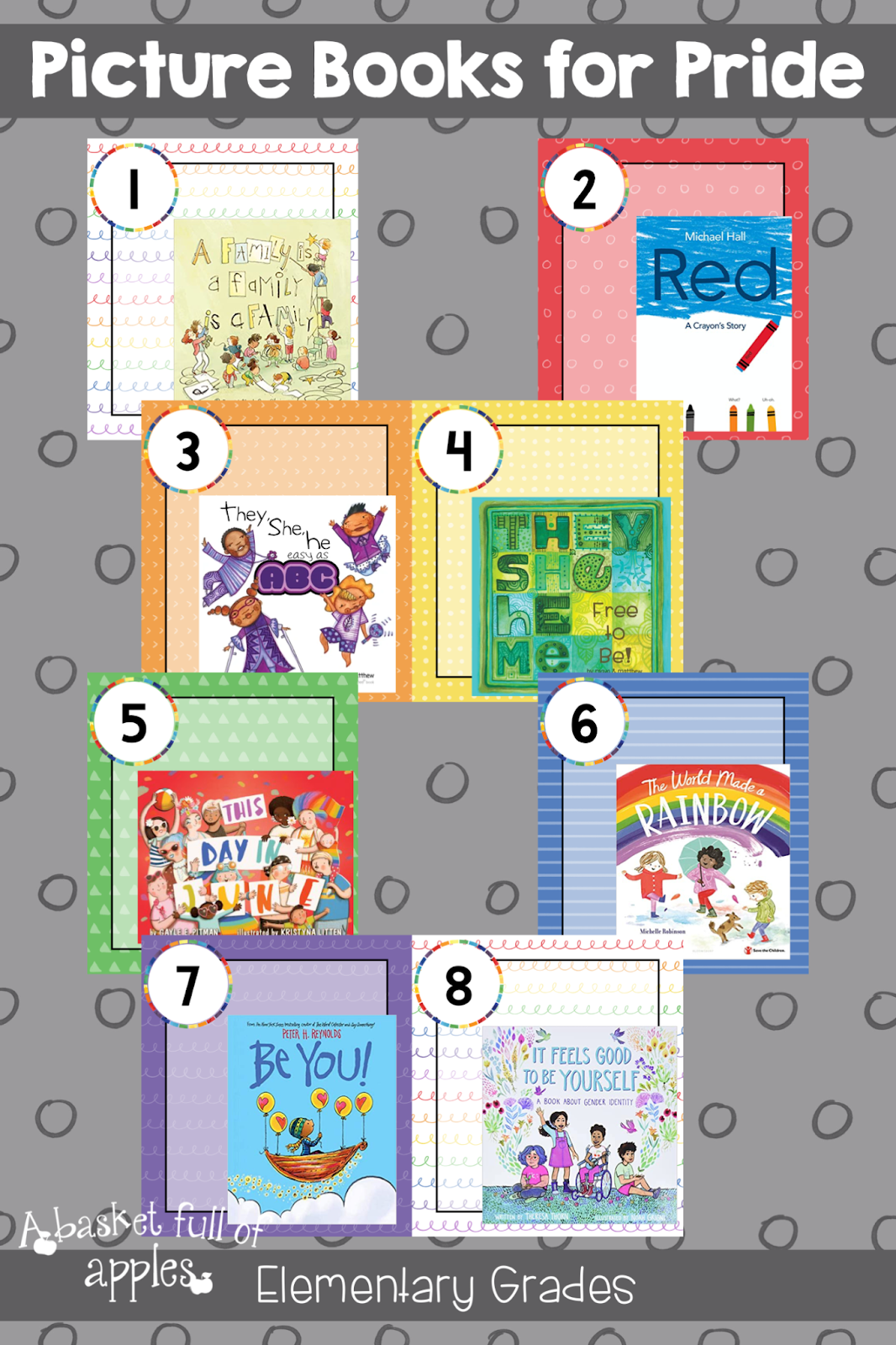
8 Picture Books to Help You Celebrate Pride Month

  June is Pride Month! This is a great time to start helping our students and children have more tolerance towards people. Tolerance is something that we need to be teaching all the time, but I like to put an emphasis on it in the month of June. Picture books are a great way to help our students understand concepts like Pride and tolerance. Today I am going to share my list of favorite picture books for Pride Month. 


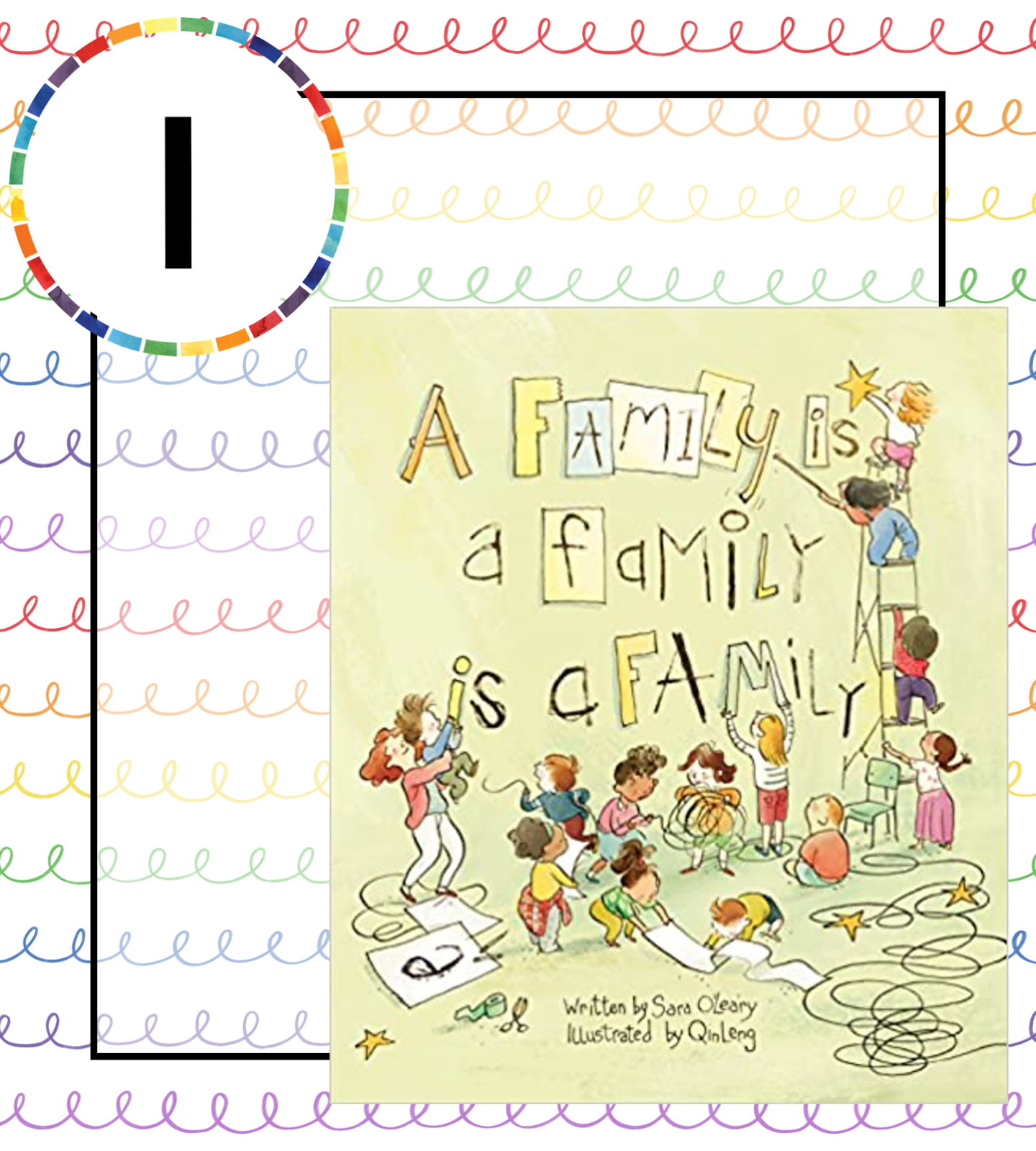
    One of my favorite books is “A Family is a Family is a Family” by Sara O’Leary. This is a great book celebrating all different kinds of families, from two Moms, two Dads, adopted families, etc. I love that it takes place in a classroom and that the students share what is special about their families. 


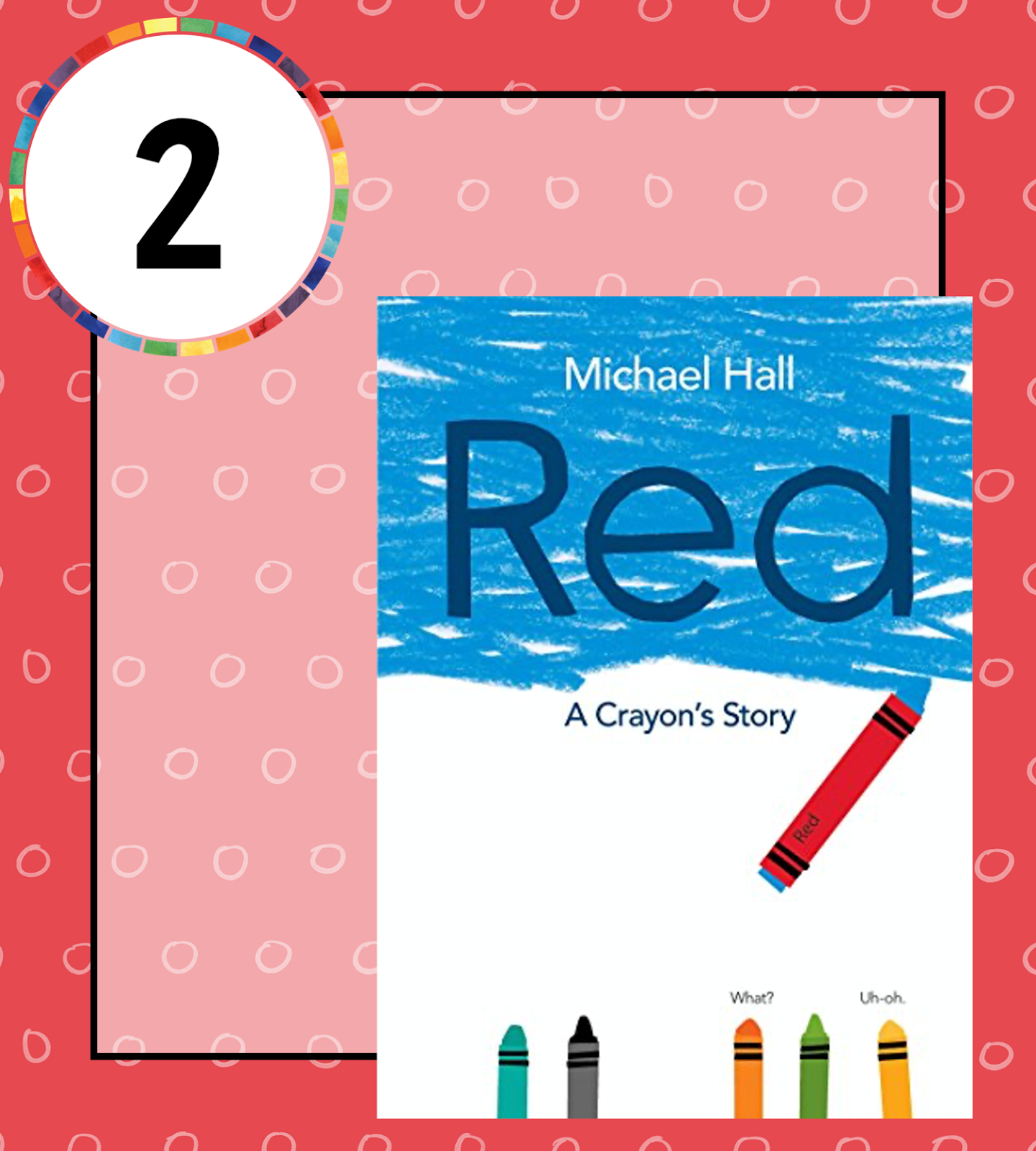
    The next book on my list is “Red a Crayon’s Story” by Michael Hall. In this story a blue crayon gets marked incorrectly as a red crayon. All the other crayons are trying to make the blue crayon color red items but they keep coming out blue. The other crayons try to fix him, until they all learn to embrace his true blue color. I love that this story is written for younger students to understand. 


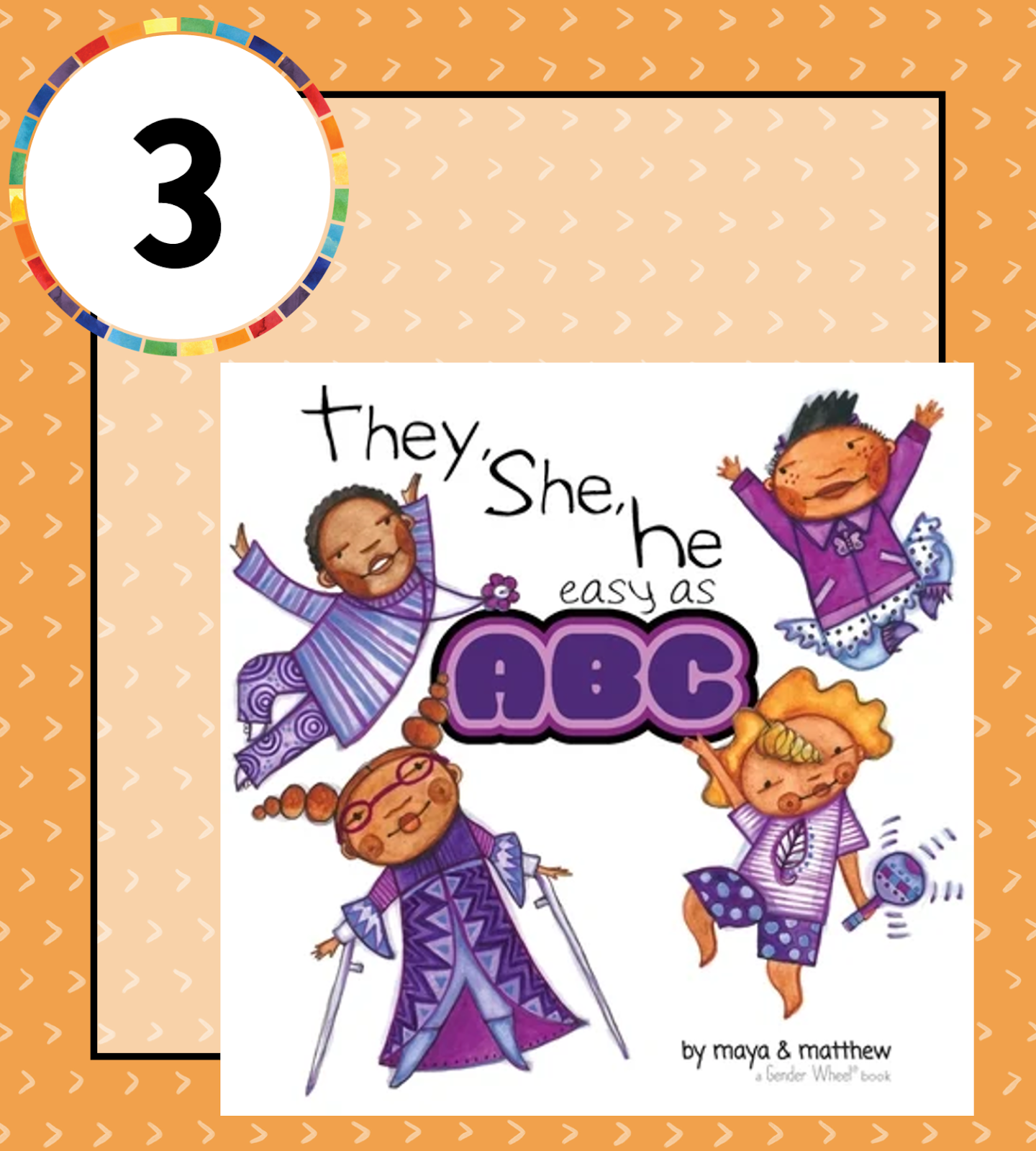
     This is a great book that teaches about pronouns as well as the ABC’s. It is presented in rhyme, which is always fun. This is a perfect book for younger children. This book also helps students understand about gender and gender fluidity. 


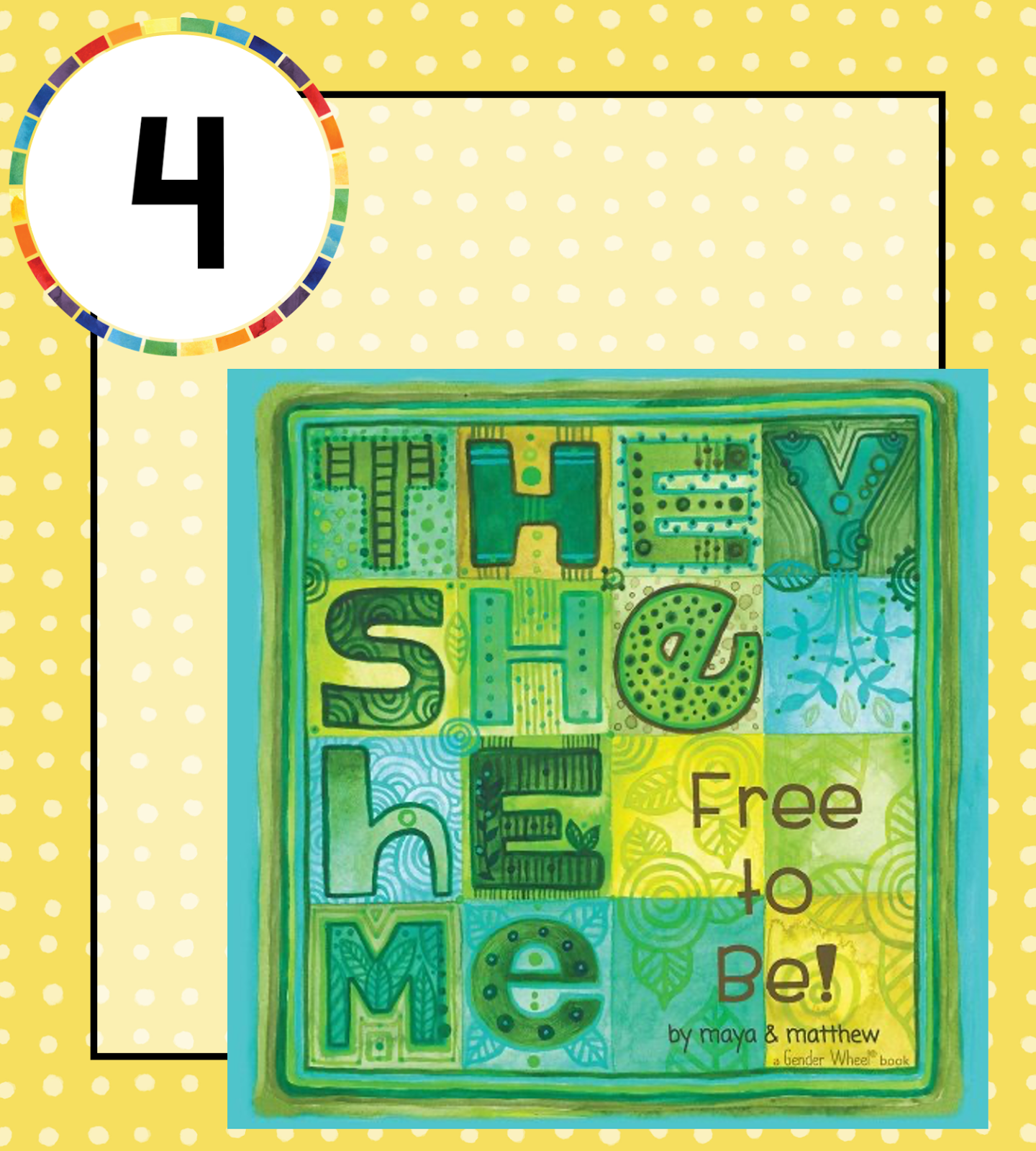
     The next book on the list is “They, She, He, Me Free to Be!” by Maya Christina Gonzalez and Matthew Sg. This book is a follow up to “They, She, He, Easy as ABC,” but it is for a little bit older students. This book helps to open up conversations about pronouns and the pronouns that people choose to use. 


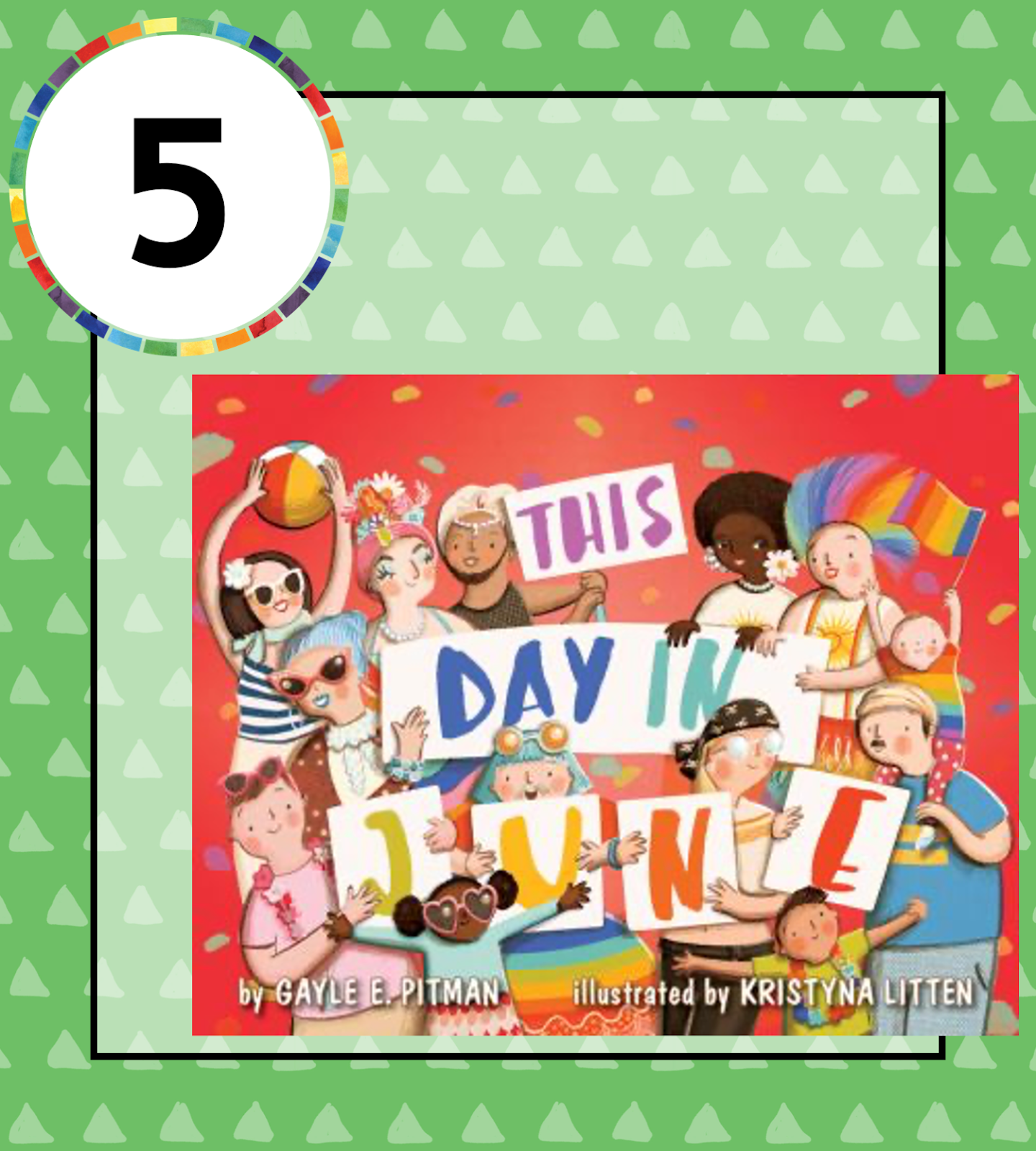
     The next book on the list is “This Day in June” by Gayle E. Pitman. This is a great book written in rhyme with tons of bright colors. This story is about going to the Pride Parade and who is invited to the parade, which is everyone. 


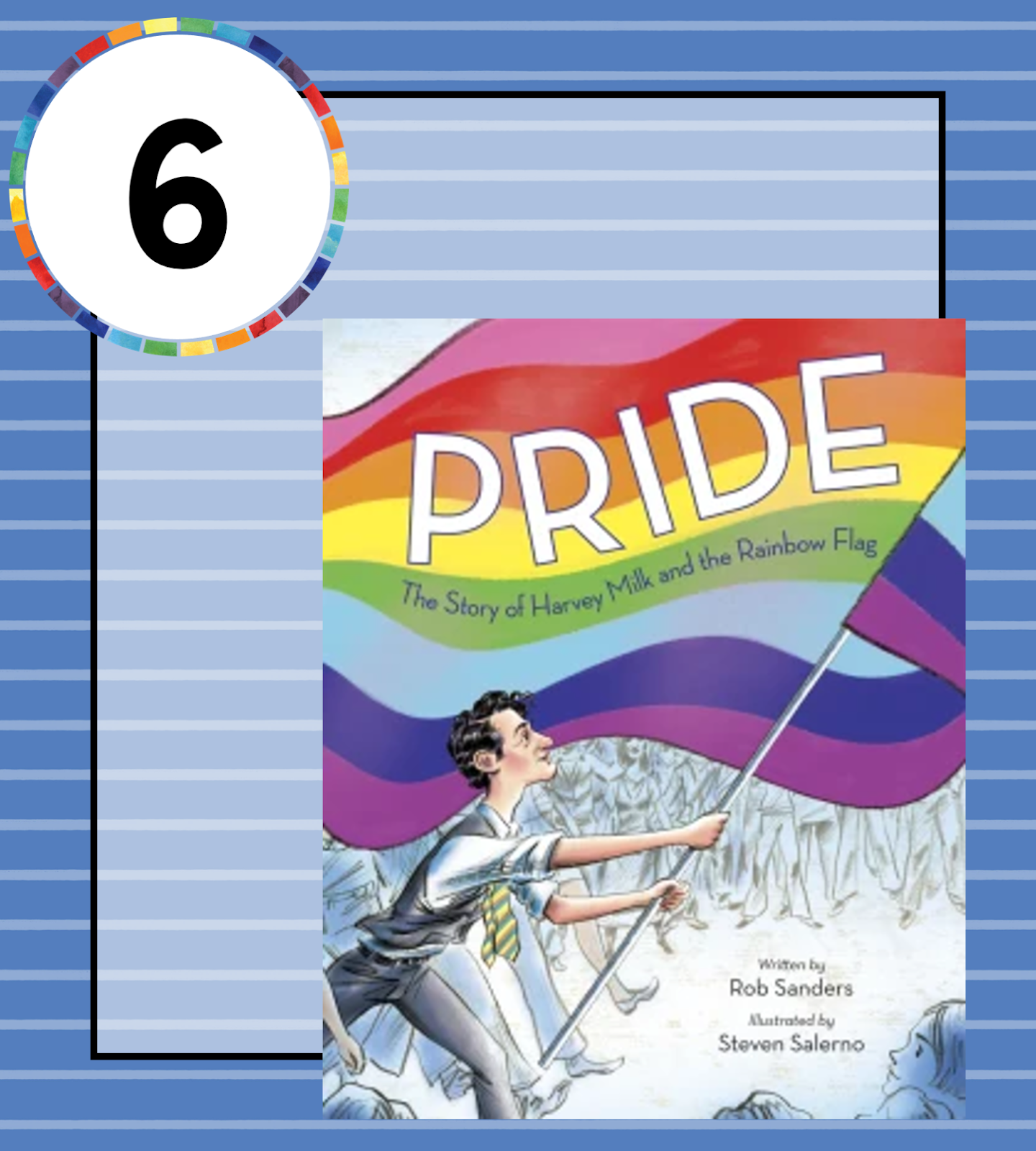
     The next book on the list is “Pride: The story of Harvey Milk and the Rainbow Flag” by Rob Sanders. This book tells the story of Harvey Milk and how the rainbow flag was created, and also shares the role of the flag today. This is a great biography to share with your class. 


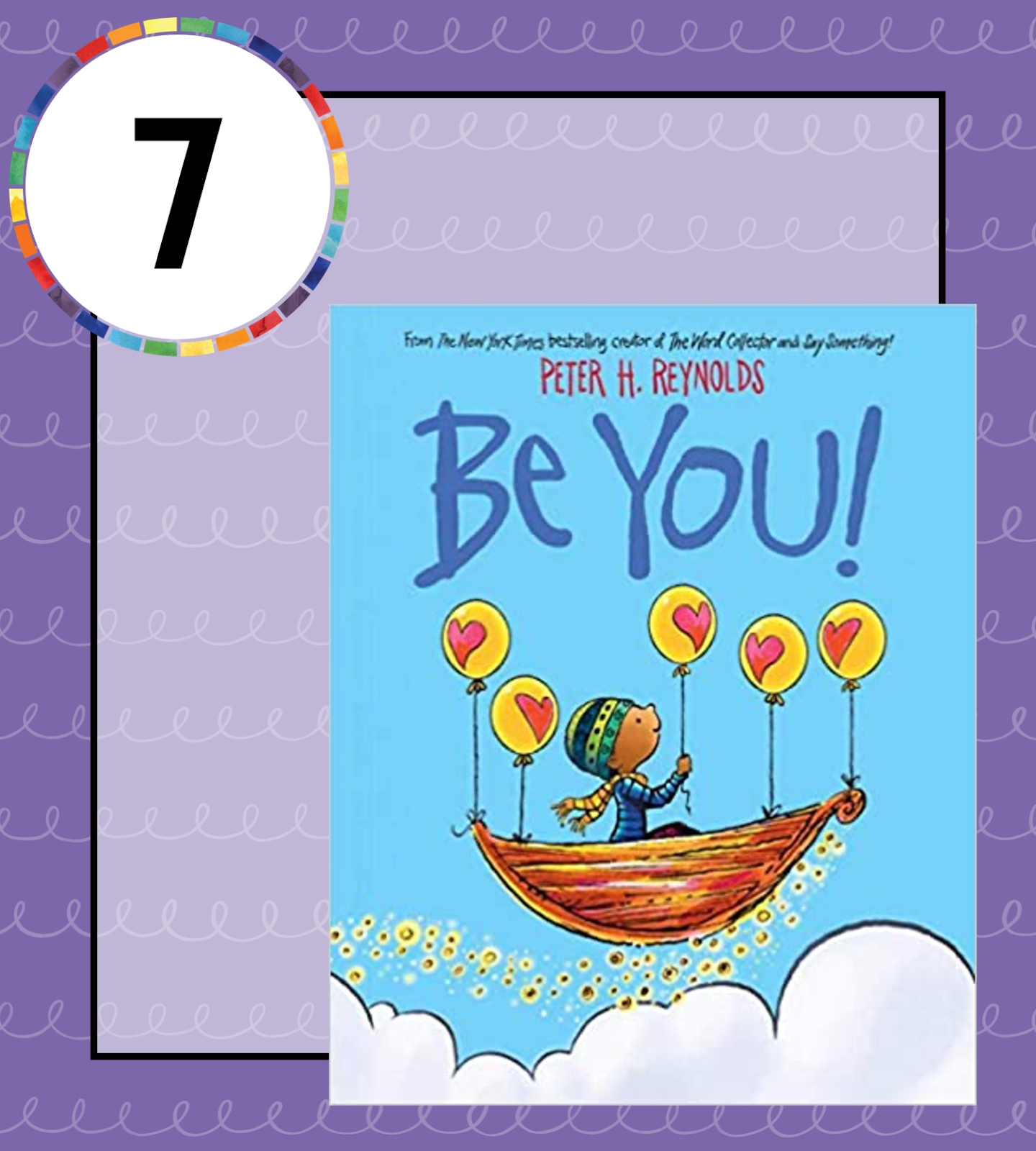
     The next book on the list is “Be You!” By Peter H. Reynolds. This story shares ways children are each uniquely different. It creates a celebration of being you and your individualized self.  This book helps children know that it is ok to be different and to be yourself. 


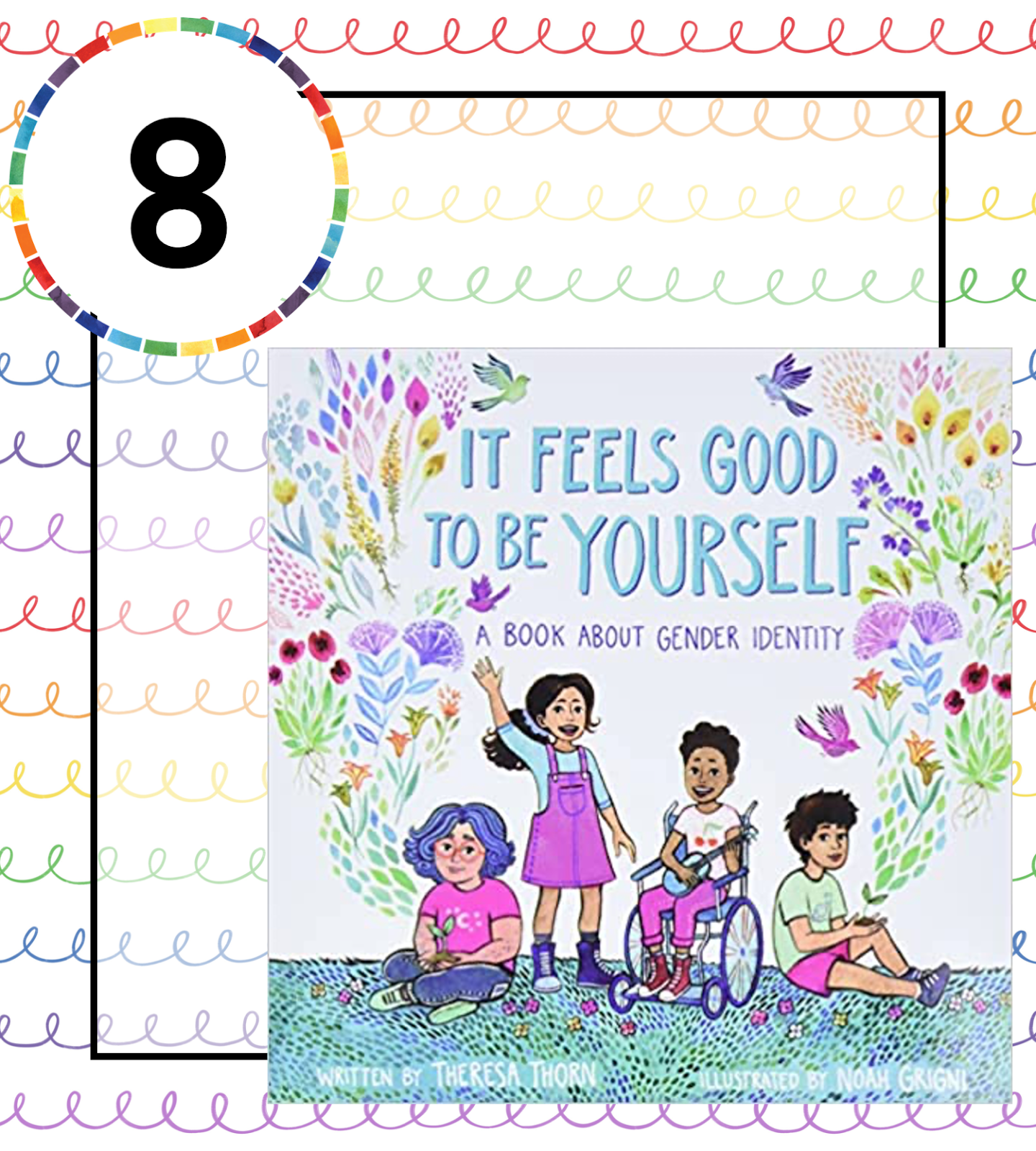
     The last book on the list is “It Feels Good to be Yourself” by Theresa Thorn. This is a great book to introduce gender identity. It helps children understand themselves as well as others. This story is great for younger children, using child friendly vocabulary and bright art that children will love. 


     Pride Month is a wonderful time to introduce great stories to children about gender and being yourself. I love finding opportunities to show my students new books that help them understand difficult concepts. Do you have favorite books for Pride Month that you love to share with your children or students? Share them in the comments. I can’t wait to add new ones to the list!


Wednesday, June 8, 2022

My Top 4 Tips to Run a Student Led Open House

Open House is a time to show off your students and the work that they are accomplishing. The best way to do this is by having your students lead the Open House. Students love taking the responsibility for the event! They really enjoy touring their parents around the classroom, and they are always so proud to show off all the amazing work they have been doing. Here are a few things to put into place to make the event a success:


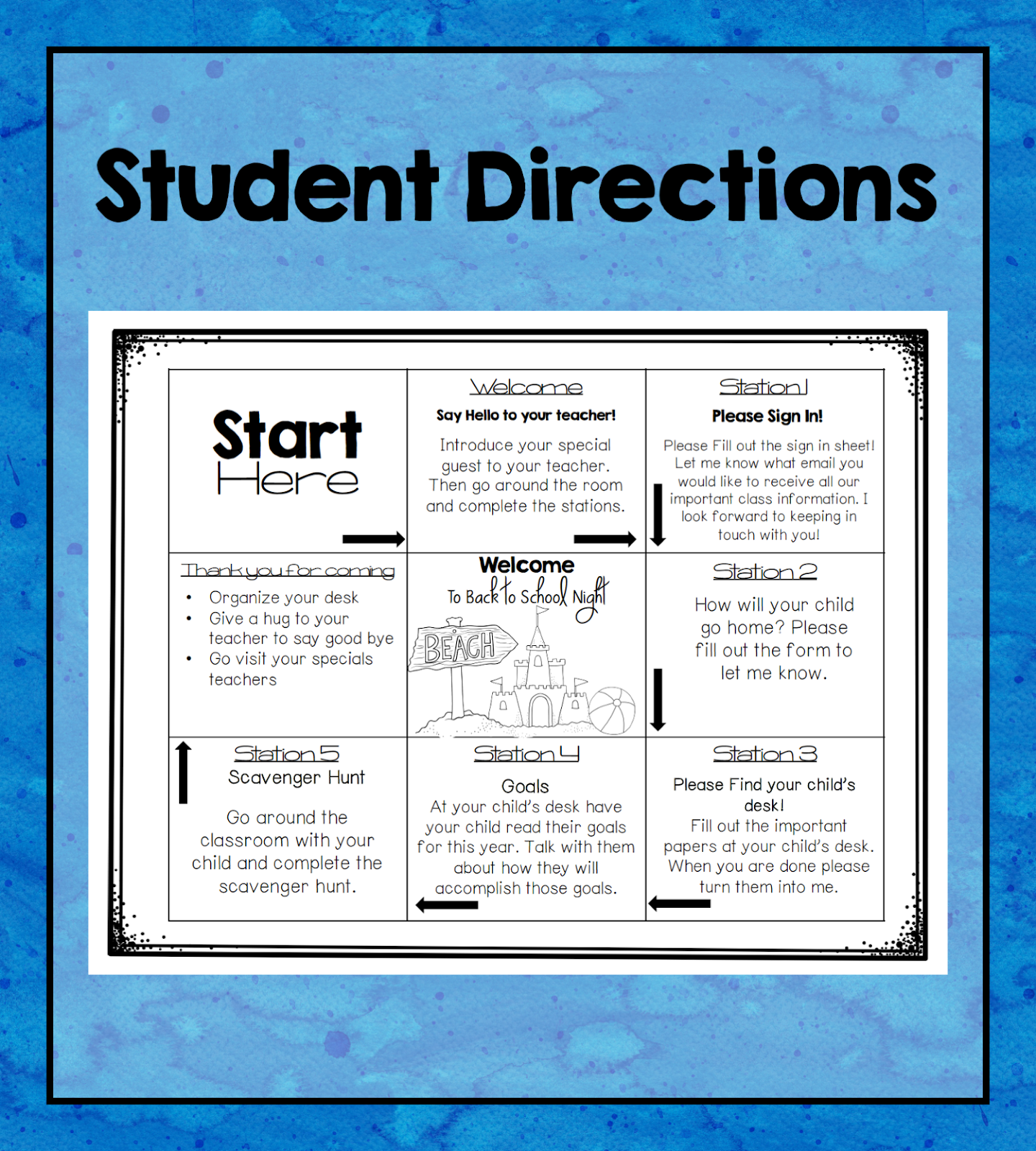
    The first thing that I always do for our student-led open house is to create a sheet of student directions. This can be a checkoff sheet for students to go through, or a graphic for students to use. The student directions help the students take ownership of the event. I love having my students help come up with the steps they should take. This is another way that students take ownership and helps them remember the order to do things. 


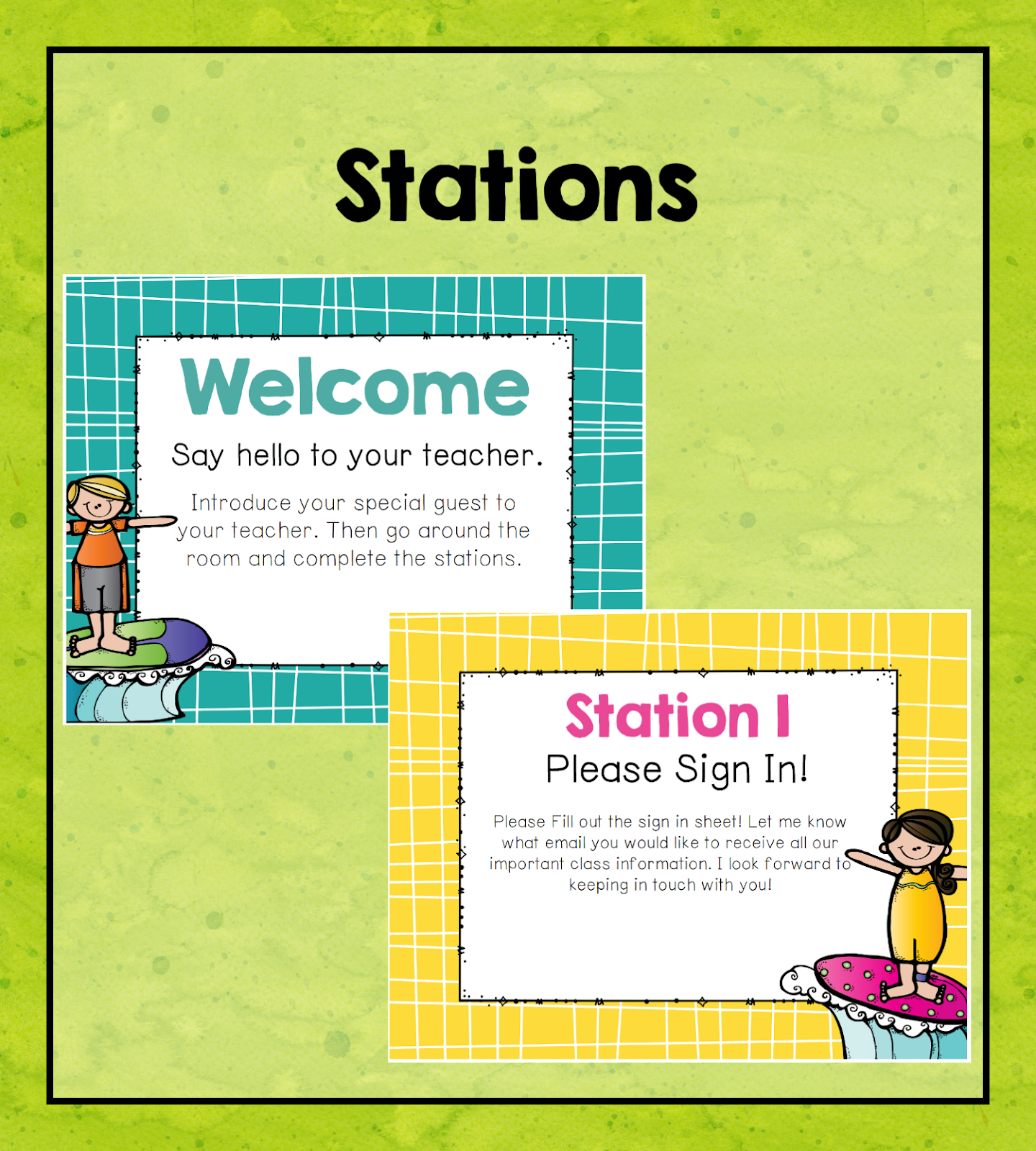
    The next thing that is important to do for a student-led open house is to have stations set up for your students. Stations are a great way to help students know the order to do things at the event, and they enjoy helping create the list of stations. The stations can be placed around the classroom at different tables. You can have students show their work and projects that they are doing, or you can even have the students do an activity with their parents and family while they are at the Open House. 


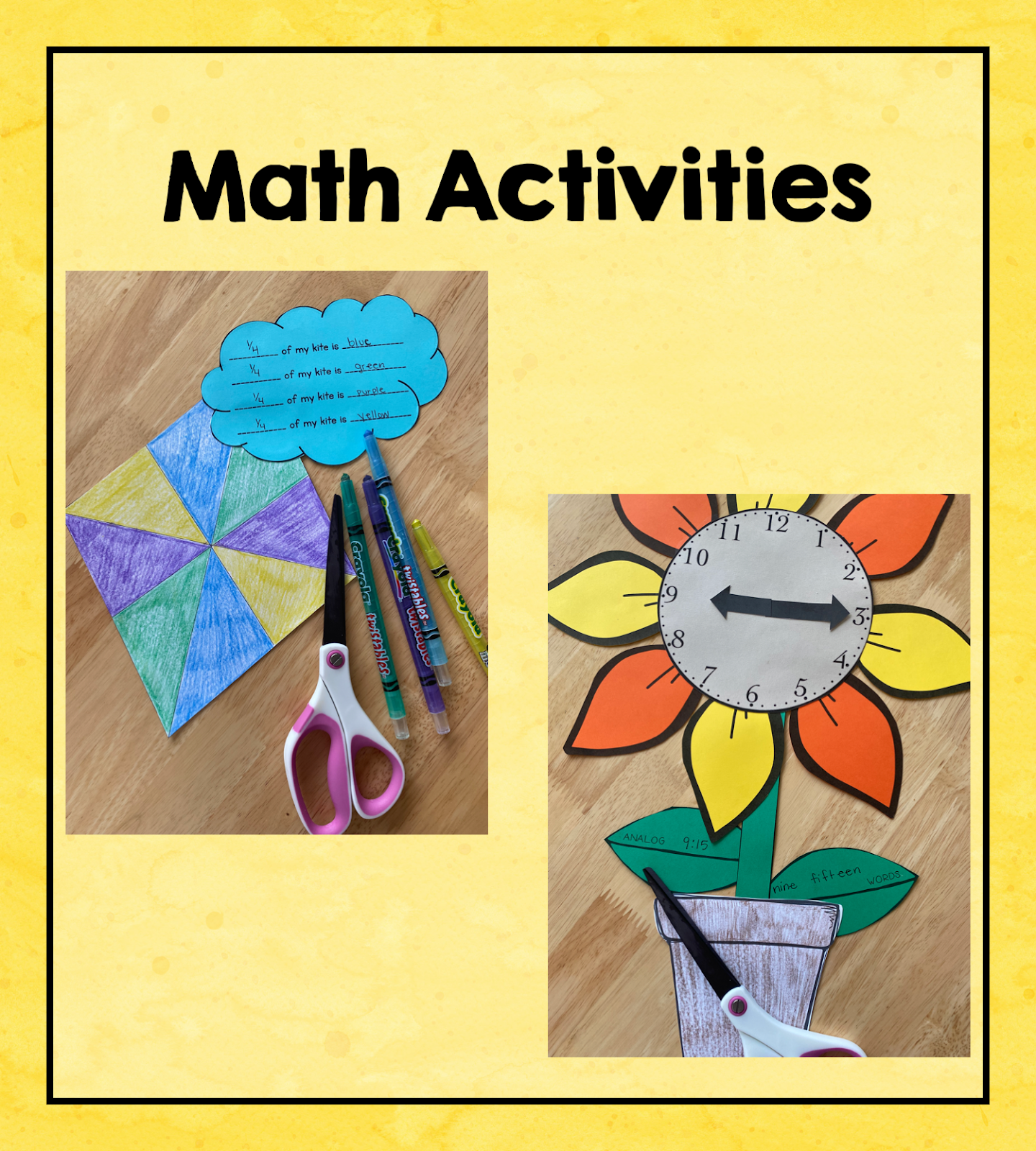
    Open House is a time to display all your student's work. One content area that is exciting to show are math activities. I love to show crafts that display concepts in math that students are learning. Crafts are a great way to have students share their learning, and Math crafts are also a great activity to have students do with their families at the open house. 


    The last type of work that I love to display in the classroom for open house is language arts work. This is another content area that goes well with crafts. I love to have my students complete a writing activity and then do a craft that goes along with the writing. This is great to display in the classroom and students love to show off the writing that they have done to their parents. Crafts that display grammar skills are another great way to display students' work. 


    Open house is a fun school event that lets others see all the great work your students are doing! Doing a student-led open house is a great way for your students to share their work. It is also a great way for your students to take great responsibility in their learning. Your students will love to take their families around the classroom and show them everything they have learned.


Wednesday, November 3, 2021

How to Start a Tidy Up Time in Your Classroom in 4 Easy Steps

Do you have a hard time getting your students to clean up the classroom at the end of the day? Are you doing all the clean-up after your students leave the classroom? Your students need to be helping. They need to be responsible for the mess that they make and help clean it up. The classroom is their space just as much as it is yours. Make your clean-up time quick and fun by making your students excited to clean up at the end of the day!


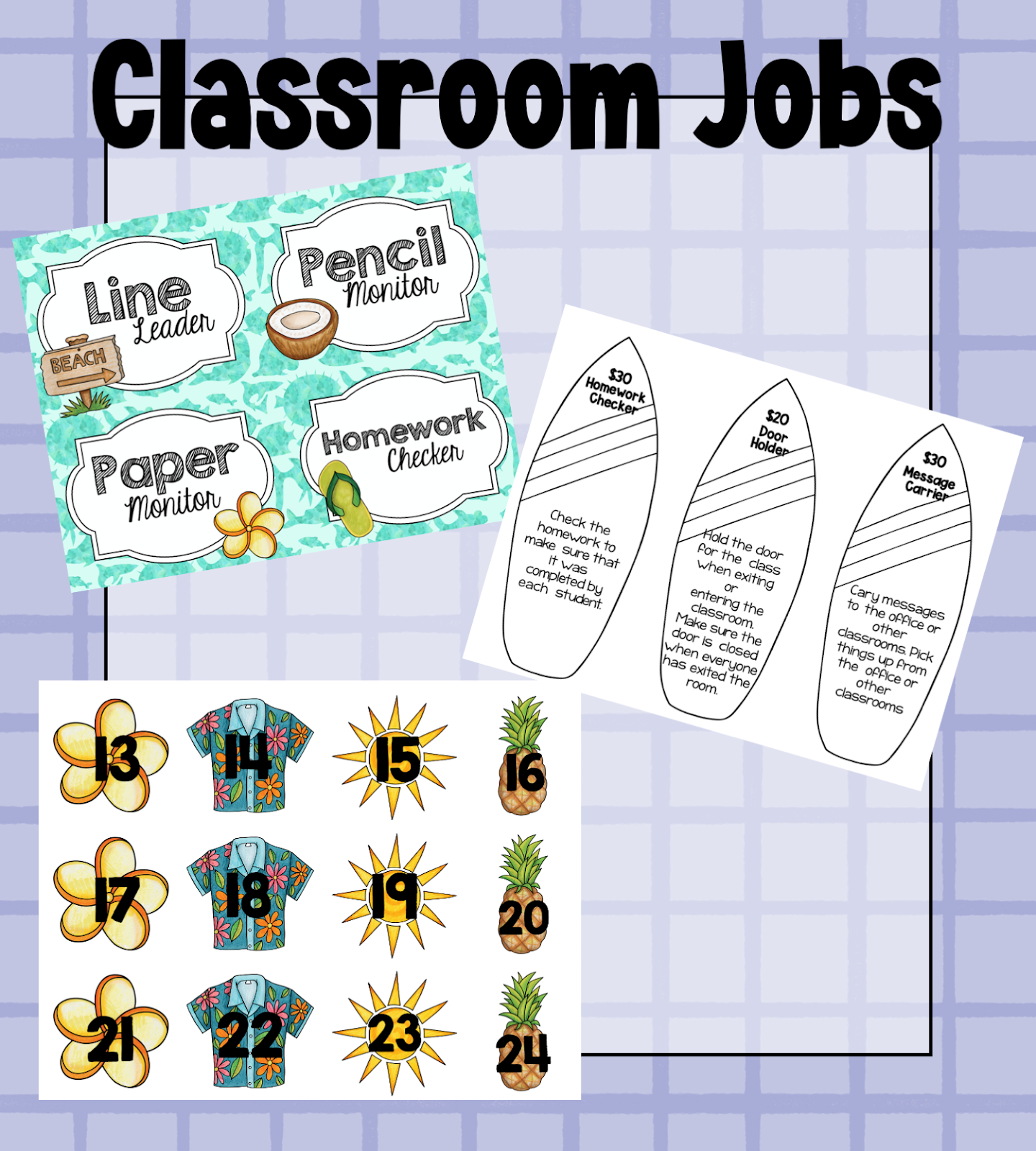
    One of the first things that I do at the start of the school year is have my students apply for classroom jobs. Having my students apply for their jobs makes them more excited about the job because they are doing what they want to do, and they are also more responsible for the job. I have the students pick the job they want and tell me why they think they will be good at the job. I love seeing them get excited and having them remind me when it’s time to do their job. Another thing that I do is give my students pay for the job that they are completing. They can then use the money that they have earned at the end of the week or the month to buy rewards. I use classroom privileges for them to purchase. This way nothing is coming out of my pocket, but you could also use little prizes from the dollar store if you like. 


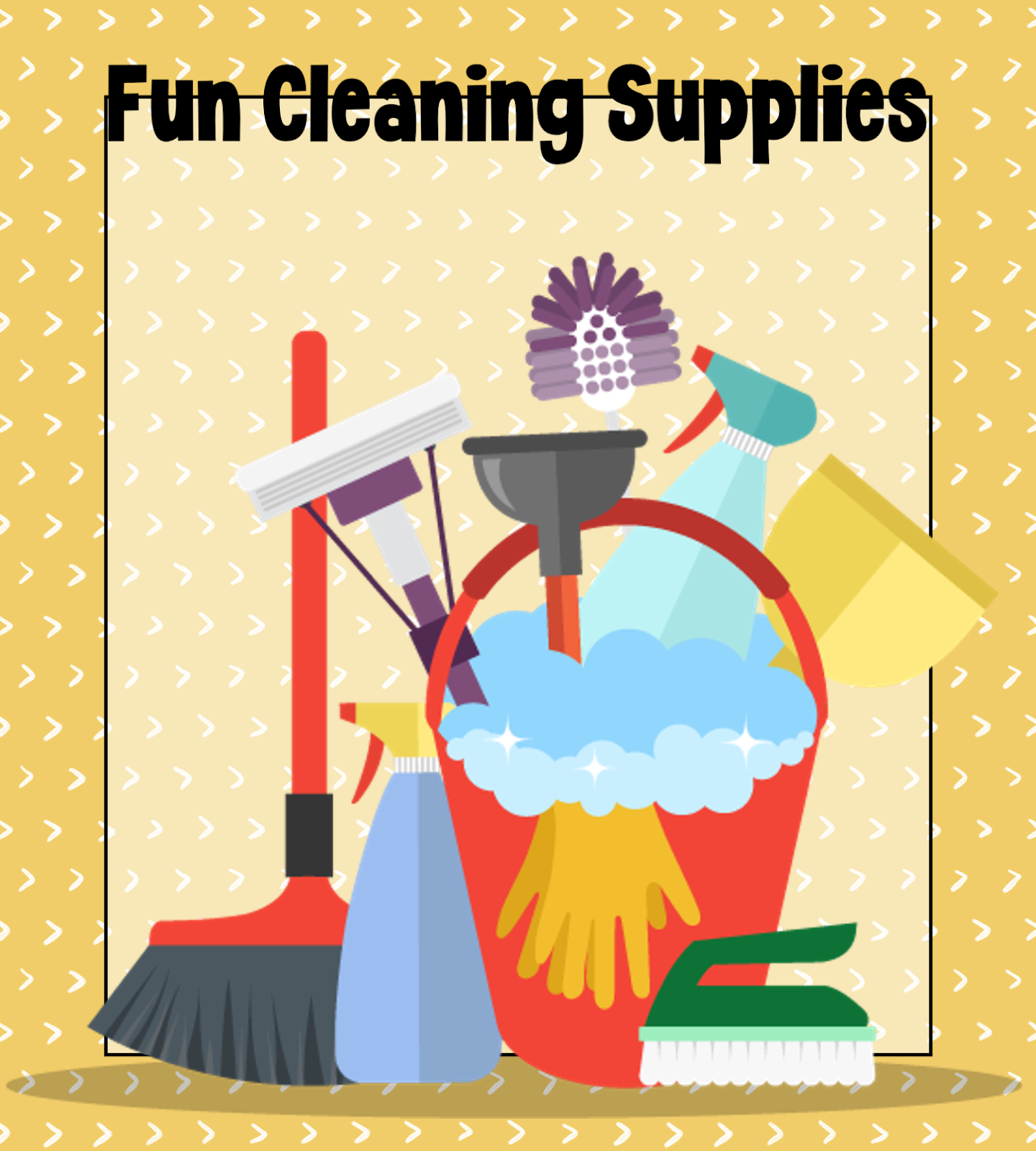
    Now that you have your jobs all set for your students, it is time to get your supplies. I make sure that I have tons of fun supplies for my students to use. They love to sweep and use the dustpan. I even have a small battery-operated vacuum for the students to use on our rug. This is one of their favorite supplies to use. I like to have a few of each supply so students are not fighting over them. Go through your classroom and as you are cleaning up for the first day of school think about all the supplies you used to clean up, then go out and get those supplies for your students. Another thing that I always have my students do at the start of our tidy-up time is use a wet wipe to clean off their desk and sanitize their area. This makes their desk ready for the next day. You could also have your students clean out the inside of their desk during this time. I usually have them do this on Fridays so their desk is ready for a new week. 


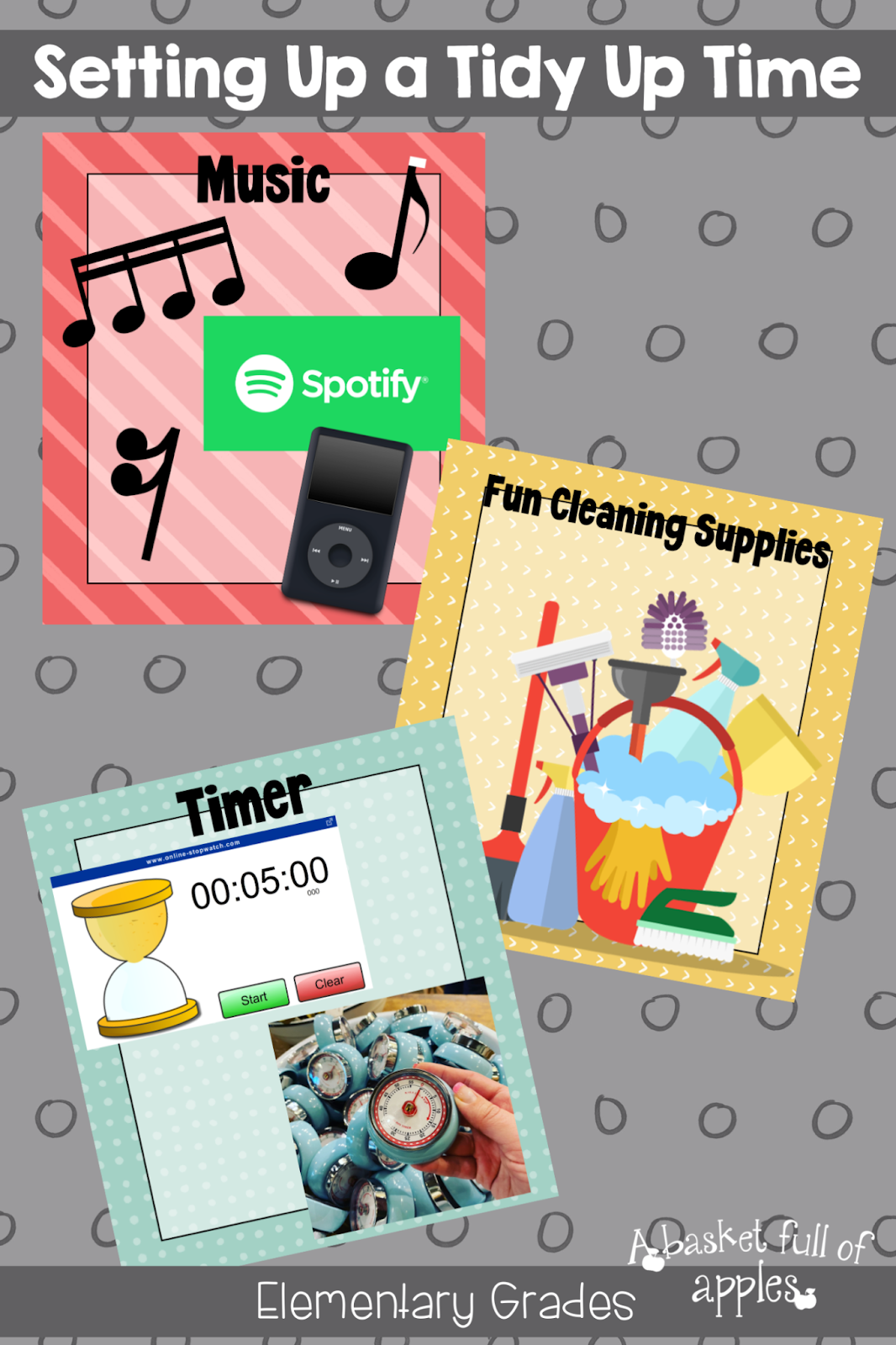
    The next thing that I love to do for our tidy-up time is have music playing. We make it a full on dance party. We turn up the music and have tons of fun while we clean up. At the start of the year I have a playlist ready to go with kid friendly fun songs. As the year goes on my students start to share songs with me to add to the list. If it is a song I have not heard of, I always make sure I listen to it first to make sure it is appropriate. 

    I have a bluetooth speaker and an MP3 player or my phone set up in the classroom to play our music. I use music throughout different parts of the day in our classroom. I love to have a Spotify playlist or Apple Music playlist set up with all the perfect music for our tidy-up time. I just connect my music device to our speaker and the kids get to enjoy the music. 


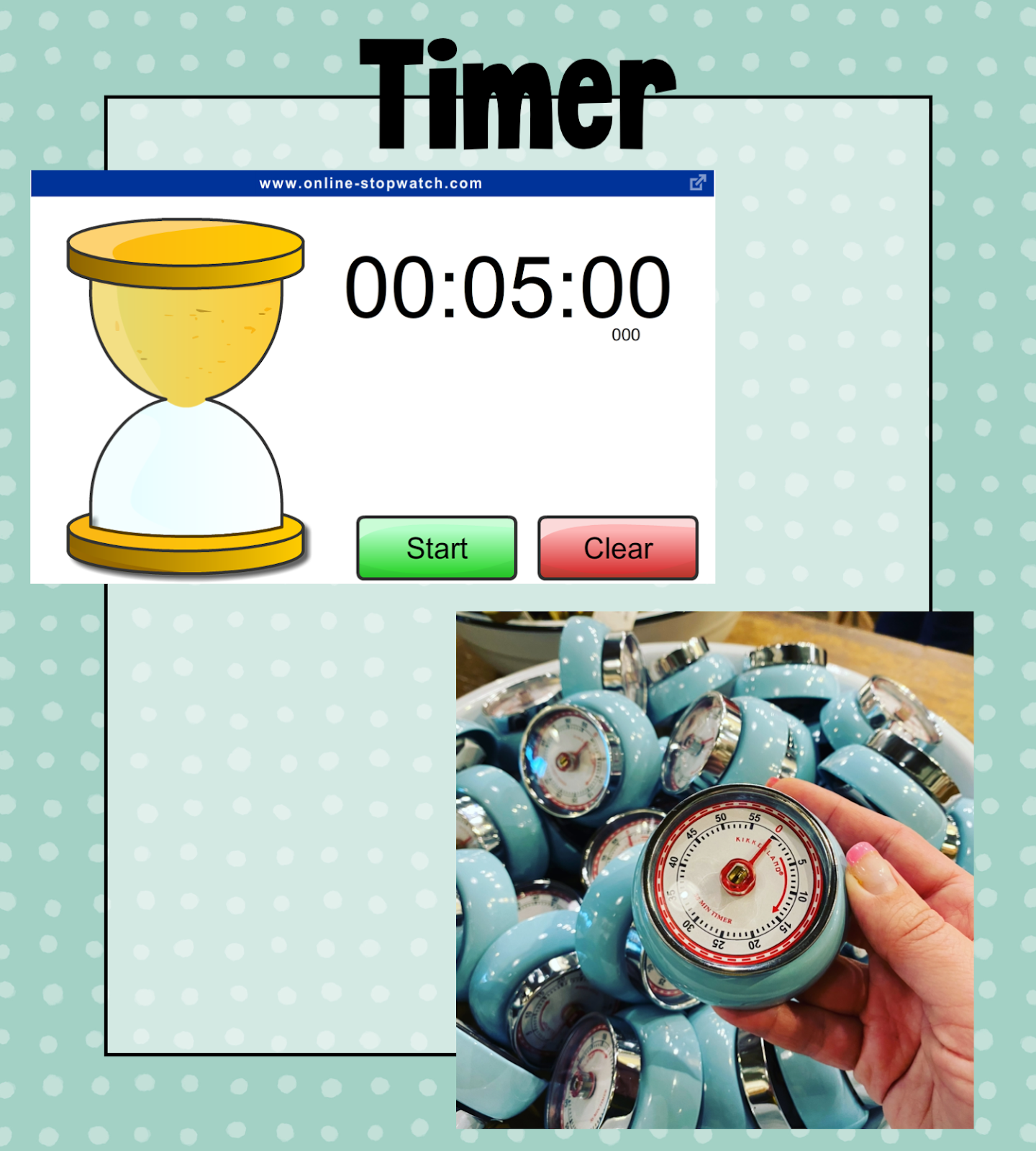
    The next thing that is so important to have during your tidy-up time is a timer. Using a timer keeps your students on track with their clean-up time. I usually only give my students 5 to 7 minutes to clean up at the end of the day. That is the sweet spot with clean-up. Your students stay on task and the playing around doesn’t normally start. If a student is not being safe, I have them go back and sit at their desk and wait for our dismissal time. I like to have a timer running through our projector so the kids can see the time and they love to yell out how much time is left before it is time for dismissal. You can also use a small digital or cooking timer at your desk or up on the board but then it is harder for the students to take over this task. 


    Having a tidy-up time has really helped my classroom be clean at the end of the day. It has helped me to not have to do all the cleanup on my own. Now there are always times that I have to do a quick touch up after my students leave but the majority of the clean-up is done. Now I can spend my time setting up for the next day and get out at a decent time instead of spending all my time cleaning. Let me know if you are going to give tidy-up time a try!


LinkWithin

Related Posts Plugin for WordPress, Blogger...