Image Map

Wednesday, September 3, 2025

6 Creative Ways to Use Google Apps in Your Elementary Classroom

Technology has transformed the modern classroom, and Google’s suite of free tools—Google Apps for Education—has become a staple for many teachers. With a bit of creativity, Google Apps can do more than streamline your paperwork; they can open up new ways for your students to learn, create, and collaborate. Whether you teach 1st grade or 5th grade, there are meaningful, age-appropriate ways to integrate Google Docs, Slides, Sheets, Forms, Jamboard, and Google Classroom into your daily lessons.

In this post, we’ll explore over a dozen ideas to help you make the most of Google Apps in your elementary classroom. These ideas are designed to build critical thinking, creativity, communication, and collaboration—while keeping learning fun and manageable for younger students.


1. Google Docs for Shared Writing and Peer Editing

Collaborative storytelling:
Set up a Google Doc for small groups to co-write a story. You can give them a prompt (like “A dragon visits our school”) and assign each student to write a paragraph or dialogue. The “comment” feature is great for gentle peer editing.

Class newsletter:
Have students contribute articles, jokes, artwork, or book reviews to a shared Google Doc that becomes your monthly class newsletter. You can format it together, then share it with parents.

Writing conferences:
Use Google Docs to provide direct feedback. Leave comments on students’ drafts so they can revise their work. You can also teach them how to use “suggesting mode” so they learn to give constructive feedback to peers.


2. Google Slides for Presentations & Portfolios

Animal or state reports:
Assign students to create a short Google Slides presentation on an animal, state, or historical figure. They can add text, pictures, and even embed a short video or a voice recording.

Digital portfolios:
Throughout the year, have students add samples of their work, reflections, and photos of projects to a personal Google Slides portfolio. By the end of the year, they’ll have a keepsake to show their growth.

Interactive stories:
Let students create a “choose your own adventure” story in Slides by linking buttons to different slides. This builds both writing and tech skills.


3. Google Sheets for Early Data & Math Activities

Graphing class data:
Create a simple survey in Google Forms (like favorite ice cream flavor), then have Sheets generate charts. This is a fun way to teach graph reading and interpreting data.

Math fact trackers:
Use Sheets to set up a basic math facts progress tracker. Students can color cells to show mastery of addition, subtraction, multiplication, or division facts.

Calendar math:
Older students can use Sheets to build a digital calendar. Challenge them to use simple formulas to calculate dates or count down to holidays.


4. Google Forms for Quick Assessments & Surveys

Reading logs:
Have students complete a quick Google Form each time they finish a book, recording the title, author, and a one-sentence summary. You’ll get an organized spreadsheet of their reading.

Exit tickets:
At the end of a lesson, students can fill out a Google Form answering questions like: “What did you learn today?” or “What was confusing?” This gives you instant feedback.

Class voting:
Use Forms for simple polls—like choosing a class reward, a book to read next, or a spirit day theme. It teaches democratic decision-making and data collection.


5. Google Classroom for Organization & Communication

Homework hub:
Post homework assignments, reminders, and links to resources in Google Classroom. Parents appreciate having a one-stop shop for class updates.

Digital turn-in:
Students can upload photos of their math work or submit writing assignments directly in Classroom. It cuts down on lost papers and gives you a digital record.

Morning messages:
Use the stream in Classroom to post daily greetings or fun discussion questions. Students can reply and start their day engaged.


6. Collaborative Projects Across Apps

Research projects:
Students can gather notes in a shared Google Doc, organize data in Sheets, then present in Slides. Using multiple Google tools shows them how different types of digital tools work together.

Class books:
Have each student create one slide in a shared Slides deck (for example, “My favorite animal”) that becomes a class e-book you can present or print.

Virtual pen pals:
Connect with another class (even in your own school). Use Docs to write letters, Slides to create photo scrapbooks, or Forms to send fun quizzes to your buddy class.

Final Thoughts

Integrating Google Apps doesn’t have to mean screens all day. It’s about using technology intentionally to boost creativity, collaboration, and critical thinking. By starting small—perhaps with a class story in Google Docs or a math graph in Sheets—you’ll see how quickly your students become confident digital creators. Over time, they’ll develop skills that go far beyond keyboarding or formatting—they’ll learn to research, analyze, create, and communicate effectively, setting them up for lifelong learning.

So the next time you open your lesson plan book, think about how you might layer in a Google App. You’ll likely find it makes learning more engaging and your teaching more efficient—and it can even lighten your paper load. Happy teaching!


Wednesday, August 6, 2025

8 Steps to Organizing Your Classroom and Keeping it that Way All Year Long

The first day of school is filled with excitement, anticipation, and—let’s be honest—a little chaos. With fresh supplies, a new class roster, and an empty room full of possibilities, it’s the perfect time to set the tone for the entire year. As elementary teachers, we know how quickly things can spiral if systems aren’t in place. That’s why strong classroom organization isn't just about aesthetics—it's about creating a learning environment where students can thrive and teachers can stay sane.

In this blog post, we’ll explore strategies and practical ideas for organizing your classroom before the first bell rings and maintaining that organization through the hustle and bustle of the school year. Whether you're a first-year teacher or a seasoned pro looking for new tricks, these tips will help you create a classroom that runs like a well-oiled machine.


1. Start With a Clear Vision

Before placing a single pencil in a caddy or arranging desks, step back and ask yourself:

  • What do I want my classroom to feel like?

  • How do I want students to move and interact in this space?

  • What routines will we use daily, and how can the space support them?

Having a clear vision will guide every decision, from the layout to labeling systems. Create zones based on student needs: whole-group instruction, small-group activities, independent work, storage, and quiet reading corners.


2. Classroom Layout and Furniture Placement

a. Maximize Movement and Flow

Arrange desks and furniture to allow easy movement throughout the classroom. Avoid bottlenecks at high-traffic areas like the cubbies, door, and pencil sharpener. Ensure there’s space for line formation and transitions.

b. Define Purposeful Zones

  • Teacher Zone: A small, organized area for your supplies, lesson plans, and technology. Keep only essential items here.

  • Student Supply Zone: A centralized place where students can access communal supplies like glue, crayons, scissors, and tissues.

  • Learning Centers: If you use centers, make them clearly labeled and consistent with materials stored in bins or drawers.

  • Library Corner: A cozy space with bins organized by theme, genre, or reading level. Include soft seating or rugs to invite reading.

3. Storage Systems That Work

a. Label Everything

Labels save time and reduce confusion. Label shelves, cubbies, bins, and drawers using pictures and words, especially for younger grades. Use color-coded systems to organize by subject or group.

b. Clear Bins and Caddies

Transparent bins make it easy to see what’s inside. Use matching bins or caddies to store like items. Group materials by activity (art supplies, math manipulatives, game pieces).

c. Student Supply Storage

Use plastic drawers or pencil boxes labeled with student names for individual supplies. For community supplies, assign table bins and have a routine for restocking.

d. Paper Management

Use vertical trays or wall organizers for copies, homework, permission slips, and graded work. Keep a “Turn In Tray,” “To Be Graded,” and “Send Home” section.


4. Routines to Maintain Organization

The best systems will fall apart without student buy-in and consistency. Teach routines from day one.

a. Model, Practice, Repeat

Show students how to use each space, return items, and clean up. Role-play incorrect and correct behaviors. Repeat regularly until routines become habits.

b. Assign Classroom Jobs

Create jobs related to organization: librarian, supply manager, paper passer, tech helper. Rotate weekly and build student ownership.

c. Build Clean-Up Into the Day

Have set times for quick clean-ups—before lunch, end of the day, or after centers. Play a song and challenge students to clean within the time limit.

d. Teach Supply Responsibility

Let students help restock, sharpen pencils, and organize caddies. Use systems like “dull and sharp” pencil cups or broken crayon bins.


5. Early Finishers and Fast Finishers

Plan for students who finish work early to reduce downtime and clutter.

a. Early Finisher Bins

Stock bins with puzzles, tangrams, drawing books, and vocabulary games. Rotate contents every few weeks.

b. Choice Boards or Task Cards

Laminate boards with options for reading, writing prompts, or math challenges. Keep them in a folder or binder near student desks.


6. Managing Student Paperwork

Paper piles can grow fast—have a plan!

a. Mailboxes

Use cubbies, magazine holders, or a hanging wall file labeled for each student. Send home graded work weekly in a folder.

b. Parent Communication Folders

Use plastic folders for home-school communication. Label pockets: “Keep at Home” and “Return to School.”

c. Absent Work Folders

Designate a folder for students to check after an absence. Assign a student helper to collect and file the work.

7. Bulletin Boards and Wall Space

Make wall displays work for you.

a. Anchor Chart Wall

Rotate anchor charts based on current units. Use clothespins, binder rings, or hooks for easy swapping.

b. Interactive Boards

Use Velcro or dry-erase pockets to create interactive displays like calendar activities, word walls, or math vocabulary.

c. Student Work Displays

Designate a board for student work. Use clothespins, washi tape, or sheet protectors for quick updates. Change monthly to celebrate growth.

8. Favorite Tools for Classroom Organization

Here are a few go-to tools teachers swear by:

  • Plastic drawer towers

  • Stackable bins with lids

  • Label makers or printable labels

  • Command hooks and Velcro strips

  • Dry-erase clipboards

  • Rolling carts or supply caddies

  • Sterilite 3-drawer containers

  • Over-the-door shoe organizers (for supplies!)

Final Thoughts: Start Strong, Stay Consistent

Organizing your classroom takes time upfront, but the payoff is huge. When students know where things go, how to use materials, and what’s expected, your classroom runs more smoothly. You spend less time managing messes and more time engaging with students.

Remember: the goal isn’t perfection—it’s functionality. Try one or two strategies at a time and build your systems gradually. And when something doesn’t work? Tweak it, change it, or let it go.

A well-organized classroom isn’t about fancy bins or Pinterest perfection. It’s about creating a welcoming space that supports learning, fosters independence, and gives you room to breathe.

Here’s to a clutter-free, calm, and confident school year—starting from day one!


Wednesday, July 2, 2025

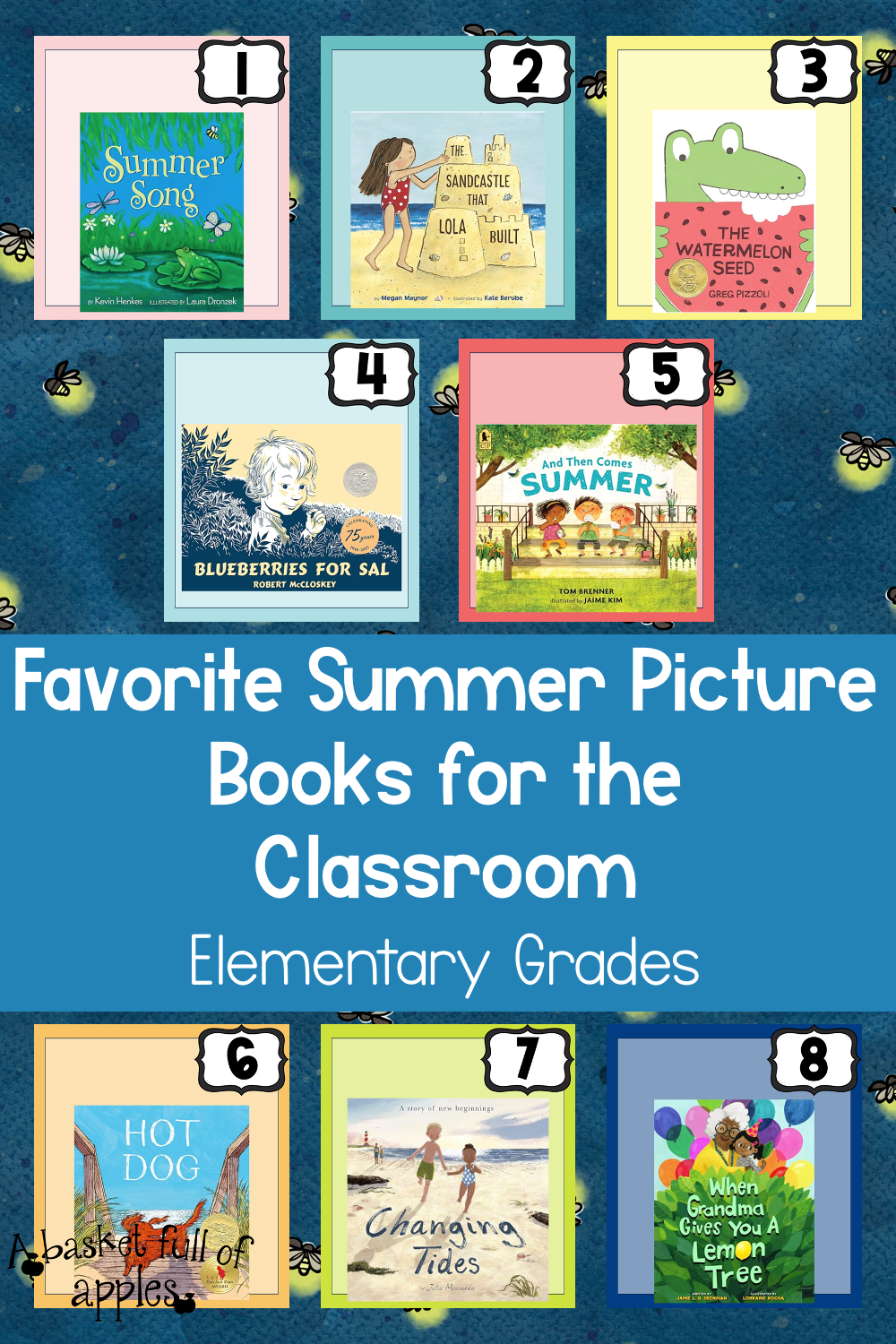
Sunshine & Stories: 8 of the Best Summer Picture Books for Elementary Classrooms

Summer is a season of exploration, imagination, and growth—making it the perfect backdrop for sharing picture books that capture the magic of long days, new adventures, and emotional discovery. Whether you're wrapping up the school year or planning a summer reading program, these thoughtfully selected picture books will spark curiosity and conversation in your elementary classroom.


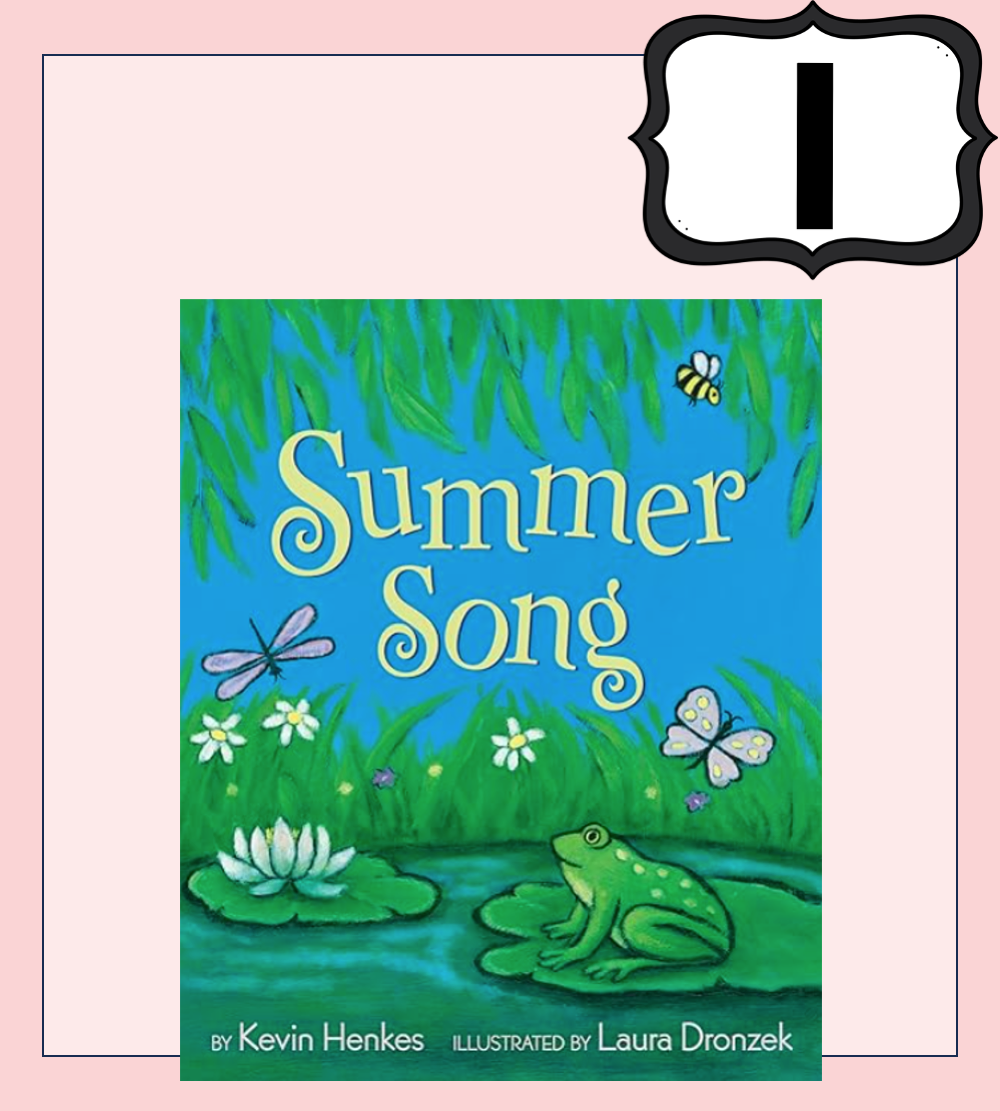
Summer Song by Kevin Henkes
This lyrical book celebrates the sights, sounds, and feelings of summer, from the buzzing of bees to the green of grass. It's a sensory delight that encapsulates the season's vibrancy.


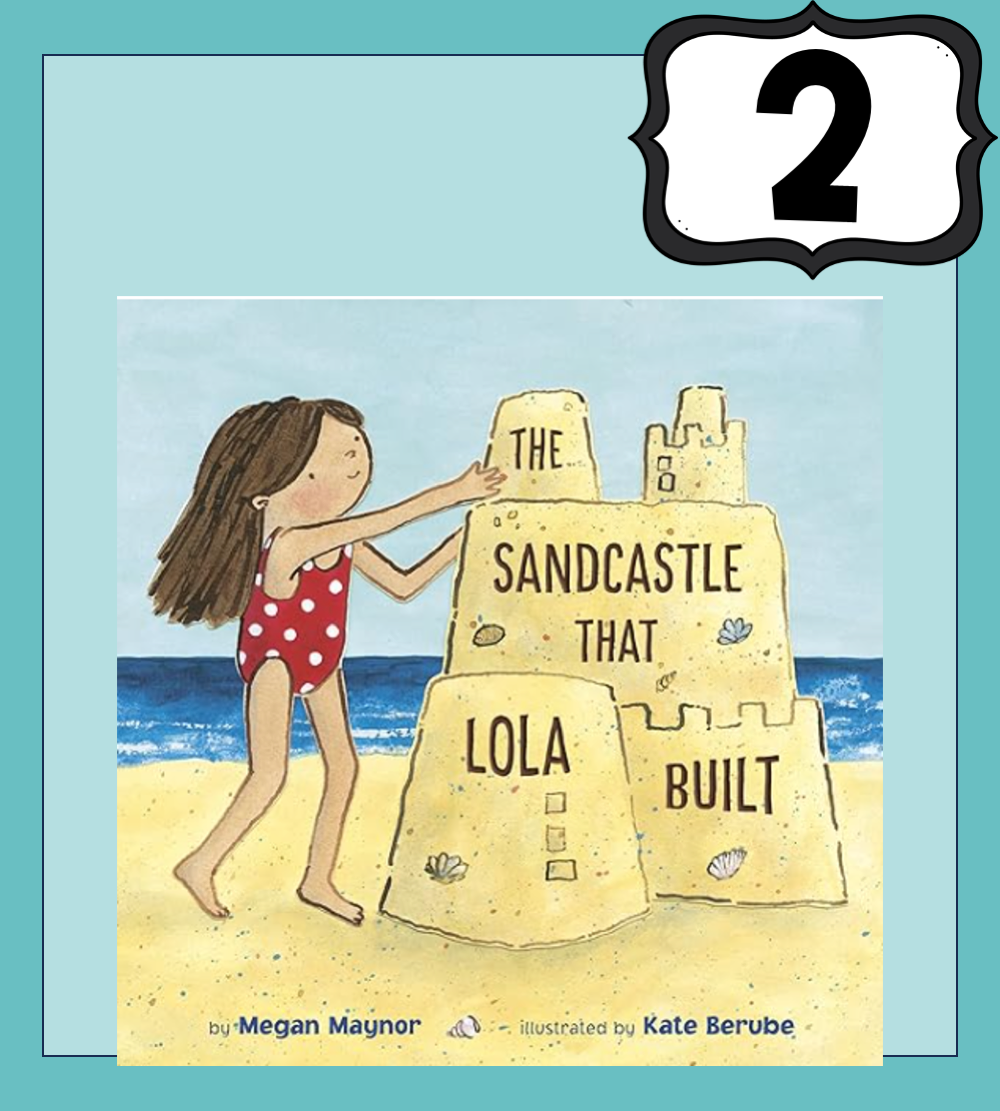
The Sandcastle That Lola Built by Megan Maynor
A creative twist on "The House That Jack Built," this story follows Lola as she constructs an elaborate sandcastle, making new friends along the way. It's a charming tale of collaboration and summer fun.


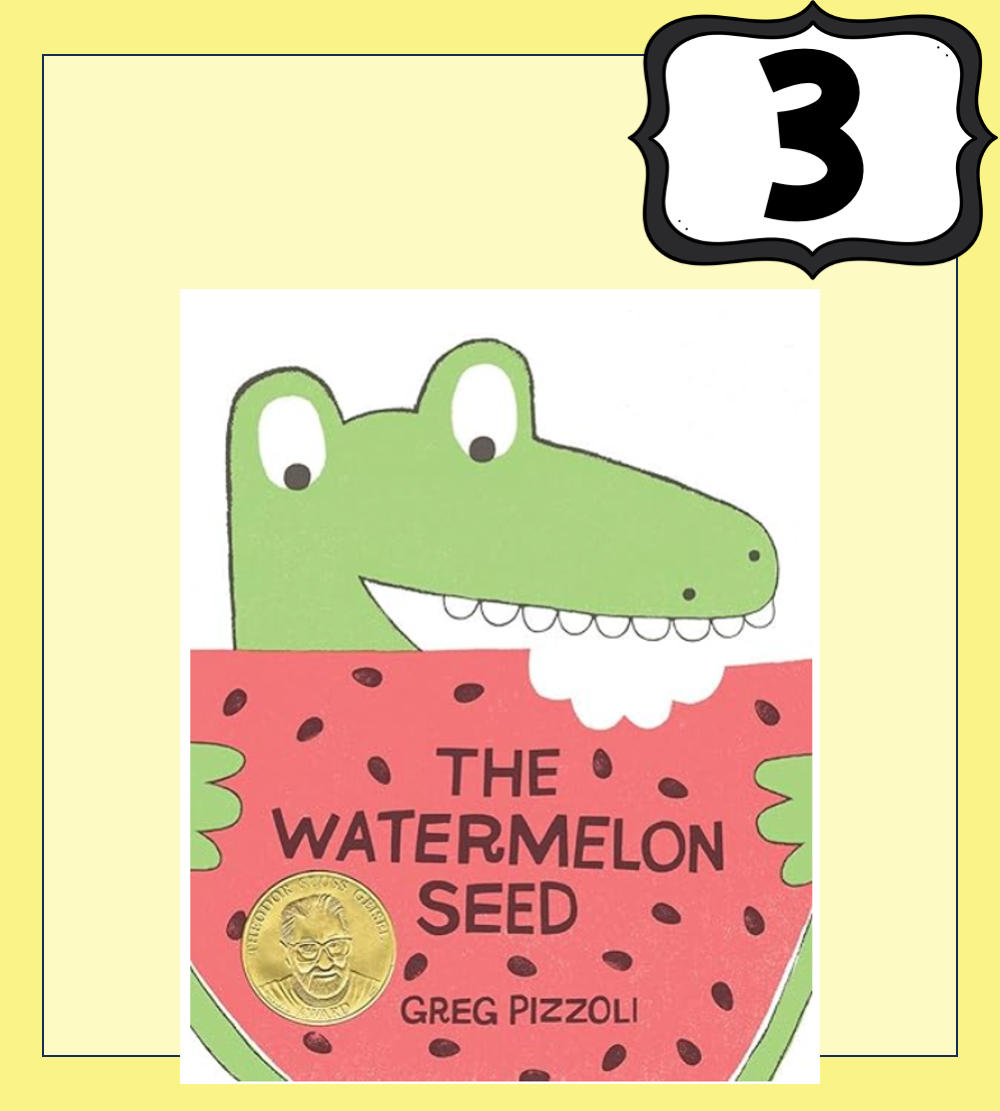
The Watermelon Seed by Greg Pizzoli
A humorous story about a crocodile who loves watermelon but fears swallowing a seed. It's a delightful read that captures a common childhood worry with a summer favorite fruit.


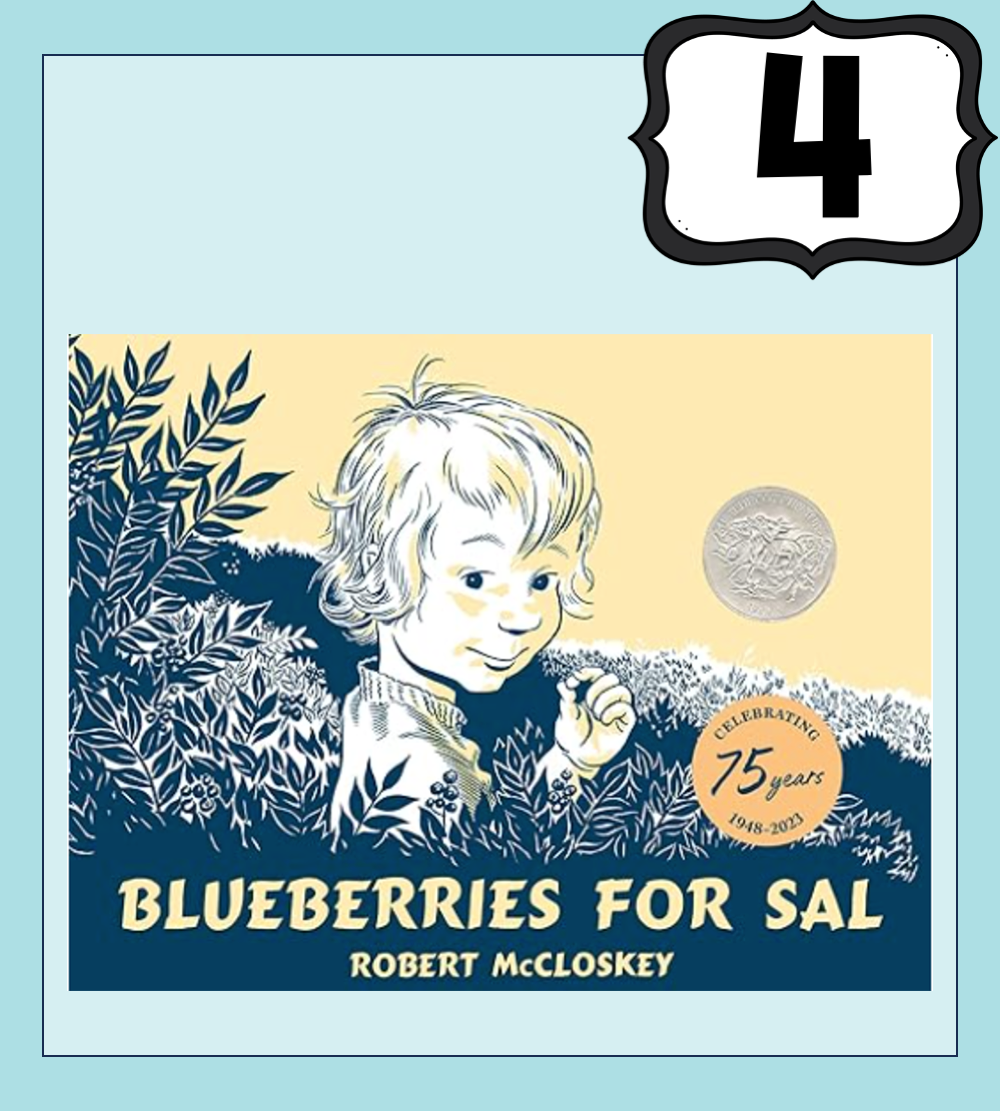
Blueberries for Sal by Robert McCloskey

This 1948 Caldecott Honor book follows young Sal and her mother as they pick blueberries in Maine, paralleling the journey of a bear cub and his mother. It's a charming tale of childhood curiosity and nature's bounty.


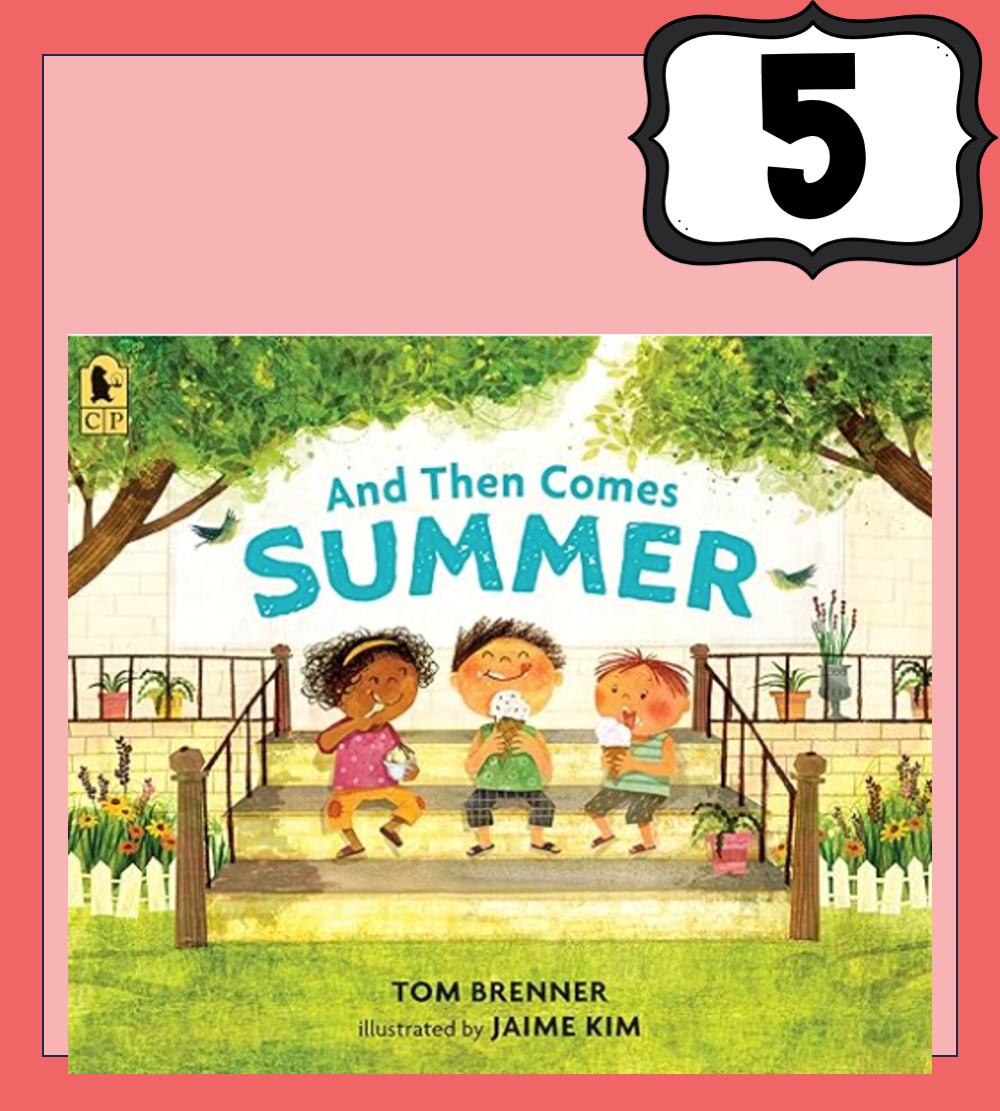
And Then Comes Summer by Tom Brenner

This book captures the anticipation and joy of summer's arrival, highlighting activities like lemonade stands, bike rides, and fireworks. It's a celebration of seasonal traditions.


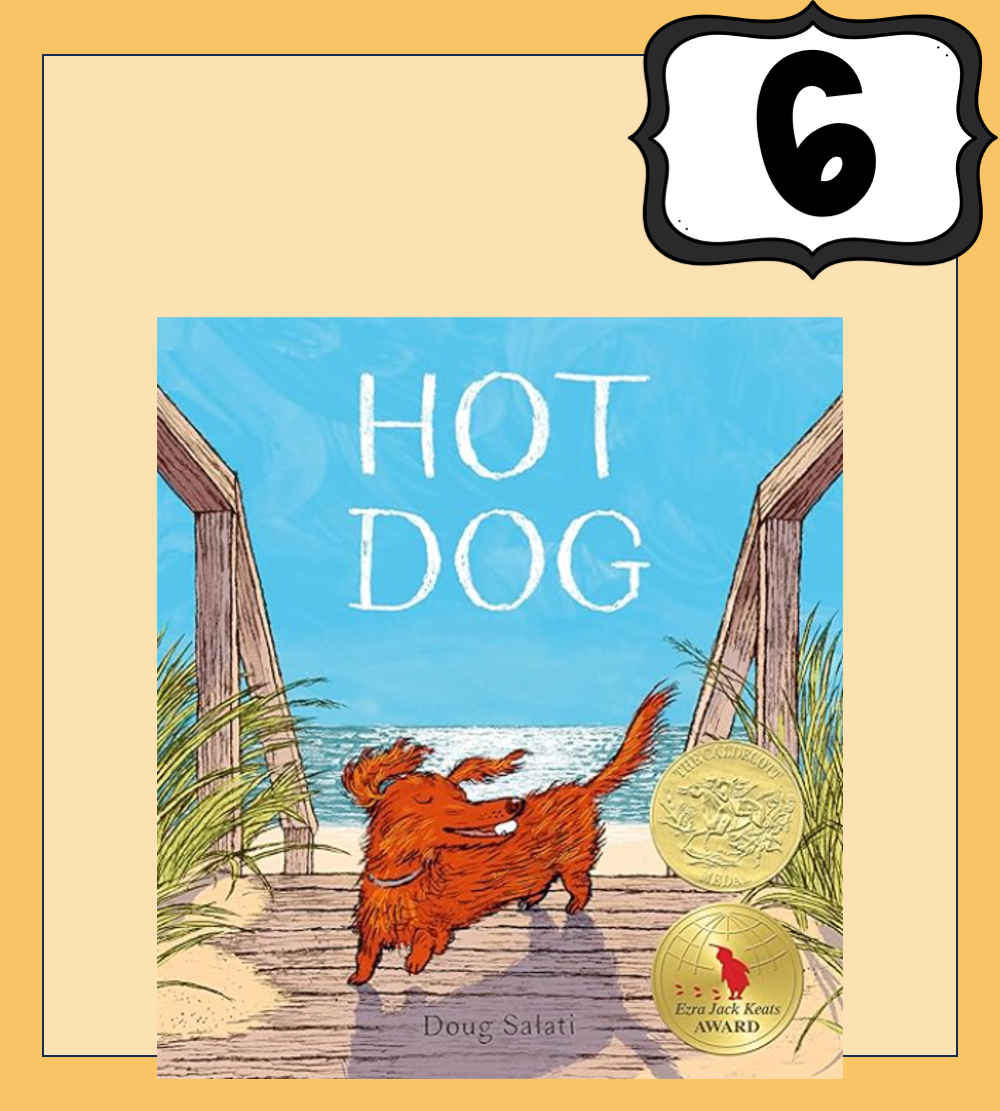
Hot Dog by Doug Salati

A 2024 Caldecott Medal winner, this book follows a dachshund escaping the city's heat for a beach adventure. With minimal text and expressive illustrations, it captures the essence of a summer day.


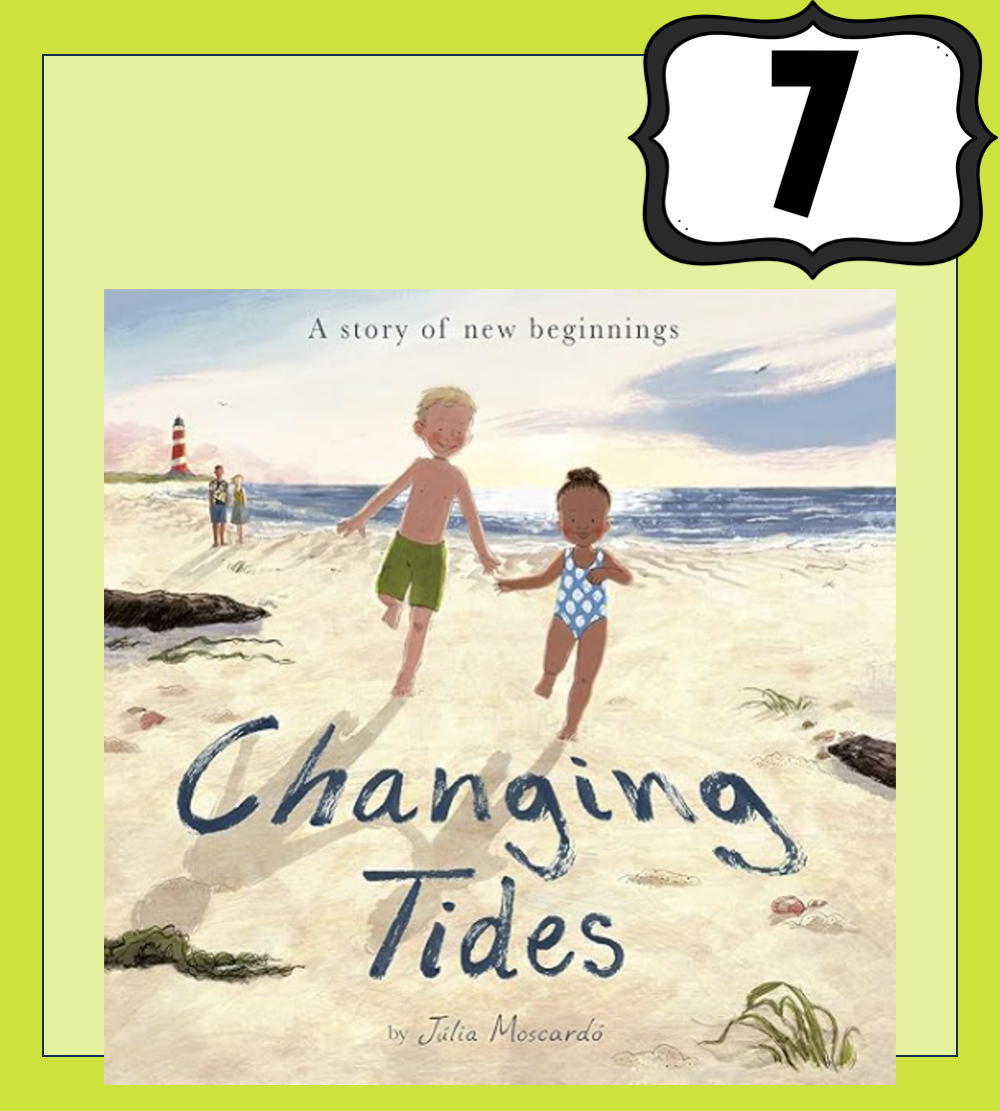
Changing Tides by Júlia Moscardó

This beautifully illustrated story delves into family dynamics and the art of building sandcastles, symbolizing the shifting nature of relationships and the passage of time during summer.


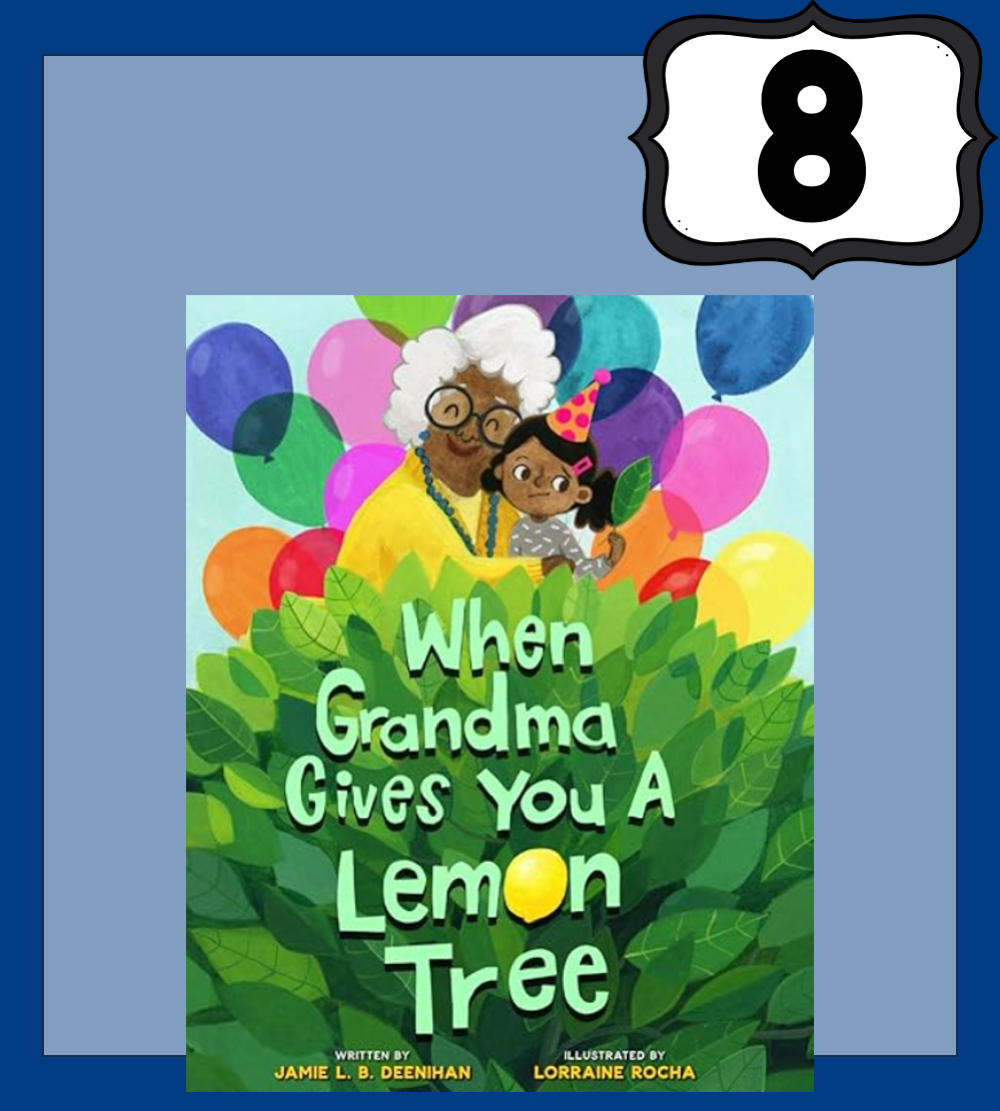
When Grandma Gives You a Lemon Tree by Jamie L.B. Deenihan

A young girl learns to appreciate unexpected gifts when her grandmother gives her a lemon tree instead of the electronics she wanted. It's a story about patience, care, and the sweet rewards of hard work.


Integrate Reading with Creative Activities

Pairing picture book reading with creative projects can deepen comprehension and make reading more interactive. Activities such as drawing scenes from the story, creating character puppets, or writing alternative endings encourage students to think critically about the text and express their understanding creatively.

Involve Families in the Reading Process

Encouraging families to participate in summer reading can reinforce its importance and create a supportive reading environment at home. Providing families with reading tips, book lists, and discussion questions can facilitate meaningful reading experiences outside the classroom.

Host a Summer Reading Celebration

Organizing a reading celebration at the end of the summer can motivate students to read and recognize their efforts. This event could include sharing favorite books, displaying artwork inspired by readings, or even a small awards ceremony to celebrate reading milestones.

​As summer approaches, elementary educators have a unique opportunity to inspire a love for reading that extends beyond the classroom. By incorporating summer-themed picture books into various activities—such as outdoor reading sessions, creative art projects, and family engagement initiatives—teachers can make reading an enjoyable part of students' summer experiences. These strategies not only help maintain literacy skills but also foster a lifelong appreciation for books. Encouraging students to explore stories that resonate with their interests and experiences can lead to deeper connections and a more meaningful engagement with reading. As educators, your enthusiasm and creativity in presenting these books can leave a lasting impression, motivating students to continue their reading journeys independently. Let's embrace the summer as a season of exploration, imagination, and growth through the pages of captivating picture books. Together, we can cultivate a community of enthusiastic young readers ready to discover the endless adventures that books have to offer.


LinkWithin

Related Posts Plugin for WordPress, Blogger...