Image Map
Showing posts with label morning routine. Show all posts

Wednesday, August 6, 2025

8 Steps to Organizing Your Classroom and Keeping it that Way All Year Long

The first day of school is filled with excitement, anticipation, and—let’s be honest—a little chaos. With fresh supplies, a new class roster, and an empty room full of possibilities, it’s the perfect time to set the tone for the entire year. As elementary teachers, we know how quickly things can spiral if systems aren’t in place. That’s why strong classroom organization isn't just about aesthetics—it's about creating a learning environment where students can thrive and teachers can stay sane.

In this blog post, we’ll explore strategies and practical ideas for organizing your classroom before the first bell rings and maintaining that organization through the hustle and bustle of the school year. Whether you're a first-year teacher or a seasoned pro looking for new tricks, these tips will help you create a classroom that runs like a well-oiled machine.


1. Start With a Clear Vision

Before placing a single pencil in a caddy or arranging desks, step back and ask yourself:

  • What do I want my classroom to feel like?

  • How do I want students to move and interact in this space?

  • What routines will we use daily, and how can the space support them?

Having a clear vision will guide every decision, from the layout to labeling systems. Create zones based on student needs: whole-group instruction, small-group activities, independent work, storage, and quiet reading corners.


2. Classroom Layout and Furniture Placement

a. Maximize Movement and Flow

Arrange desks and furniture to allow easy movement throughout the classroom. Avoid bottlenecks at high-traffic areas like the cubbies, door, and pencil sharpener. Ensure there’s space for line formation and transitions.

b. Define Purposeful Zones

  • Teacher Zone: A small, organized area for your supplies, lesson plans, and technology. Keep only essential items here.

  • Student Supply Zone: A centralized place where students can access communal supplies like glue, crayons, scissors, and tissues.

  • Learning Centers: If you use centers, make them clearly labeled and consistent with materials stored in bins or drawers.

  • Library Corner: A cozy space with bins organized by theme, genre, or reading level. Include soft seating or rugs to invite reading.

3. Storage Systems That Work

a. Label Everything

Labels save time and reduce confusion. Label shelves, cubbies, bins, and drawers using pictures and words, especially for younger grades. Use color-coded systems to organize by subject or group.

b. Clear Bins and Caddies

Transparent bins make it easy to see what’s inside. Use matching bins or caddies to store like items. Group materials by activity (art supplies, math manipulatives, game pieces).

c. Student Supply Storage

Use plastic drawers or pencil boxes labeled with student names for individual supplies. For community supplies, assign table bins and have a routine for restocking.

d. Paper Management

Use vertical trays or wall organizers for copies, homework, permission slips, and graded work. Keep a “Turn In Tray,” “To Be Graded,” and “Send Home” section.


4. Routines to Maintain Organization

The best systems will fall apart without student buy-in and consistency. Teach routines from day one.

a. Model, Practice, Repeat

Show students how to use each space, return items, and clean up. Role-play incorrect and correct behaviors. Repeat regularly until routines become habits.

b. Assign Classroom Jobs

Create jobs related to organization: librarian, supply manager, paper passer, tech helper. Rotate weekly and build student ownership.

c. Build Clean-Up Into the Day

Have set times for quick clean-ups—before lunch, end of the day, or after centers. Play a song and challenge students to clean within the time limit.

d. Teach Supply Responsibility

Let students help restock, sharpen pencils, and organize caddies. Use systems like “dull and sharp” pencil cups or broken crayon bins.


5. Early Finishers and Fast Finishers

Plan for students who finish work early to reduce downtime and clutter.

a. Early Finisher Bins

Stock bins with puzzles, tangrams, drawing books, and vocabulary games. Rotate contents every few weeks.

b. Choice Boards or Task Cards

Laminate boards with options for reading, writing prompts, or math challenges. Keep them in a folder or binder near student desks.


6. Managing Student Paperwork

Paper piles can grow fast—have a plan!

a. Mailboxes

Use cubbies, magazine holders, or a hanging wall file labeled for each student. Send home graded work weekly in a folder.

b. Parent Communication Folders

Use plastic folders for home-school communication. Label pockets: “Keep at Home” and “Return to School.”

c. Absent Work Folders

Designate a folder for students to check after an absence. Assign a student helper to collect and file the work.

7. Bulletin Boards and Wall Space

Make wall displays work for you.

a. Anchor Chart Wall

Rotate anchor charts based on current units. Use clothespins, binder rings, or hooks for easy swapping.

b. Interactive Boards

Use Velcro or dry-erase pockets to create interactive displays like calendar activities, word walls, or math vocabulary.

c. Student Work Displays

Designate a board for student work. Use clothespins, washi tape, or sheet protectors for quick updates. Change monthly to celebrate growth.

8. Favorite Tools for Classroom Organization

Here are a few go-to tools teachers swear by:

  • Plastic drawer towers

  • Stackable bins with lids

  • Label makers or printable labels

  • Command hooks and Velcro strips

  • Dry-erase clipboards

  • Rolling carts or supply caddies

  • Sterilite 3-drawer containers

  • Over-the-door shoe organizers (for supplies!)

Final Thoughts: Start Strong, Stay Consistent

Organizing your classroom takes time upfront, but the payoff is huge. When students know where things go, how to use materials, and what’s expected, your classroom runs more smoothly. You spend less time managing messes and more time engaging with students.

Remember: the goal isn’t perfection—it’s functionality. Try one or two strategies at a time and build your systems gradually. And when something doesn’t work? Tweak it, change it, or let it go.

A well-organized classroom isn’t about fancy bins or Pinterest perfection. It’s about creating a welcoming space that supports learning, fosters independence, and gives you room to breathe.

Here’s to a clutter-free, calm, and confident school year—starting from day one!


Wednesday, July 3, 2024

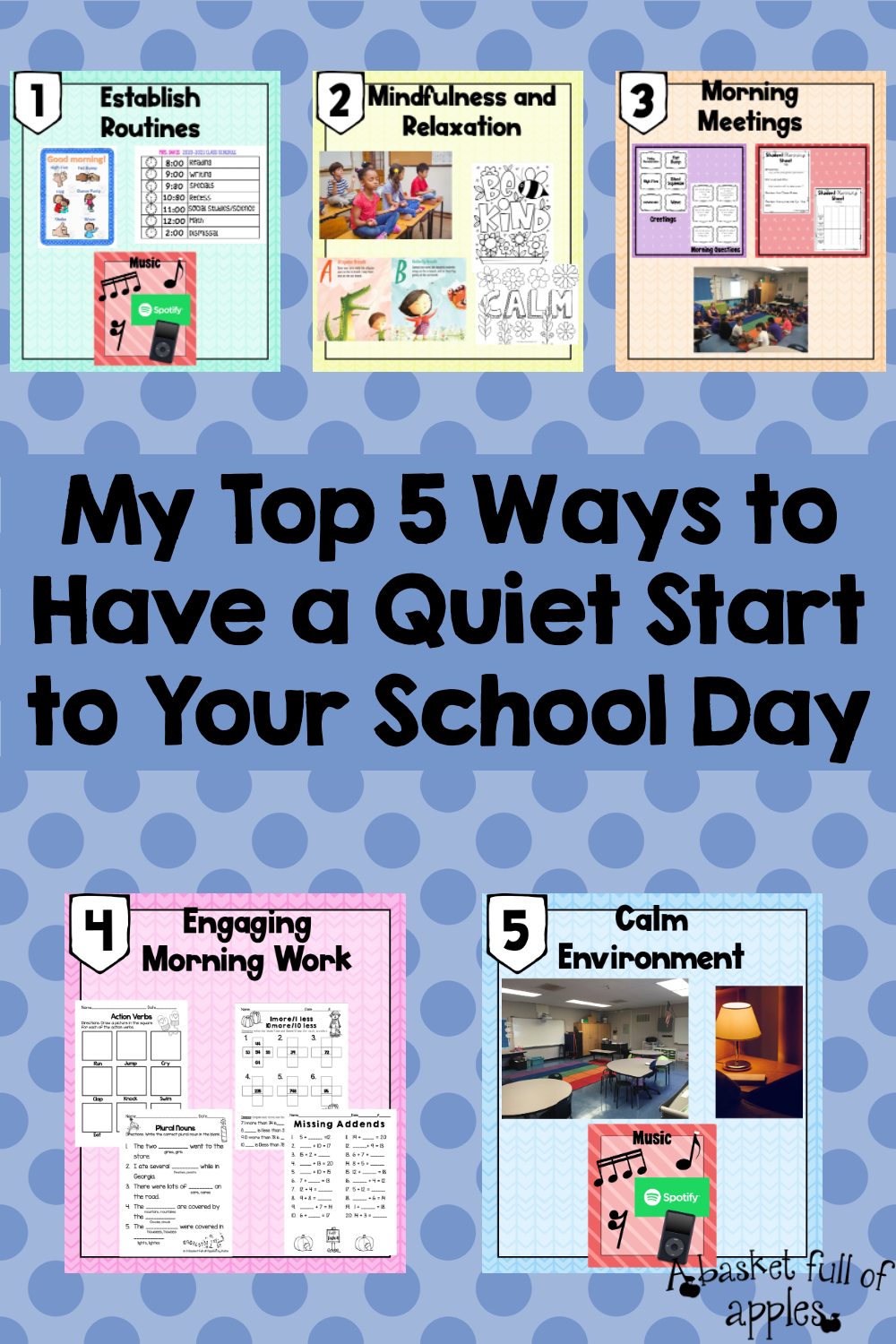
My Top 5 ways to have a quiet start to your school day

A quiet start to the school day in a primary classroom sets a positive tone for learning and helps children transition smoothly from home to school. Establishing a calm and focused environment from the beginning can significantly impact students' ability to concentrate and engage in their lessons. Here are several strategies to ensure a quiet and peaceful start to your school day.

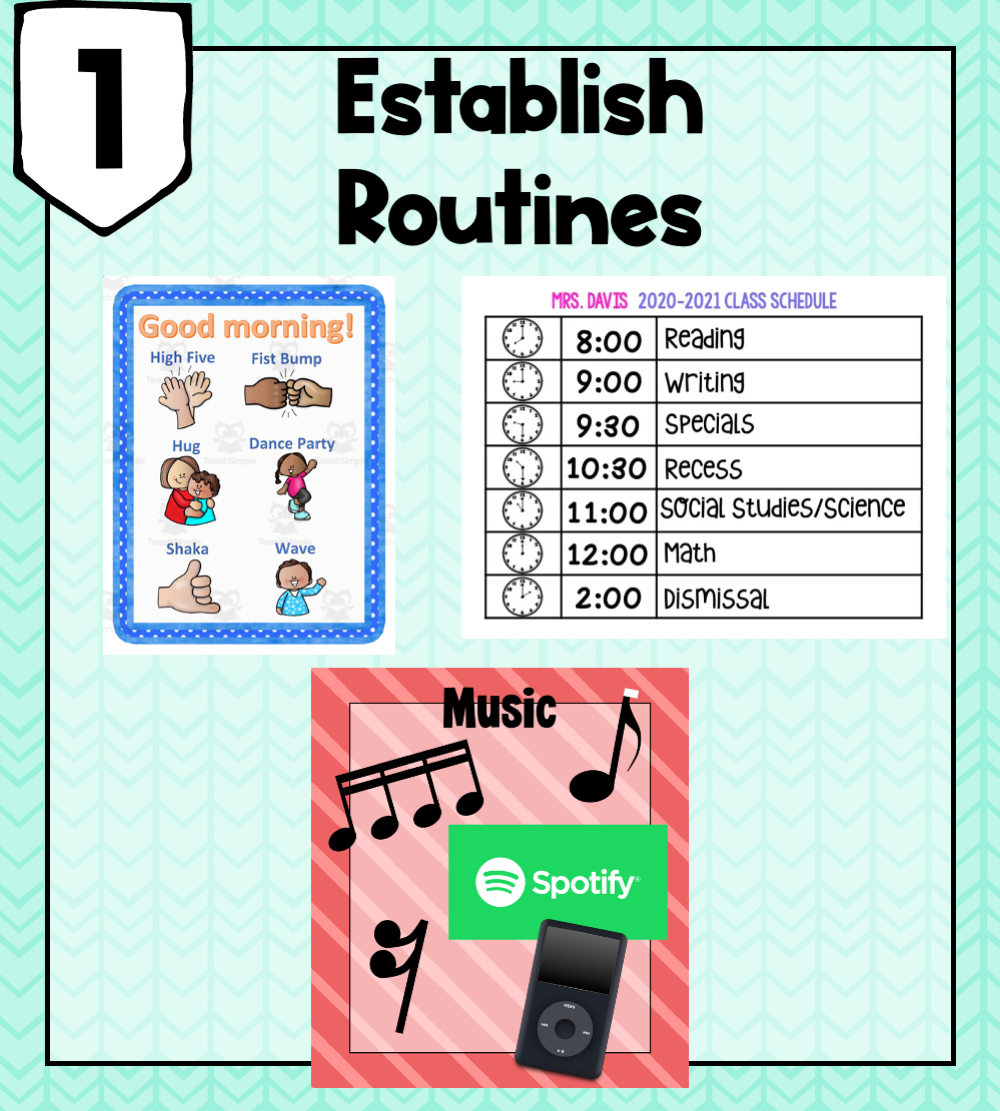
1. Establish a Routine

Routines are crucial for young children as they provide a sense of security and predictability. Start each day with a consistent routine that students can follow easily. This might include:

  • Morning Greetings: Greet each student at the door with a smile and a quiet "Good morning." This personal connection helps students feel welcomed and valued.

  • Visual Schedule: Display a visual schedule of the morning routine. This could include images or icons representing each activity (e.g., unpacking bags, morning work, circle time).

  • Soft Music: Play soft, calming music as students enter the classroom. This can help set a tranquil mood and signal that it's time to transition into the school day.

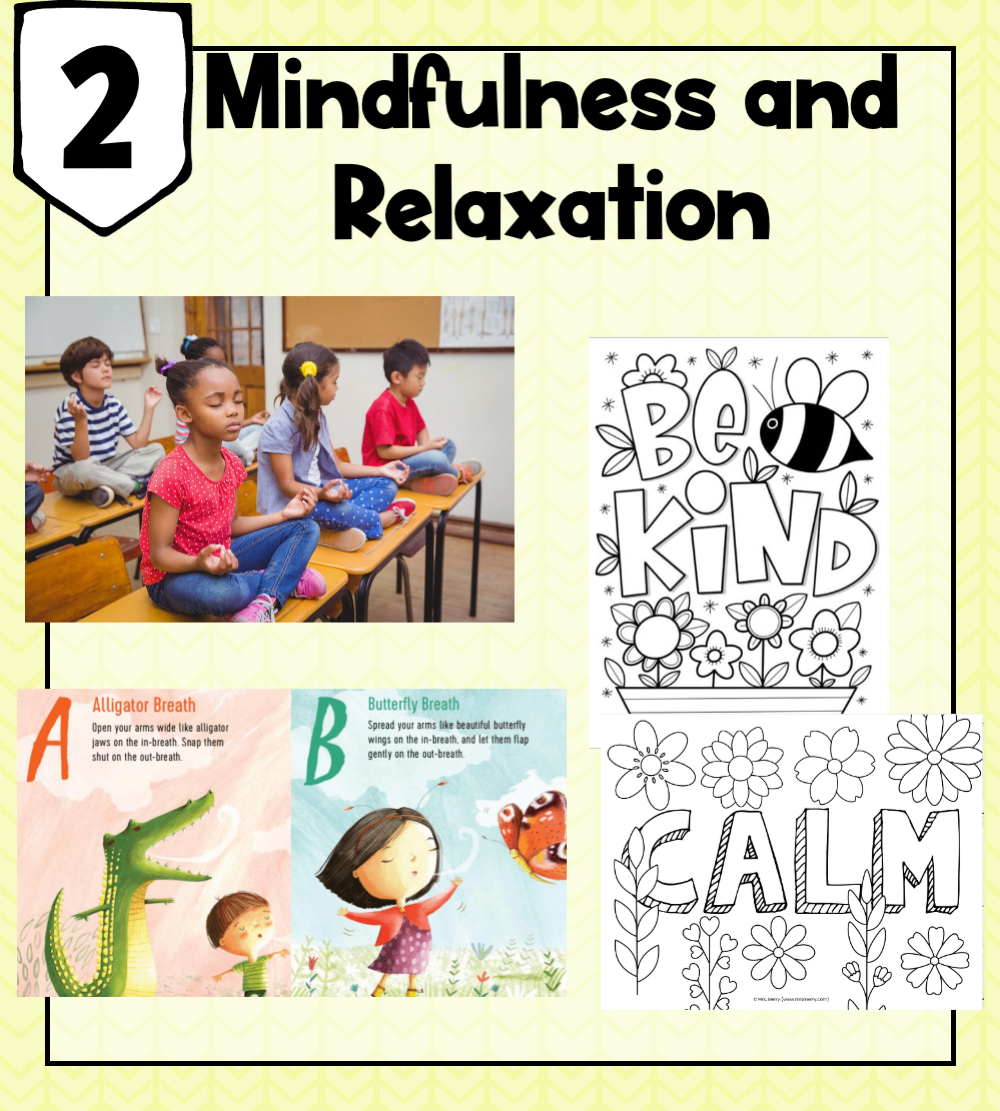
2. Mindfulness and Relaxation Techniques

Incorporating mindfulness and relaxation techniques can help students settle down and focus their minds. Consider these activities:

  • Guided Breathing: Start the day with a few minutes of guided breathing exercises. Encourage students to take slow, deep breaths and focus on their breathing to calm their minds and bodies.

  • Mindful Movement: Engage students in simple, gentle movements such as stretching or yoga. This can help them release any physical tension and prepare for the day ahead.

  • Quiet Time: Allocate 10-15 minutes for quiet activities like reading, drawing, or working on puzzles. This can help students transition from the hustle and bustle of arriving at school to a more focused state[5].

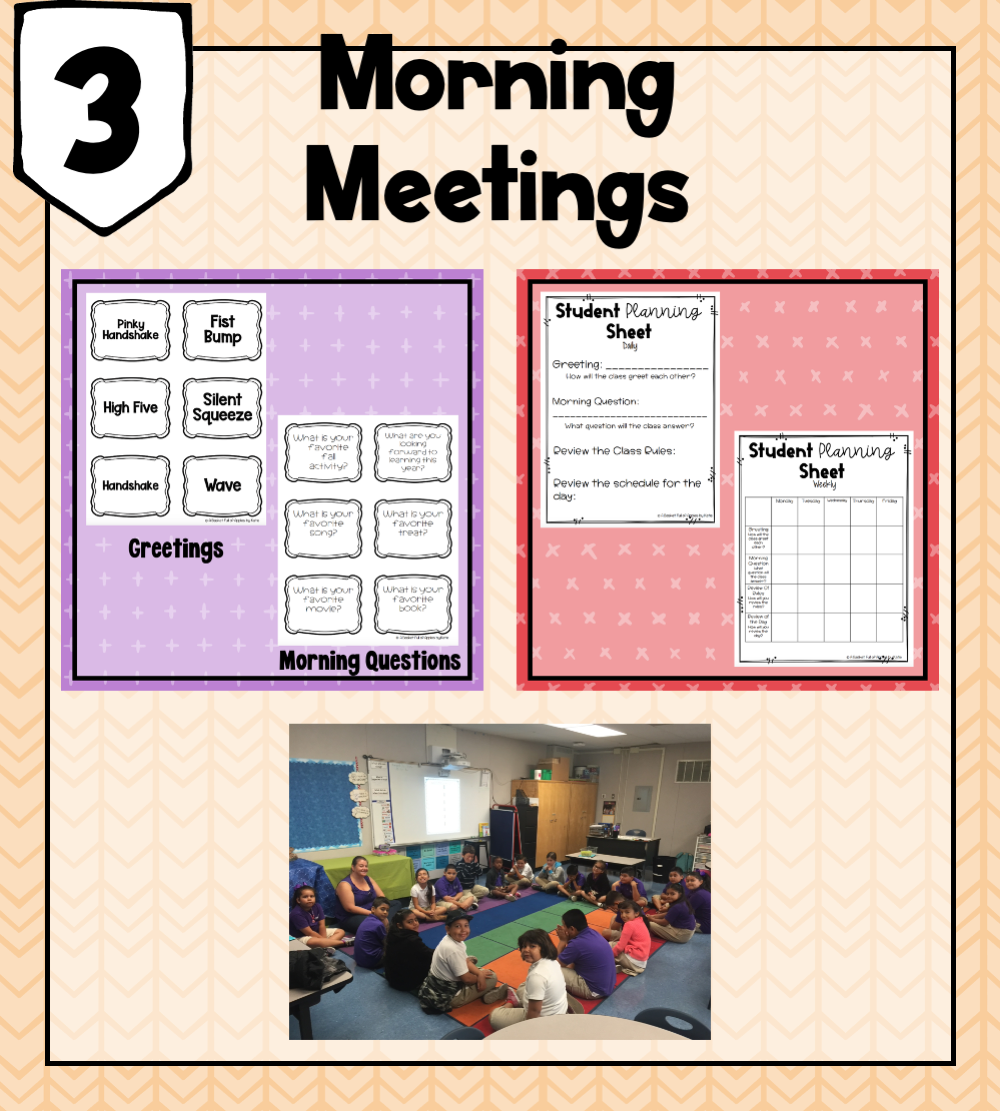
3. Morning Meetings

Morning meetings are an excellent way to build community and set a positive tone for the day. Keep the meetings structured and brief to maintain a calm atmosphere:

  • Greeting: Start with a quiet, respectful greeting. This could be a handshake, a wave, or a verbal greeting shared around the circle.

  • Sharing: Allow a few students to share something briefly. Encourage them to speak softly and listen attentively.

  • Activity: Choose a quiet activity such as a simple game or a group discussion about the day's plans.

  • Morning Message: Read a short, positive message to the class. This can include the day's schedule, a motivational quote, or a reminder of classroom rules.


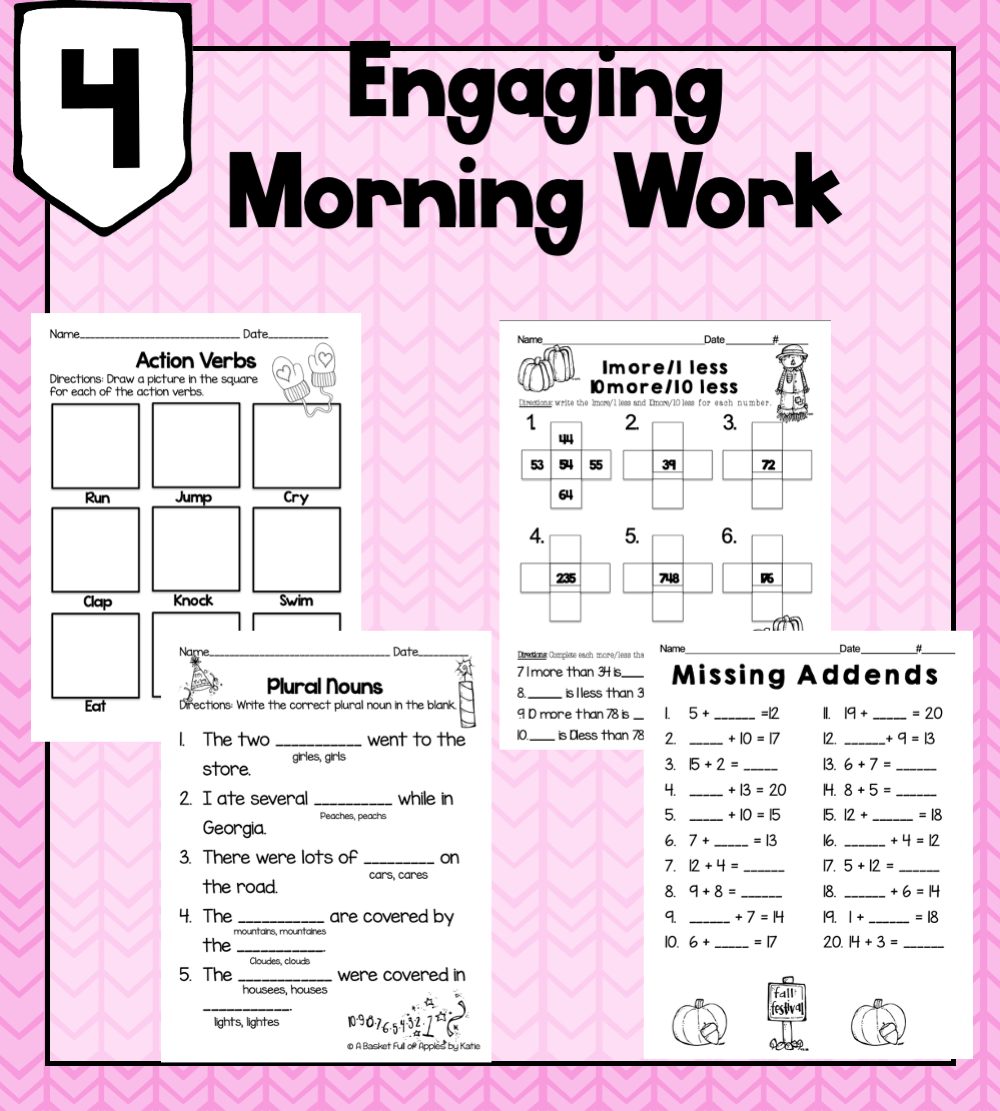
4. Engaging Morning Work

Provide engaging and meaningful morning work that students can start independently as soon as they arrive. This work should be quiet and require individual focus:

  • Journaling: Encourage students to write or draw in their journals. Provide prompts that are related to their interests or recent lessons.

  • Puzzles and Brain Teasers: Offer a variety of puzzles, brain teasers, or other quiet activities that stimulate thinking and problem-solving.

  • Review Worksheets: Use review worksheets that reinforce skills learned previously. This helps students start the day with a sense of accomplishment.

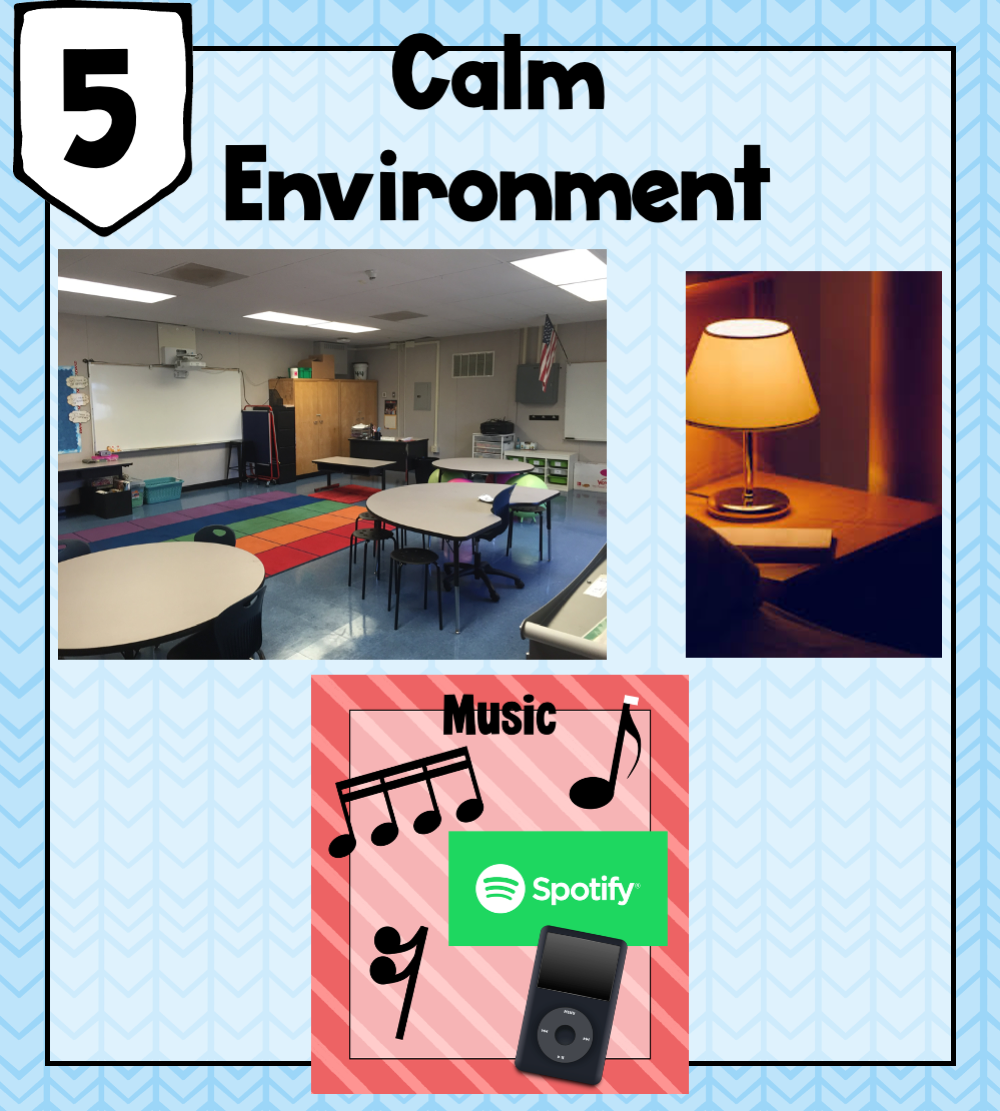
5. Create a Calming Environment

The physical environment of the classroom plays a significant role in students' behavior and mood. Make the classroom a calming and inviting space:

  • Lighting: Use soft, natural lighting if possible. Avoid harsh fluorescent lights that can be overstimulating.

  • Classroom Décor: Decorate the classroom with calming colors and minimal distractions. Consider using nature-themed decorations or calming images.

  • Seating Arrangements: Arrange seating to minimize noise and distractions. Use individual desks or small group tables, and ensure there is enough space for students to move quietly.

A quiet start to the school day in a primary classroom is achievable with thoughtful planning and consistent routines. By incorporating mindfulness practices, effective classroom management techniques, and creating a calming environment, teachers can help students transition smoothly into their day, setting them up for success. Remember, the goal is not just silence, but a focused, peaceful atmosphere where students feel ready to learn and grow.


Wednesday, June 7, 2023

4 Great Ways to Start Your Day in the Classroom


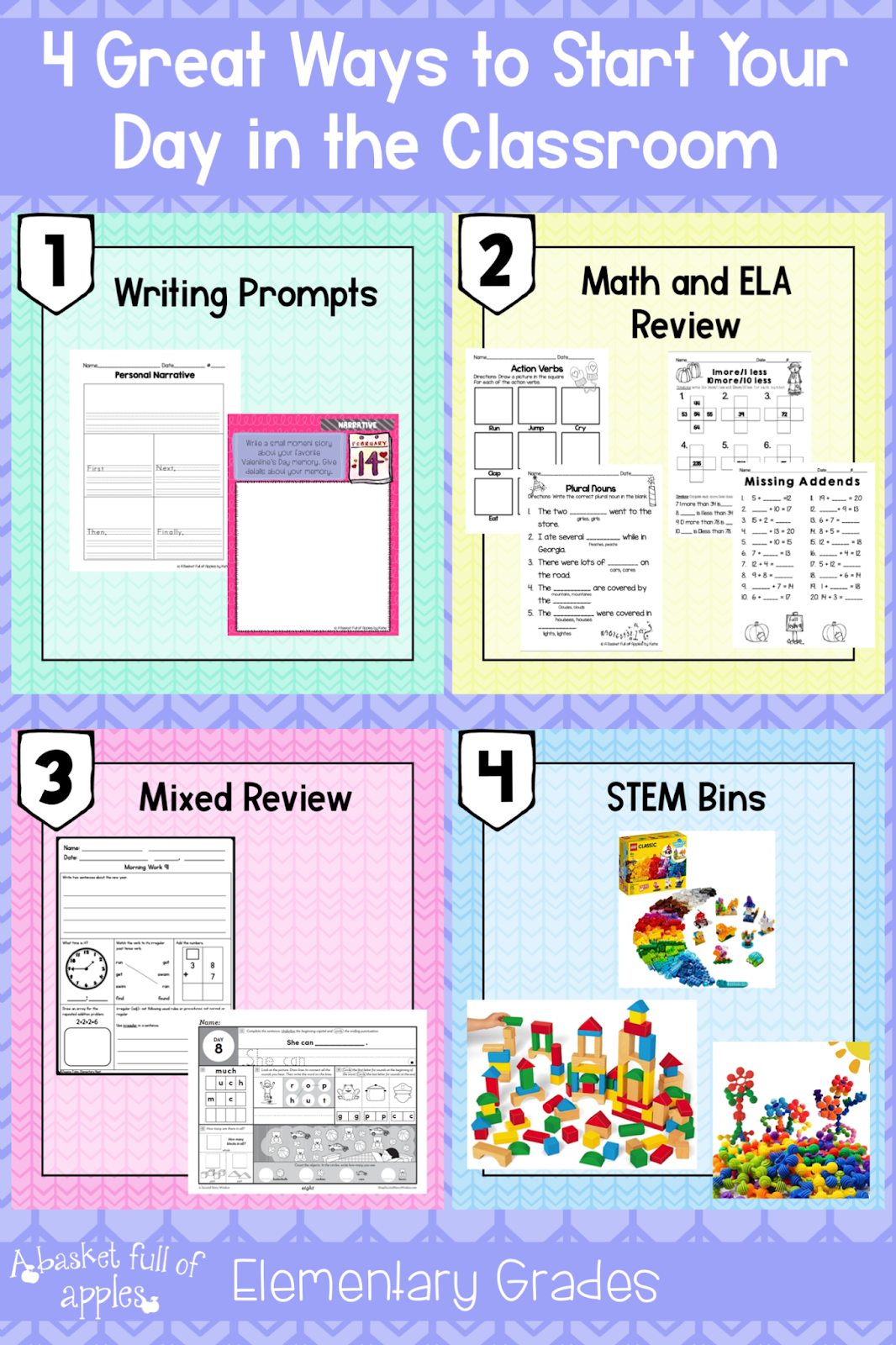
  It is crucial to set the tone for the day, as soon as your students walk into the room! There are so many fun things you can do in your classroom to create a wonderful start to the day.  You can do the same thing each day, or you can do a mixture of activities throughout your week. Each teacher has their own style of what they like to do, but you can use the following tips to create your perfect start to your day!  


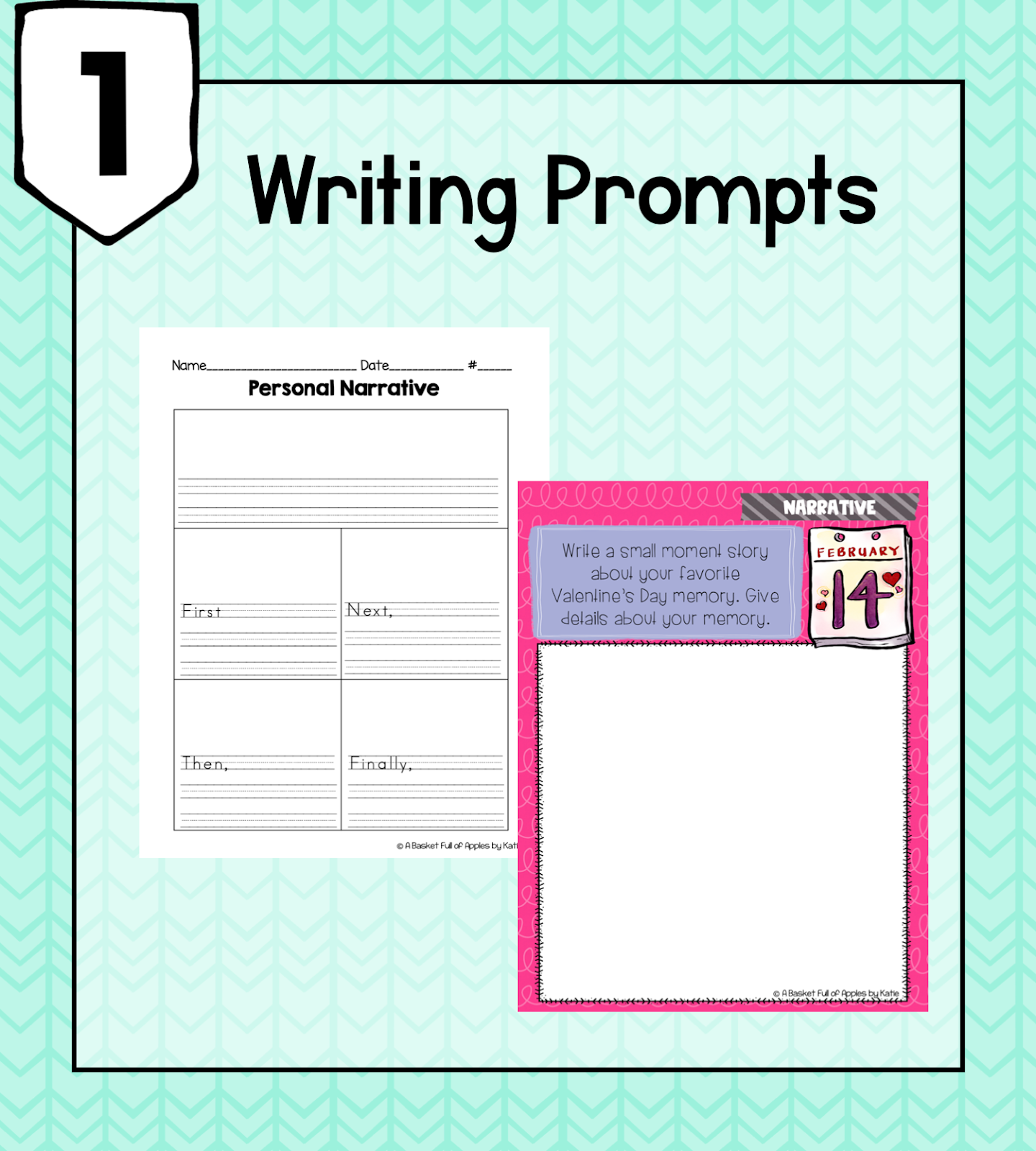
     The first activity that I love to incorporate in our morning routine is writing. Sometimes I will have students work on their writers workshop pieces, or I have them work on journal prompts. Writing is a great way to start the day because it is very independent and students are able to get started as soon as they have all their things put away. Writing is also a great activity that you can make digital with students working on computers or iPads, or you can have students work with paper and pencil. Writing in Journals is a great activity for Monday mornings because students can write about their weekends, and then they can share their thoughts with their classmates during the morning meeting. 


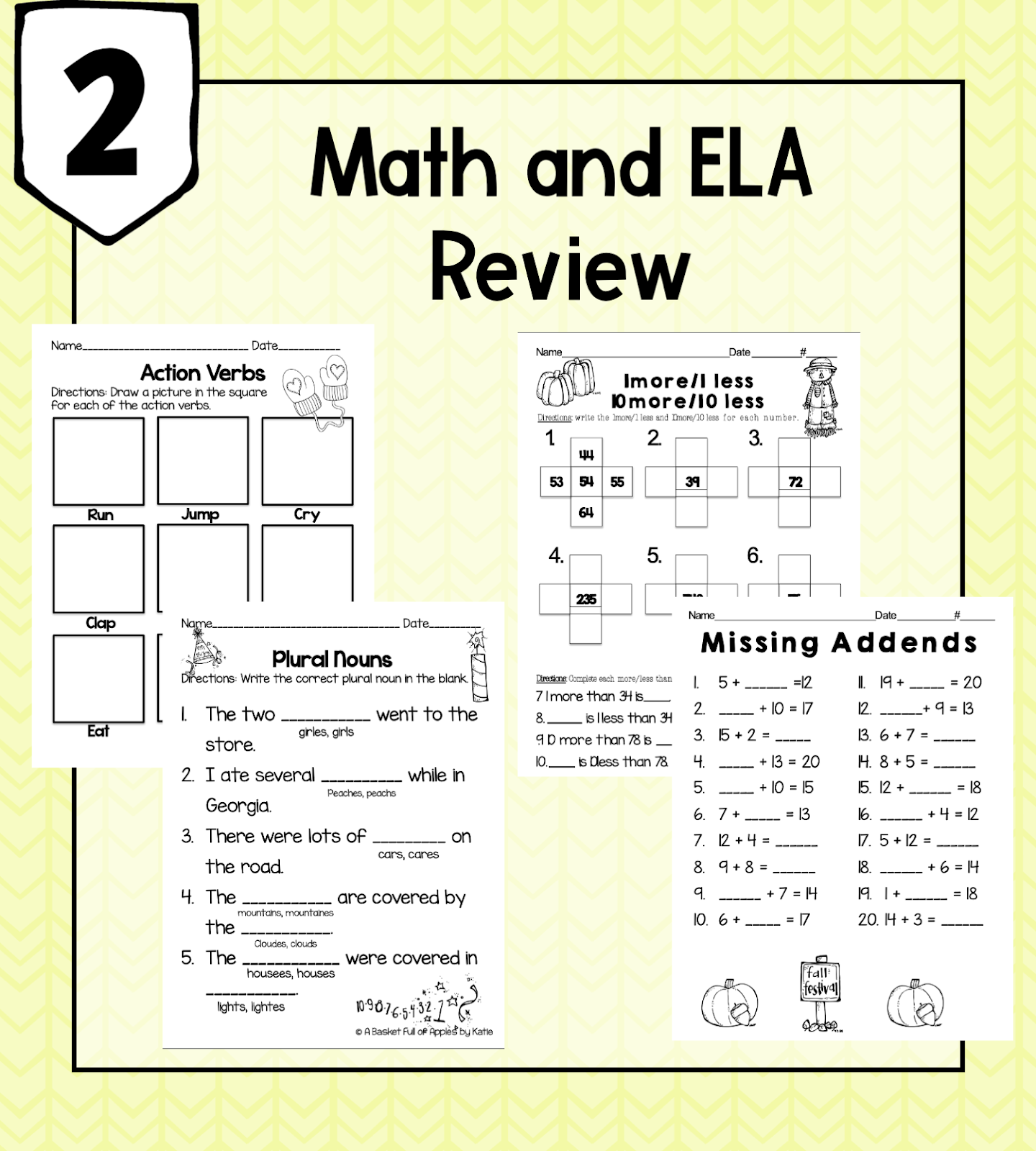
     The next activity that works well for the start of the day is a math or ELA review page. It works well to have a worksheet that is a review from earlier in the year or from a couple of weeks before. At the beginning of the year you can even use worksheets of skills from the previous year. You can also use pages that review a skill needed to build on a new skill that is going to be taught that day, or in the next couple days. This allows students to continue to practice skills that they have been working on. This is another great activity that works for students to do independently. Because it is a worksheet of a skill that has been worked on previously, students are able to come into the classroom and get started right away. Using worksheets of review skills is an excellent way to help students stay on top of skills that they have already learned. 


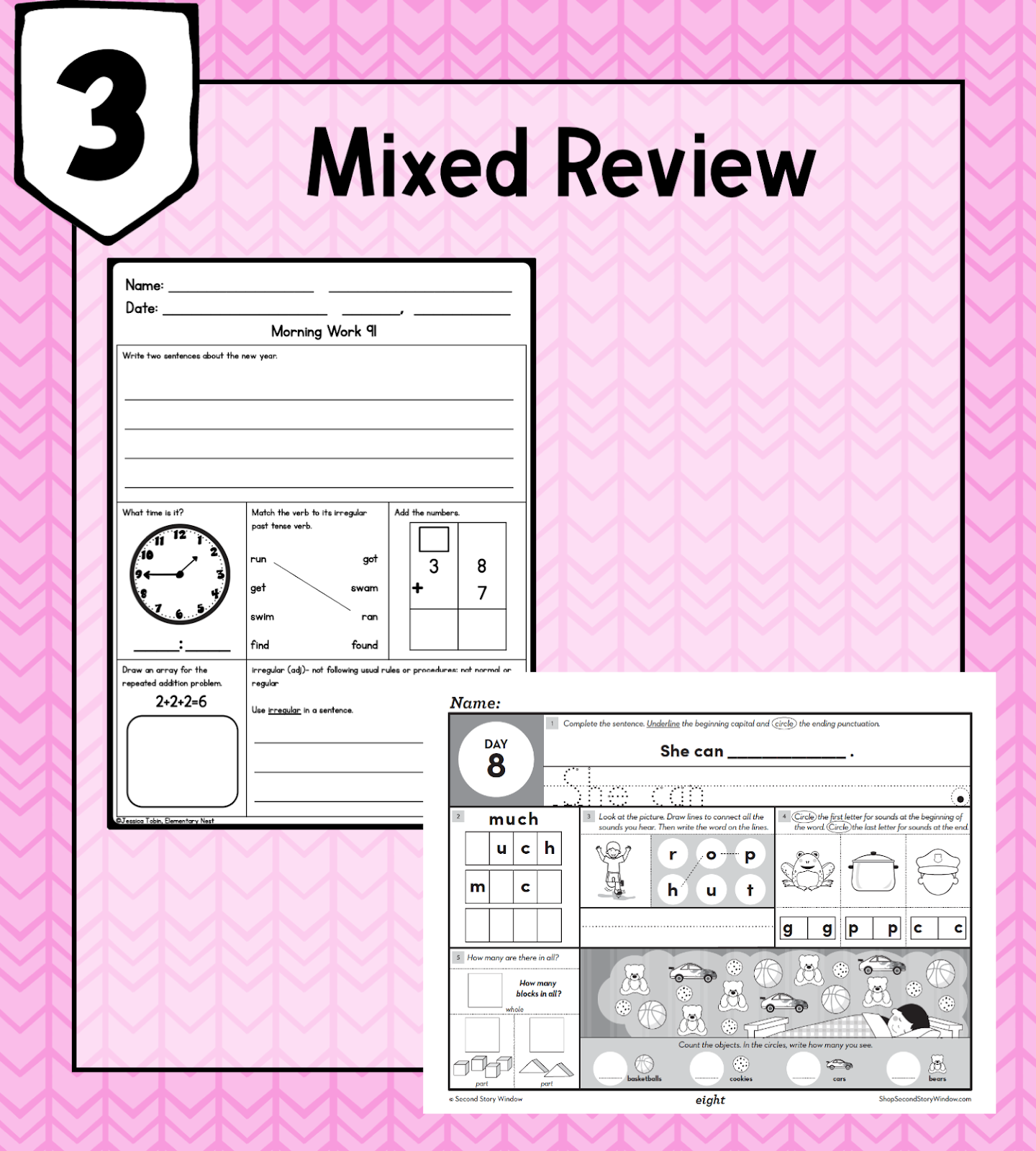
    Another perfect way to start your day is with mixed review pages. These are another great activity that students can do independently and help them practice skills that they’ve previously worked on. These are perfect for the start of the day because they work on math and ELA skills. Another great idea is to do math review on one side of the page, and ELA on the other side of the page. Your morning meeting is an excellent time to review the pages and make sure that every student understands what was covered on the page. 


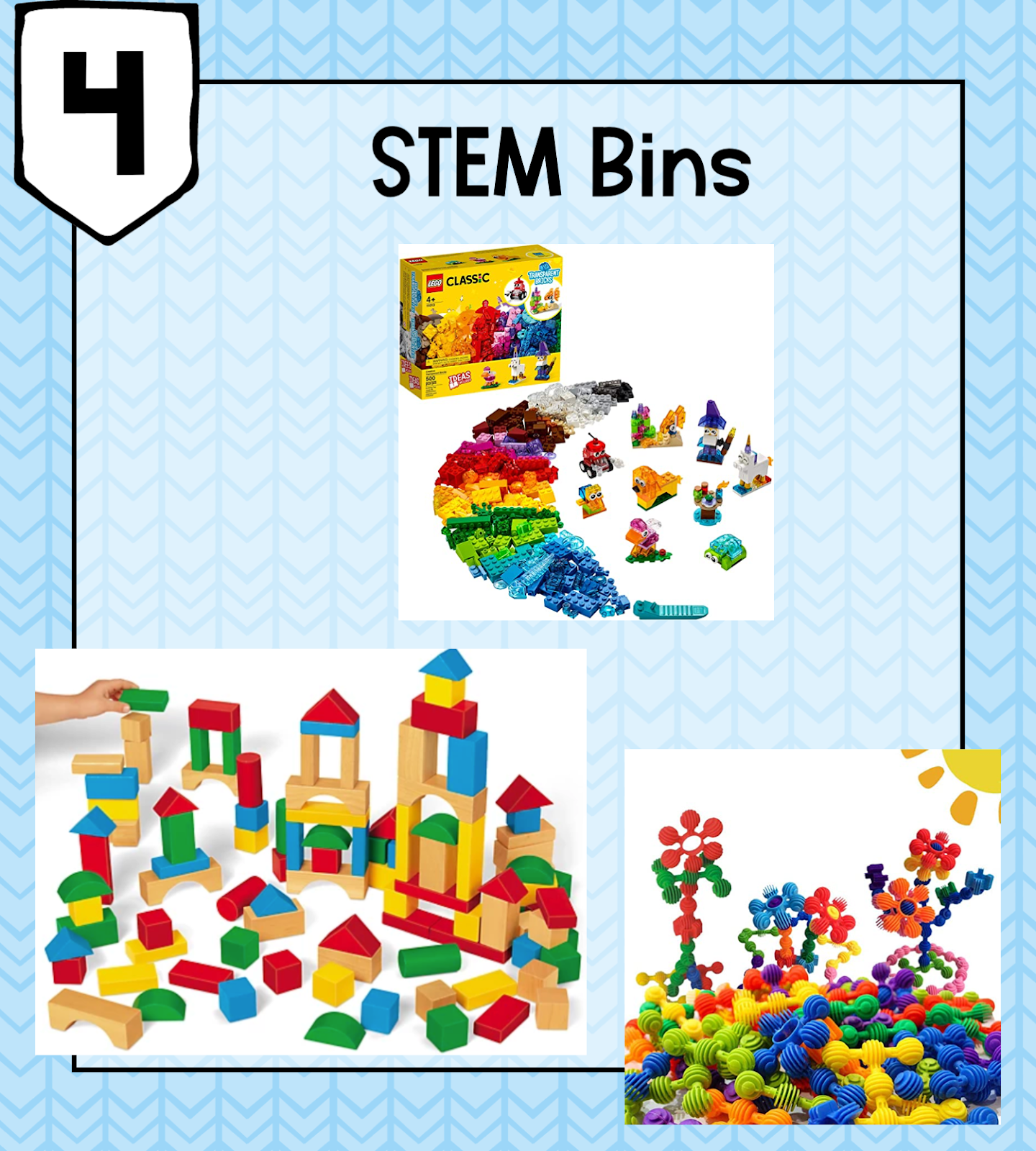
     The final way that I love to start our day is with STEM bins. I put lots of different building blocks in boxes and students can grab a box and use that box to build. Students can work alone with a box of materials, or they can work with a partner. This works perfectly for a slow start morning where students are not all arriving at the same time. I have students work on their worksheet for the day and then when they finish, they can build with a STEM bin. Younger students can just build things that they want, and older students could be given a challenge that they have to try to build, like a bridge or the tallest tower. STEM bins are also a great activity for students to work on when they are finished with their work. These bins are always some of my students’ favorite activities! 


     There are so many great ways to start your day! You can have your students do a worksheet that reviews skills, you can have them write in their journals, or you can have them do a slow start with STEM bins. I love doing a mixture of all of these activities, but you can create whatever routine you like. What are your favorite ways to start your day? Tell me in the comments what you are going to try in your classroom. I can’t wait to hear your ideas! 


Wednesday, May 3, 2023

My Top 4 Tips To Create An Efficient Morning Routine For Your Students

  Do you have a routine for your mornings? Do your students come into the classroom crazy? I have found that creating a morning routine has really helped to get our day off to a great start. There are a few tips that I have for you to create a perfect morning routine for your students and classroom. 


     The first thing that I do every day is have calm music playing. I love using classical music that the students don’t know and recognize. It is important that the music you choose is not songs that the students recognize. When the students recognize the songs that are playing, they are more likely to come into the classroom wild and a little too excited. There are plenty of other opportunities throughout the day that allow you to play music that the students know. But at the start of the day, you want to set the stage for a calm day. I like to start the music before the students walk into the classroom. This helps to set the mood for the day from the minute they walk into the room. 


     Next on the list is to have a place for the students to see exactly what they need to do when they walk in. I like to use a procedure slide for the start of the day. I type on the slide everything that the children need to do from the minute they step into the classroom. I include everything from putting things away, to getting things out for the day, to getting started on an assignment. Having a place for the students to see what they need to do takes the morning responsibilities off of you as the teacher and puts it on the students. When a student comes up to you and asks what they're supposed to do, you are able to tell them to look at the morning procedures on the board. This also allows you to get the things done that need to get done in the morning, like attendance, and reading any notes from parents.  


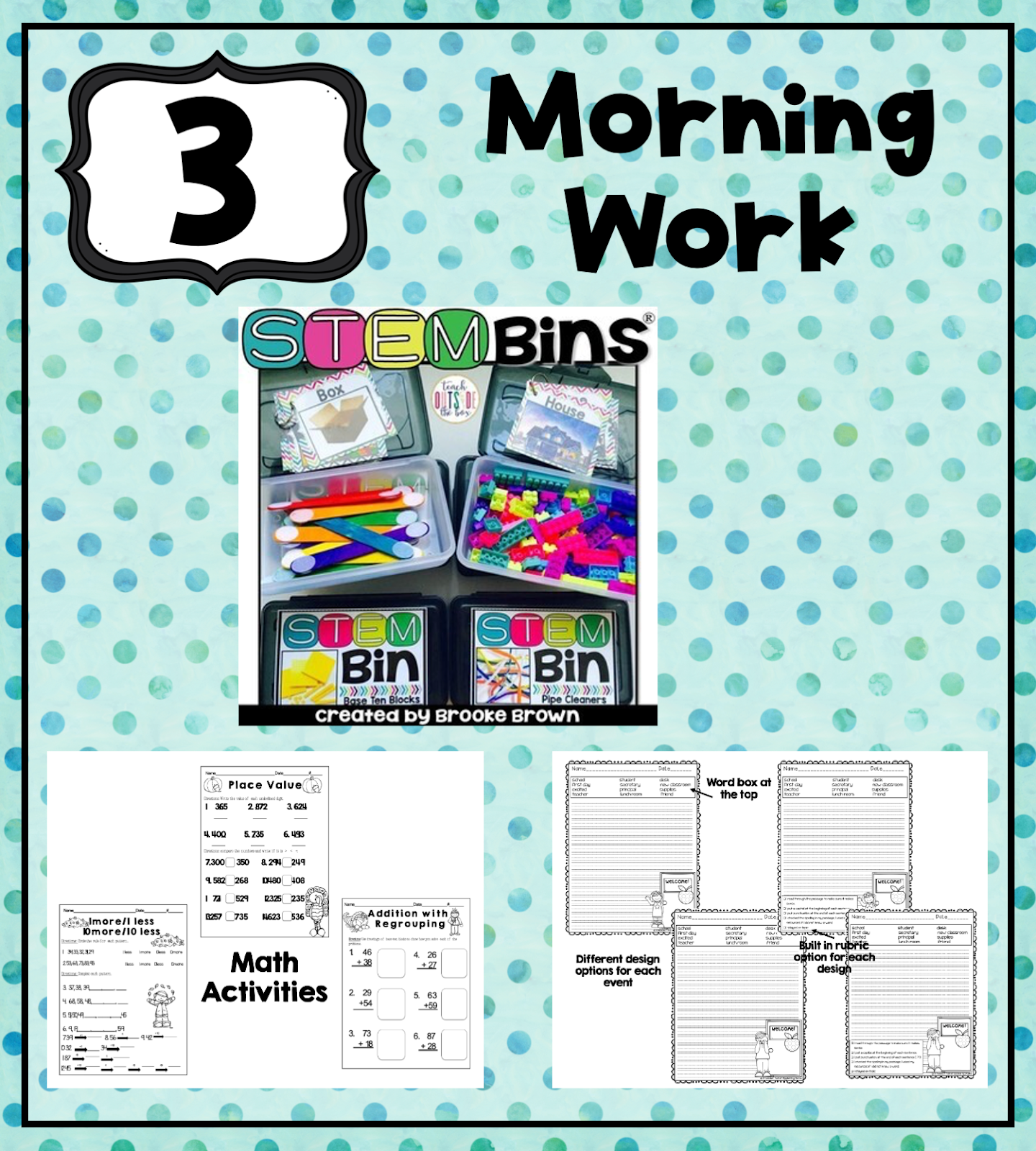
     The next thing I do to help with our morning routine is to have some type of assignment. This gives the students something to do after they have unpacked and put all their things away. Some different ideas for assignments could be a writing page or journal entry or some type of math or language arts review. I love to have my students work on a review page that reviews skills from the weeks before. When students are done with the assignment, they get to use a STEM Bin to build different objects. STEM bins are a great idea from Brooke Brown. You can find these resources on teachers pay teachers or even at Lakeshore or Amazon. STEM bins are small boxes with different building toys like legos, blocks, or magnetic tiles for students to build with. You can create these boxes yourself or you can use resources available through Brooke. STEM bins were my students' favorite activities, and it made them work diligently to get their work done because they were so excited to use the bins. 


     The last thing that I do every day to have a smooth morning routine is a morning meeting. This is a time that my students always look forward to. At the start of the year, I lead the meeting so my students can learn the routine. Then after the first couple weeks of school, I hand the meeting over to my students. It becomes one of our classroom jobs to be the morning meeting leader. Each week, the leader plans out the meeting. They choose what question they want to ask and what greeting they want for the meeting. We use our morning meeting slide to help us with the flow of the meeting. This helps the students stay on track. 


     Having a morning routine really helps you create a wonderful environment for your students. Morning routines will help your students come into the classroom and know exactly what is expected of them. I love to see my students come in and know what they need to do. They get started as soon as they walk into the classroom. The morning routine helps to create a calm, smooth morning for your students. What part of the morning routine are you going to try first? 


LinkWithin

Related Posts Plugin for WordPress, Blogger...