Image Map
Showing posts with label summer. Show all posts

Wednesday, June 3, 2026

6 Ways Elementary Teachers Can Spend Summer Break Recharging for a New School Year

For elementary school teachers, summer break is often imagined as endless relaxation—but in reality, it’s a delicate balance between true rest, personal growth, and quiet preparation for the year ahead. After months of lesson planning, emotional support, behavior management, meetings, and constant decision-making, teachers deserve a summer that restores their energy and reignites their love for teaching.

Summer does not need to be packed with professional development or Pinterest-perfect classroom plans to be productive. In fact, the most effective summers often include intentional rest, joyful experiences, and small, meaningful moments of preparation that don’t overwhelm.

Whether you are a teacher who wants to unplug completely or someone who finds joy in gentle planning, this guide offers realistic, flexible ideas for spending your summer in ways that leave you refreshed, inspired, and ready for a new school year.

1. Give Yourself Permission to Truly Rest

Before diving into planning or professional goals, the most important thing teachers can do in summer is rest without guilt.

During the school year, teachers are constantly “on.” Even weekends are often spent thinking about students, grading papers, or mentally preparing for Monday. Summer is a rare chance to let your nervous system slow down.

Ways to Truly Rest:

  • Sleep without an alarm clock

  • Take afternoon naps

  • Spend mornings moving slowly instead of rushing

  • Sit outside with coffee or tea and do nothing else

  • Allow days with no plans at all

Rest is not laziness—it is necessary recovery. A rested teacher returns to the classroom with more patience, creativity, and emotional capacity.

2. Reconnect With Hobbies and Interests Outside of Teaching

Many teachers lose touch with their hobbies during the school year. Summer is the perfect time to reconnect with activities that make you feel like you, not just a teacher.

Hobby Ideas:

  • Reading novels purely for enjoyment

  • Gardening or caring for houseplants

  • Painting, drawing, or crafting

  • Cooking or baking new recipes

  • Hiking, walking, or swimming

  • Photography or journaling

  • Playing an instrument or learning a new skill

These hobbies aren’t distractions from teaching—they fill your cup so you can pour into others again later.

3. Travel (Big or Small) to Refresh Your Perspective

Travel doesn’t have to be extravagant or expensive to be meaningful. Whether it’s a road trip, a beach weekend, or exploring your own town like a tourist, travel helps teachers reset mentally.

Travel Ideas:

  • Visit a nearby city you’ve never explored

  • Take a day trip to a museum, zoo, or national park

  • Plan a weekend getaway with friends or family

  • Explore local cafes, bookstores, or nature trails

  • Visit relatives you rarely see during the school year

Travel helps teachers step outside of routines and return with fresh ideas, new energy, and renewed creativity.

4. Read for Pleasure and Inspiration

Summer reading doesn’t have to be professional reading—though that has its place too. Start with books that make you happy.

Reading Ideas:

  • Fiction you’ve been saving all year

  • Memoirs or personal development books

  • Lighthearted romance or mystery novels

  • Audiobooks for walks or road trips

  • Children’s picture books just for joy

Once you feel rested, you might naturally gravitate toward professional reading—but let that come after pleasure reading, not instead of it.

5. Reorganize and Refresh Your Personal Spaces

Summer is an ideal time to gently declutter and refresh your home. A calm physical environment can have a powerful impact on mental clarity.

Refreshing Ideas:

  • Declutter closets or drawers one small area at a time

  • Reorganize your home office or teacher bag

  • Create a cozy reading nook

  • Refresh your bedroom with new sheets or decor

  • Set up a simple self-care corner

This kind of organization is not about perfection—it’s about creating spaces that support peace and calm.

6. Build or Strengthen Relationships

During the school year, relationships often take a back seat to responsibilities. Summer is a chance to reconnect.

Relationship-Building Ideas:

  • Spend intentional time with family

  • Plan coffee dates with teacher friends

  • Schedule playdates if you have children

  • Reconnect with non-teacher friends

  • Strengthen your support system

Strong personal relationships provide emotional grounding when the school year becomes stressful.

Summer break is not just time off—it’s an opportunity for renewal. By resting deeply, nurturing personal interests, reflecting thoughtfully, and preparing gently, teachers can enter the new school year feeling grounded and inspired.

No two summers need to look the same. The best summer is the one that meets your needs, not anyone else’s expectations.

Here’s to a summer filled with rest, joy, and just enough preparation to make the fall feel exciting—not exhausting.

Wednesday, July 2, 2025

Sunshine & Stories: 8 of the Best Summer Picture Books for Elementary Classrooms

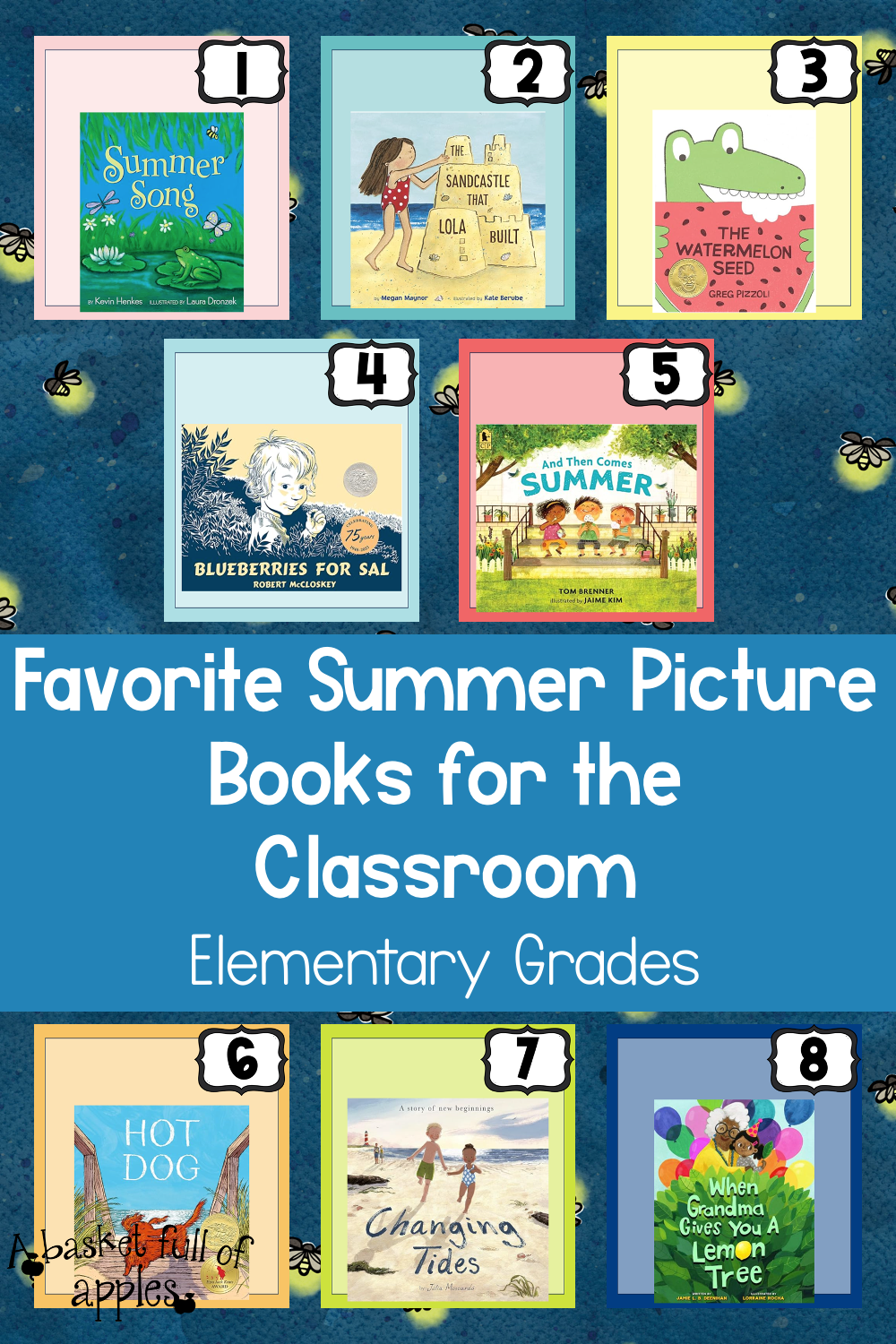
Summer is a season of exploration, imagination, and growth—making it the perfect backdrop for sharing picture books that capture the magic of long days, new adventures, and emotional discovery. Whether you're wrapping up the school year or planning a summer reading program, these thoughtfully selected picture books will spark curiosity and conversation in your elementary classroom.


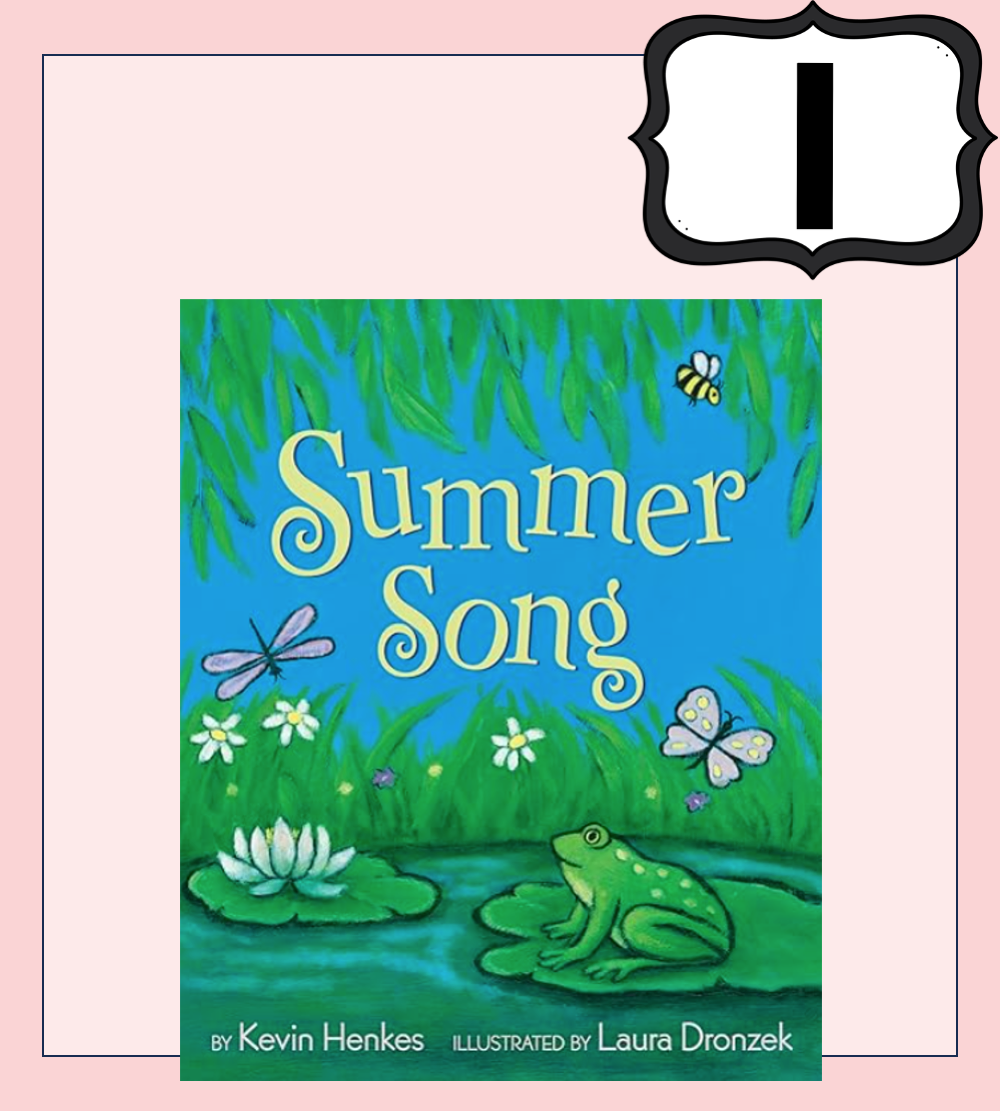
Summer Song by Kevin Henkes
This lyrical book celebrates the sights, sounds, and feelings of summer, from the buzzing of bees to the green of grass. It's a sensory delight that encapsulates the season's vibrancy.


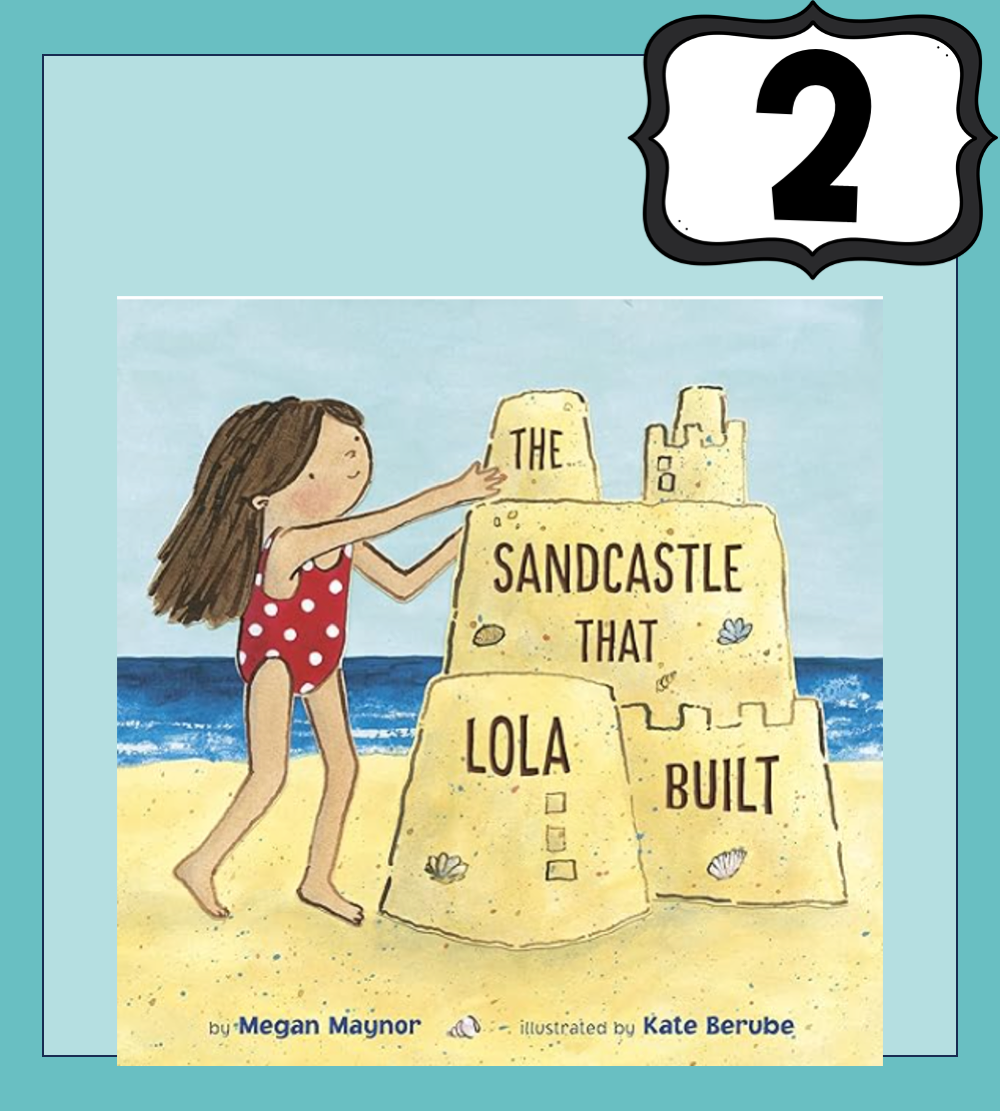
The Sandcastle That Lola Built by Megan Maynor
A creative twist on "The House That Jack Built," this story follows Lola as she constructs an elaborate sandcastle, making new friends along the way. It's a charming tale of collaboration and summer fun.


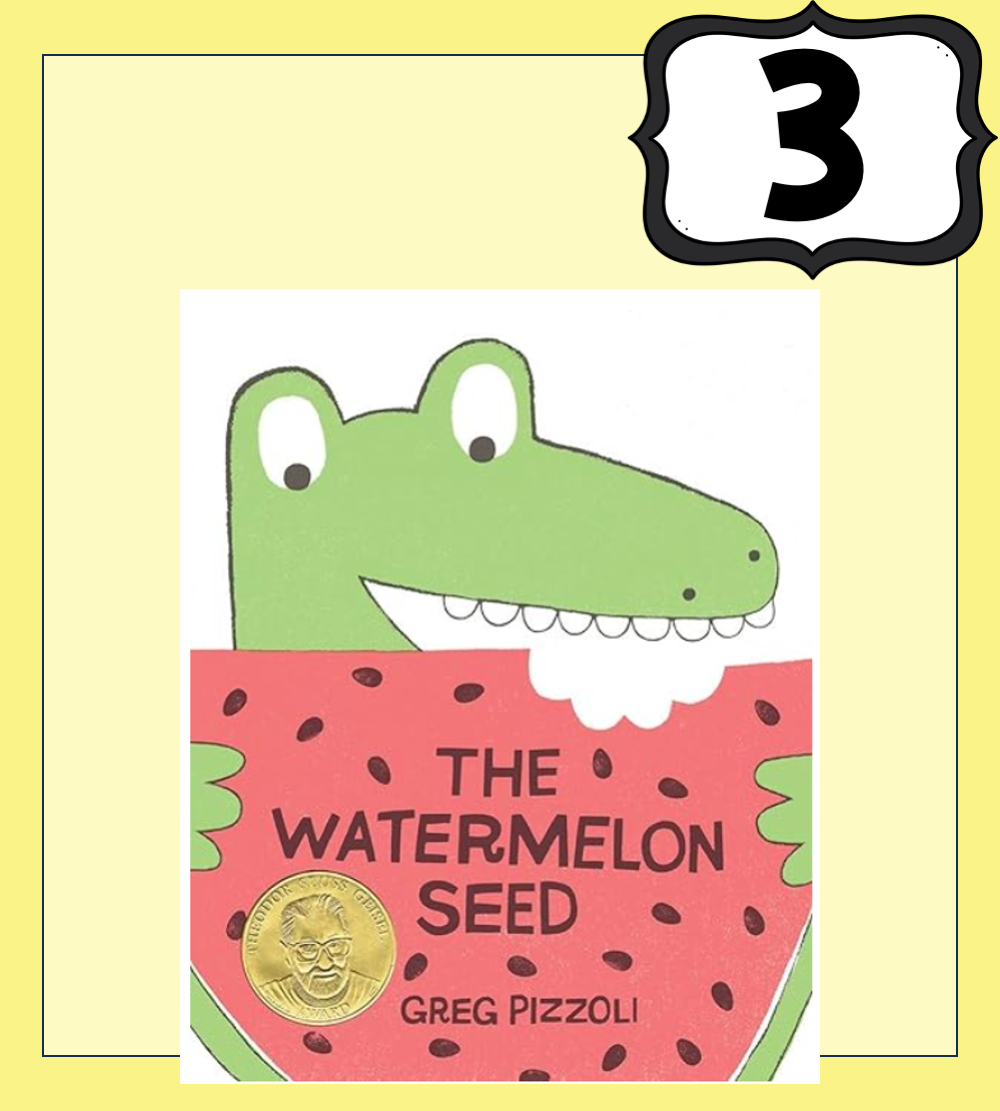
The Watermelon Seed by Greg Pizzoli
A humorous story about a crocodile who loves watermelon but fears swallowing a seed. It's a delightful read that captures a common childhood worry with a summer favorite fruit.


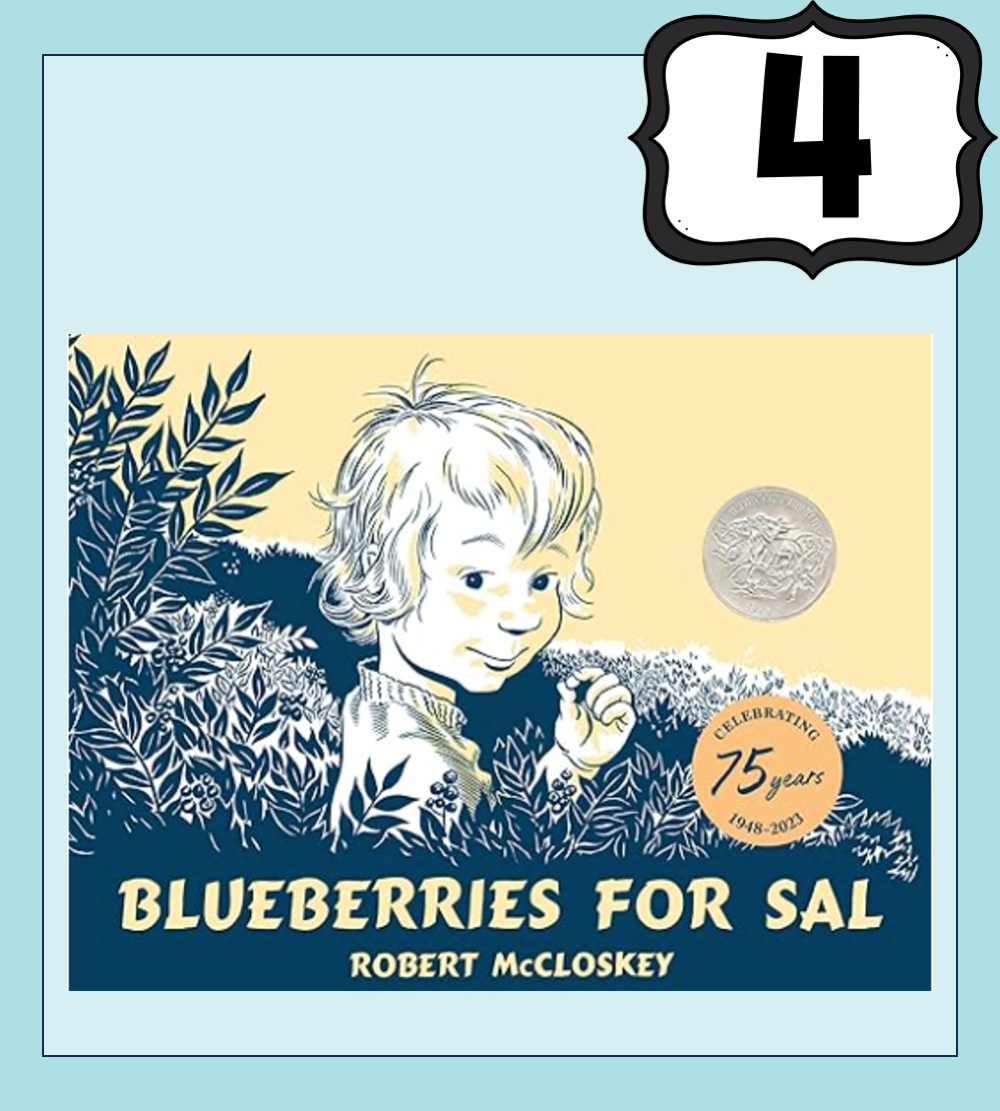
Blueberries for Sal by Robert McCloskey

This 1948 Caldecott Honor book follows young Sal and her mother as they pick blueberries in Maine, paralleling the journey of a bear cub and his mother. It's a charming tale of childhood curiosity and nature's bounty.


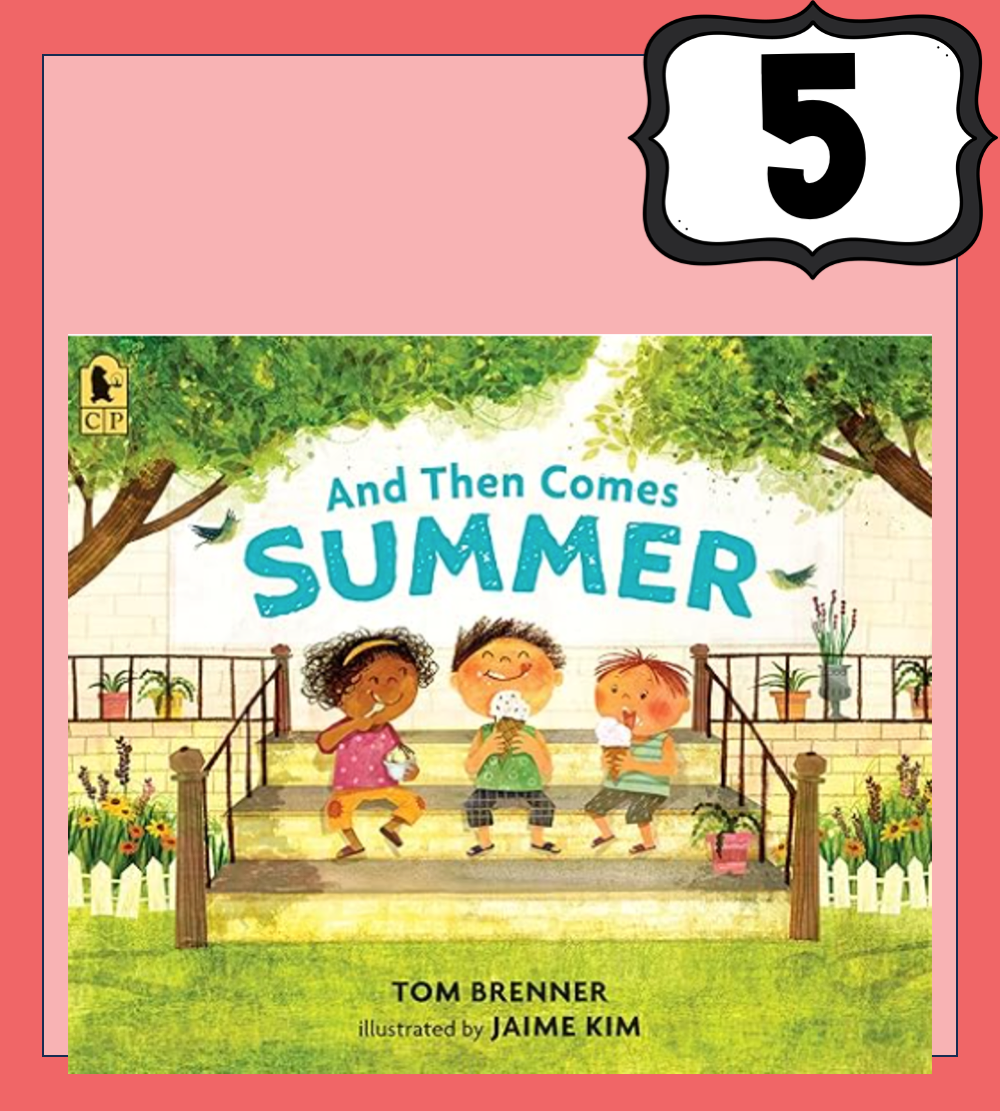
And Then Comes Summer by Tom Brenner

This book captures the anticipation and joy of summer's arrival, highlighting activities like lemonade stands, bike rides, and fireworks. It's a celebration of seasonal traditions.


Hot Dog by Doug Salati

A 2024 Caldecott Medal winner, this book follows a dachshund escaping the city's heat for a beach adventure. With minimal text and expressive illustrations, it captures the essence of a summer day.


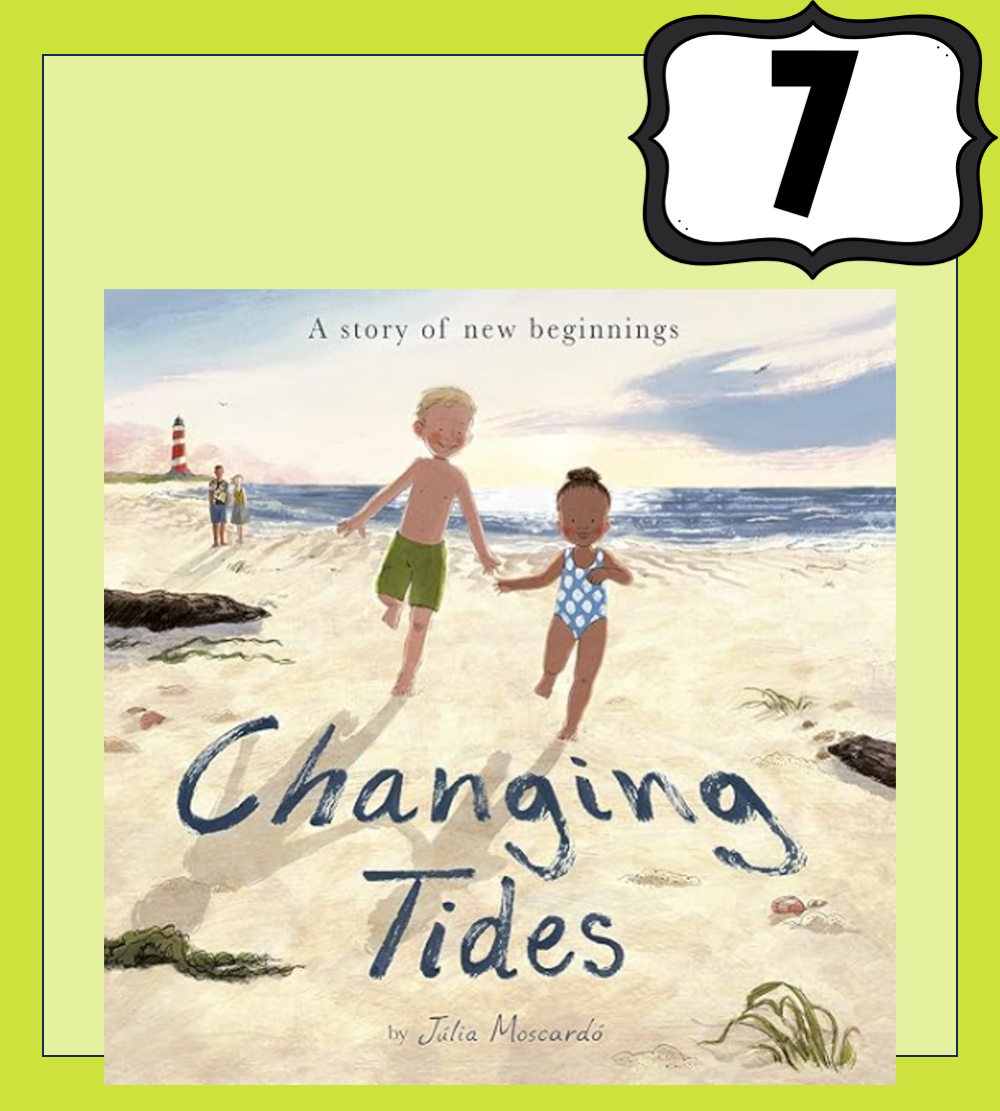
Changing Tides by Júlia Moscardó

This beautifully illustrated story delves into family dynamics and the art of building sandcastles, symbolizing the shifting nature of relationships and the passage of time during summer.


When Grandma Gives You a Lemon Tree by Jamie L.B. Deenihan

A young girl learns to appreciate unexpected gifts when her grandmother gives her a lemon tree instead of the electronics she wanted. It's a story about patience, care, and the sweet rewards of hard work.


Integrate Reading with Creative Activities

Pairing picture book reading with creative projects can deepen comprehension and make reading more interactive. Activities such as drawing scenes from the story, creating character puppets, or writing alternative endings encourage students to think critically about the text and express their understanding creatively.

Involve Families in the Reading Process

Encouraging families to participate in summer reading can reinforce its importance and create a supportive reading environment at home. Providing families with reading tips, book lists, and discussion questions can facilitate meaningful reading experiences outside the classroom.

Host a Summer Reading Celebration

Organizing a reading celebration at the end of the summer can motivate students to read and recognize their efforts. This event could include sharing favorite books, displaying artwork inspired by readings, or even a small awards ceremony to celebrate reading milestones.

​As summer approaches, elementary educators have a unique opportunity to inspire a love for reading that extends beyond the classroom. By incorporating summer-themed picture books into various activities—such as outdoor reading sessions, creative art projects, and family engagement initiatives—teachers can make reading an enjoyable part of students' summer experiences. These strategies not only help maintain literacy skills but also foster a lifelong appreciation for books. Encouraging students to explore stories that resonate with their interests and experiences can lead to deeper connections and a more meaningful engagement with reading. As educators, your enthusiasm and creativity in presenting these books can leave a lasting impression, motivating students to continue their reading journeys independently. Let's embrace the summer as a season of exploration, imagination, and growth through the pages of captivating picture books. Together, we can cultivate a community of enthusiastic young readers ready to discover the endless adventures that books have to offer.


LinkWithin

Related Posts Plugin for WordPress, Blogger...