Image Map

Wednesday, January 4, 2023

My 5 Easy Steps To A Smooth Writers Workshop Block


Writing is an important skill that our students need to learn, and should be a part of our daily schedule each week. It is amazing to see the improvement of our students’ writing when we are including it as part of our daily schedule. You can have your students write daily with just a few simple steps and systems. 
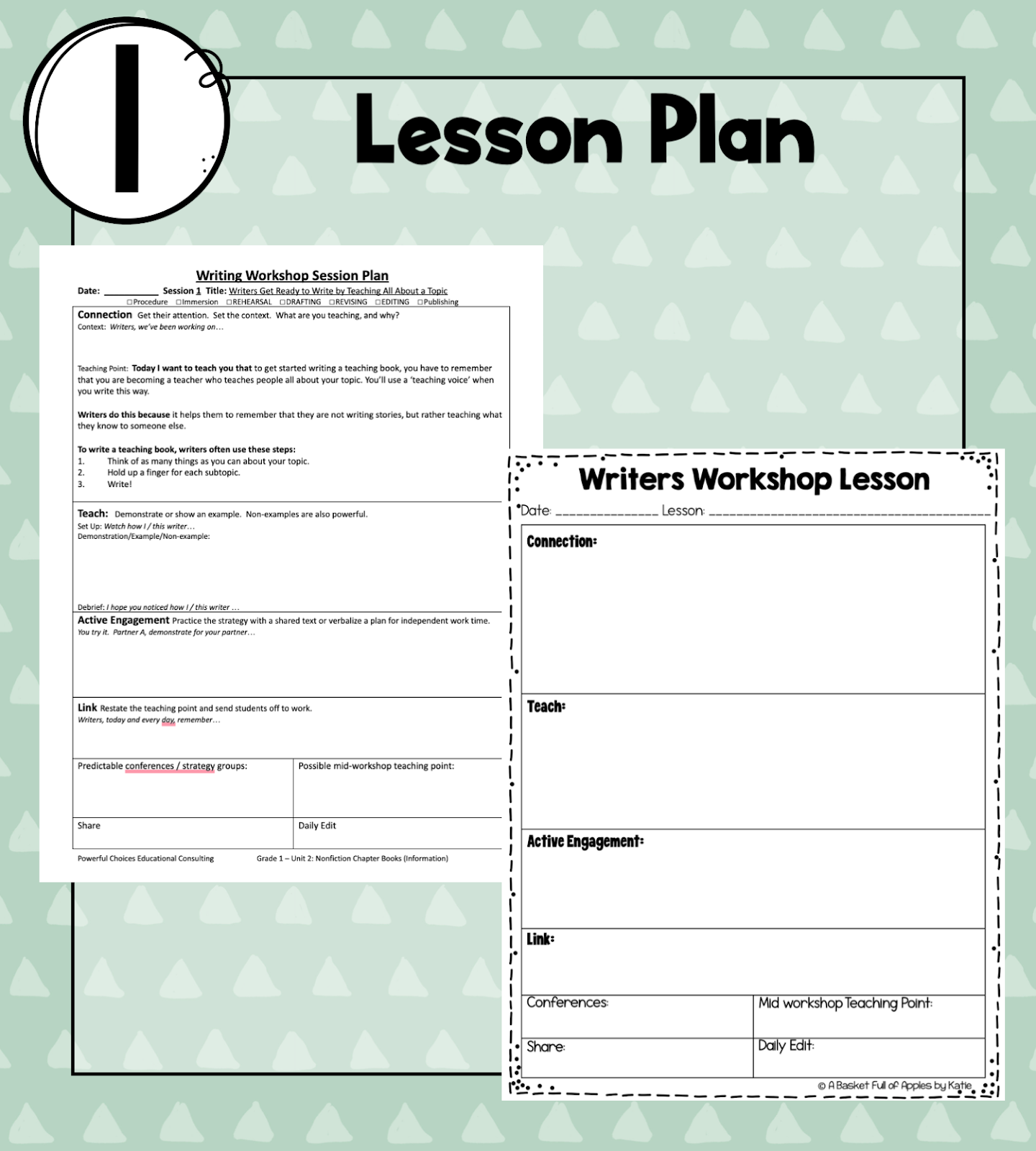


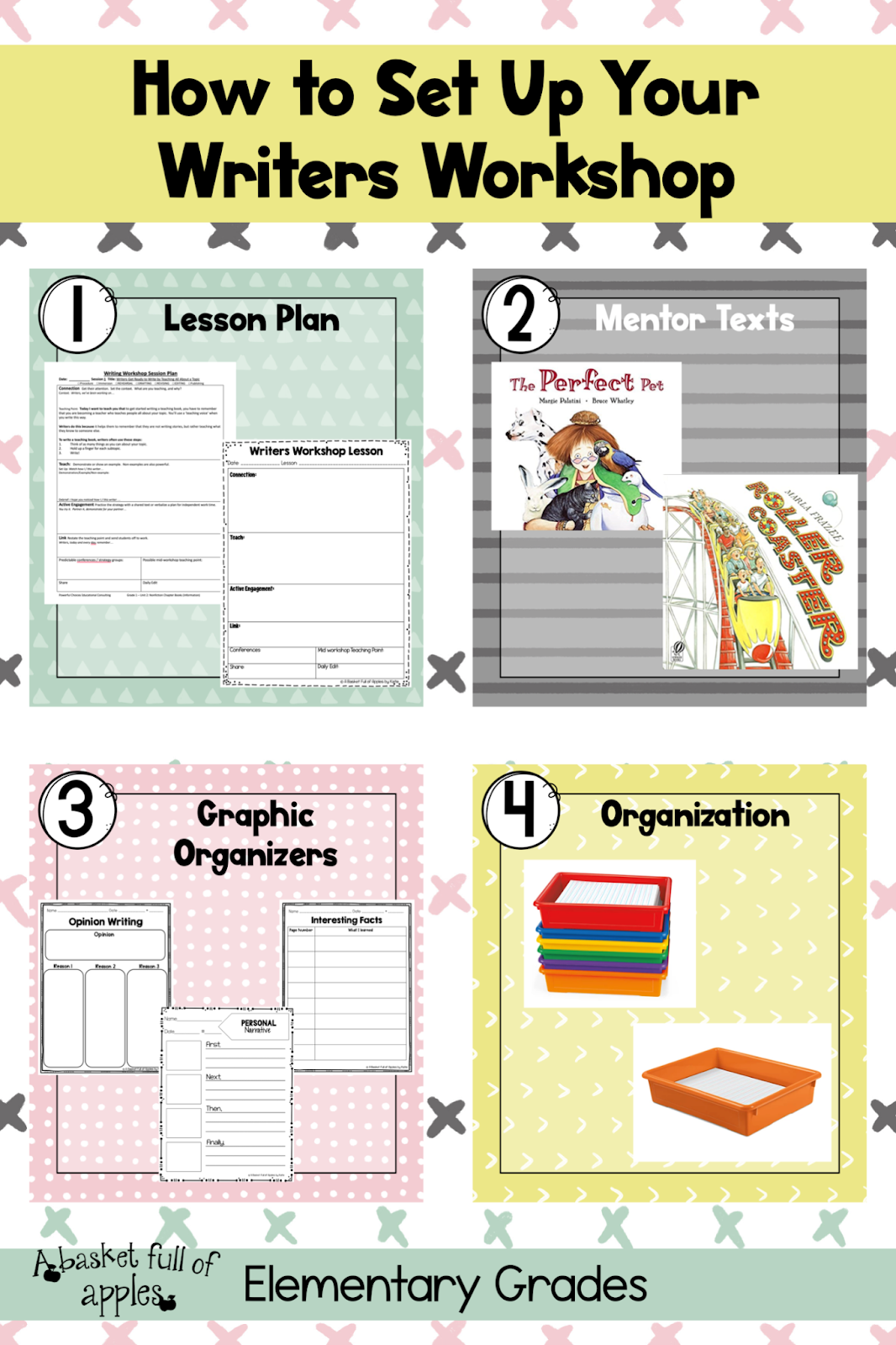
     One of the most important parts of Writers Workshop is the mini-lesson. I like to use concepts that I see my students having a hard time with and then incorporate that into a mini-lesson. The mini-lesson can be a grammar skill you see a lot of your students struggling with, or it can be a writing skill like word choice or sentence types that your students have trouble with. The mini-lesson should not be more than 10 - 15 minutes. We don’t want to have our students sitting there for a long time, instead, we want to get them to their writing. 
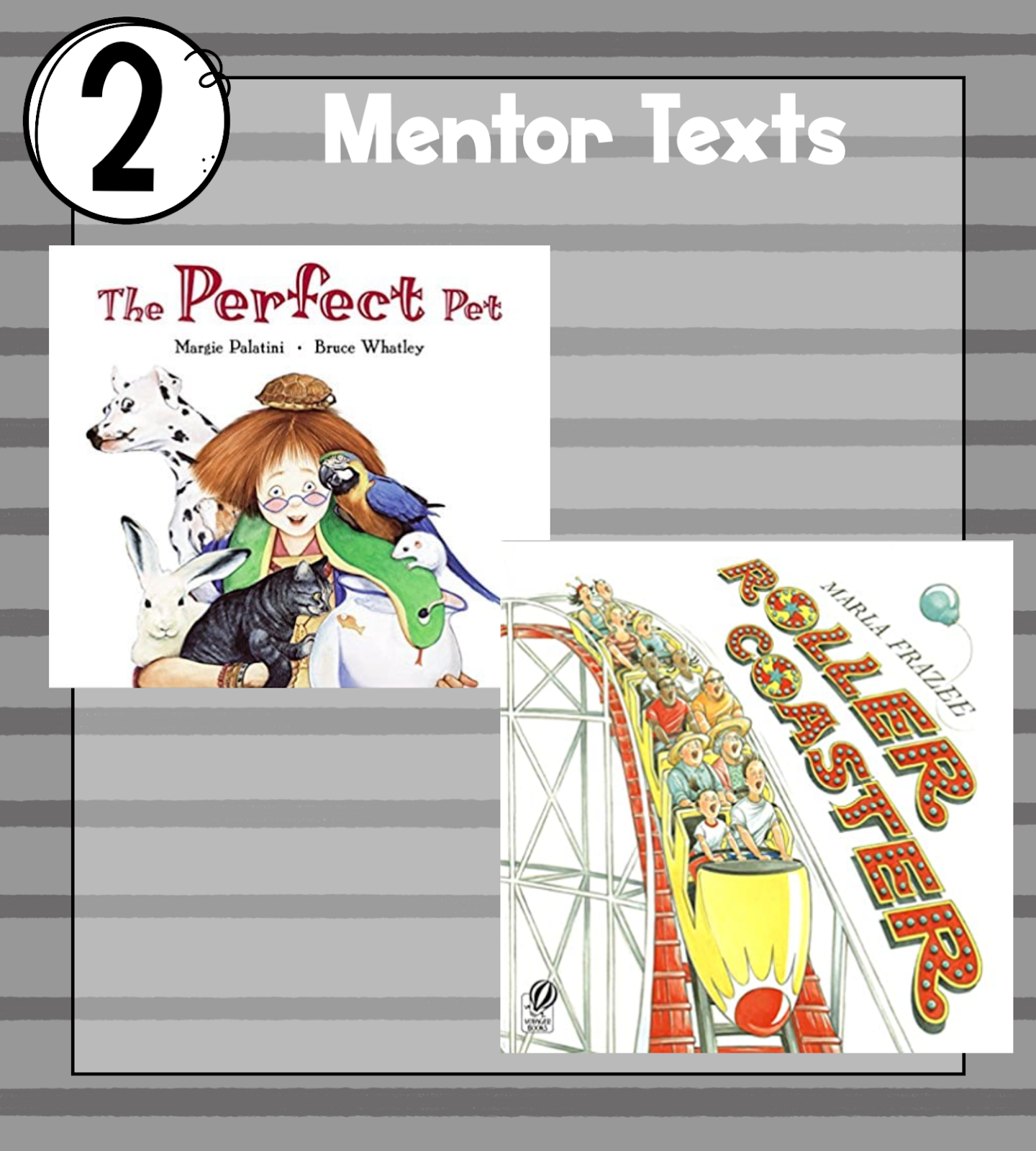


     The next step in running an excellent Writers Workshop block is mentor texts. Bringing in books that focus on different skills as writers is a great way to help students understand what they should add to their own writing. I like to start each new unit with a couple books that fall in that genre of writing. There are so many great books out there that go along with each of the different genres of writing that we teach. I usually display the books on the smart board so all my students can see the pages as we are reading. This also makes for a great way to discuss the books and ideas to add to their writing because all of the students can see the pages. 
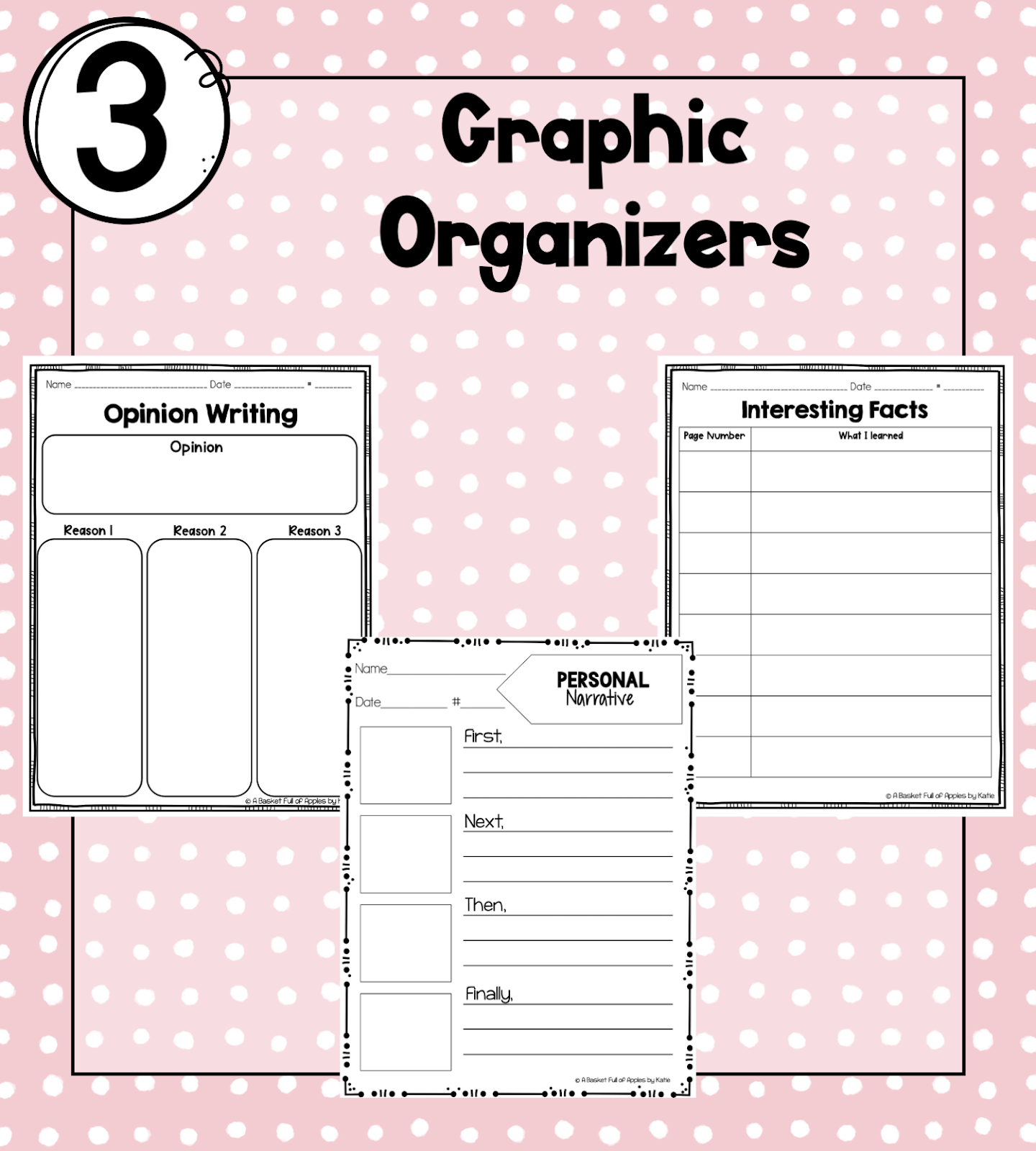


     I use lots of graphic organizers during our Writers Workshop block. Graphic organizers are great because you can reuse the same organizers for the whole writing unit. This allows your students to get used to the organizers that are being used. This also makes it so I can reuse the organizers year after year. Just make the tweaks you need to make for each new year. Graphic organizers make my life so much easier and after the first few weeks of school, the students know exactly what to do with each organizer and how to use them. When my students need to add more pages to their writing they just go and grab the organizer that they need. Some students will only use one or two organizers, and some will use a lot more. Using graphic organizers makes it easy for my students to transfer their work to regular paper. As they finish their writing, they meet with me for a conference to go over it and make sure they are ready for the next step.  I love the functionality of graphic organizers, and my students love them too!
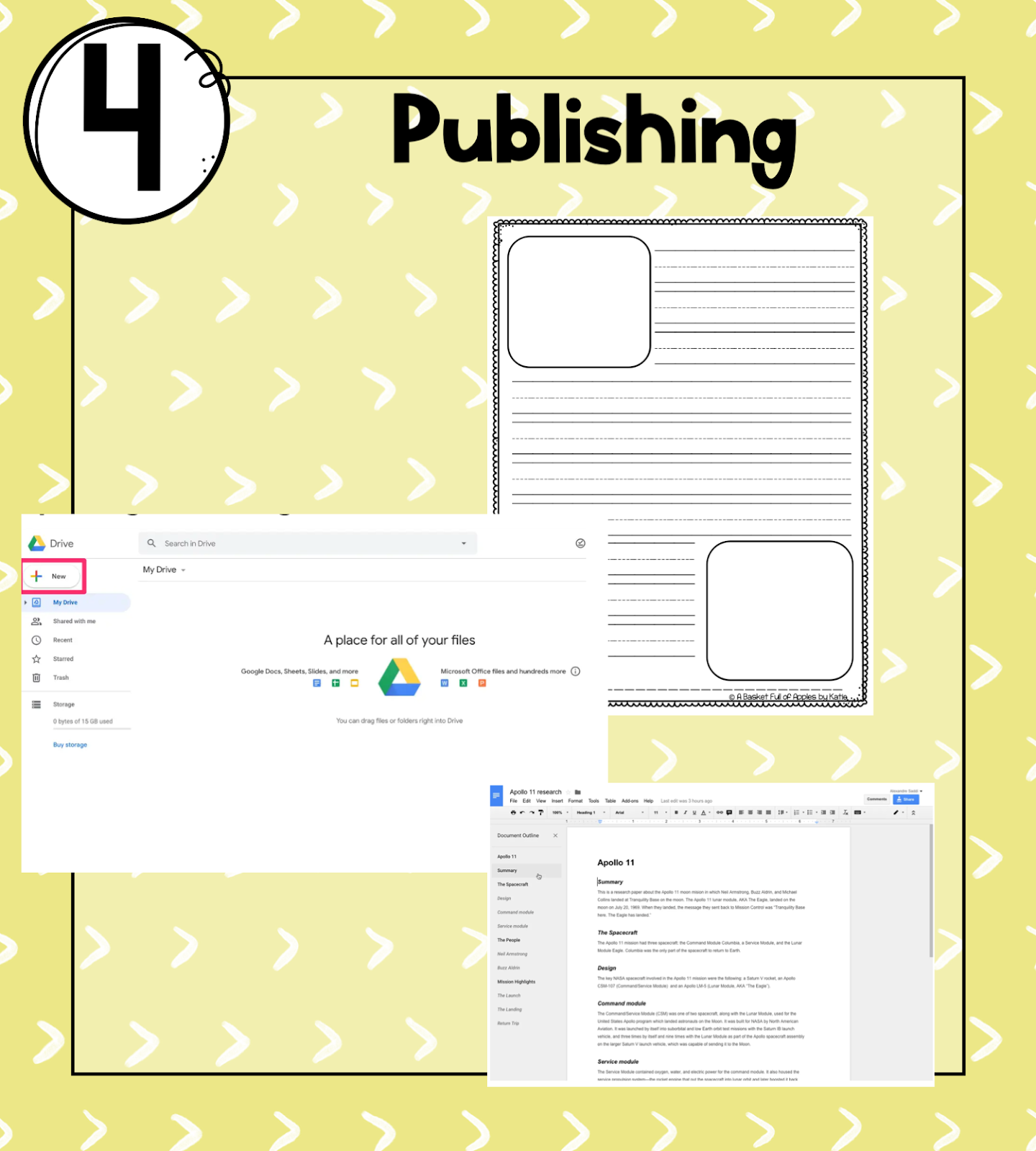


    The next part of a smooth Writers Workshop block is publishing. Once the students are done with their writing and they have met with me to go over it, they are ready to publish. The publishing process can be done in a couple of different ways. Some teachers really like their students to hand write everything out on paper. Other teachers like to make everything digital. I like to do a hybrid of the two. After the conference with me, my students get a publishing paper and write their piece on the paper. Just like the graphic organizers, I always have plenty of extras out for my students so they can just grab what they need on their own. Once they have written out their published piece on paper, they then type it on the computer. I have them use Google Docs to do this. I create an assignment in Google classroom and then they are able to type their piece. I like to have them type it also because they need the practice with typing for state testing. The more opportunities we can give them to type, the better. Also, when they type their work, all of their published pieces are organized and in their Google Drive and this makes it easy to add work to their digital portfolios. 
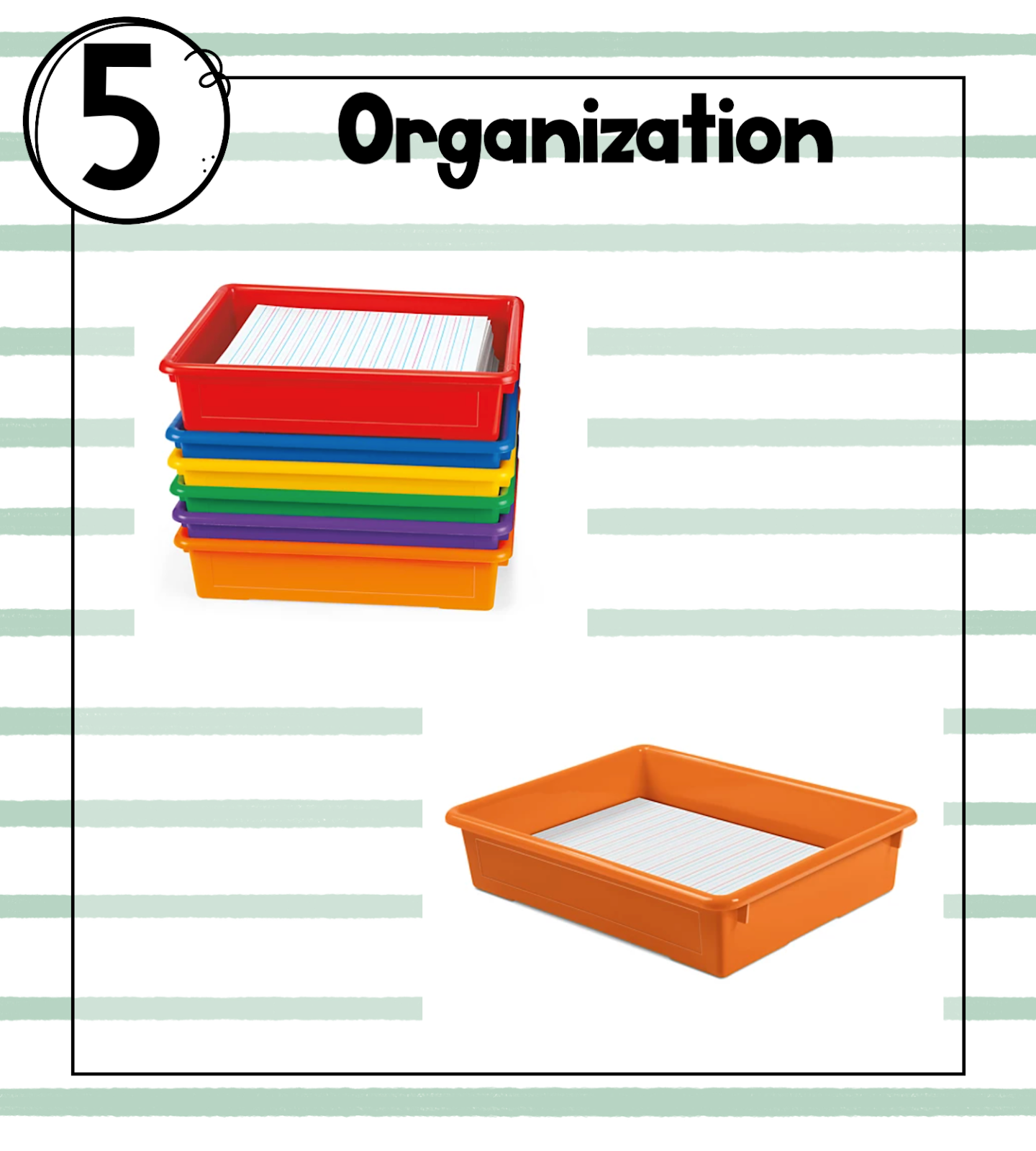


     The last part of running a smooth Writers Workshop block is the organization. I like to keep these paper trays from Lakeshore Learning around the room. I have a spot in the classroom for all our writing materials. I l keep our graphic organizers, rough draft paper, and publishing paper in the boxes. Once the students learn how to use the different papers and where to find them, it makes our writing time run so smoothly. Students just get up, grab what they need, and then return to their seats. Having the supplies organized is so important. I love being able to help my students become independent learners. 


     With just a few simple steps you can have your students writing every day. Your Writers Workshop will be so organized that you can run your sessions in a snap. Your students will become better writers and be begging for writing time. What step in the Writers Workshop block are you most excited to try in your classroom? Tell me in the comments! 



Wednesday, December 7, 2022

My Top 5 Picture Books for Celebrating Christmas in the Classroom

Christmas is one of my favorite holidays and times of the year. At this time of year I love to share my favorite picture books with my students. Do you enjoy sharing picture books with your students? Take a look at my list of favorite books and let me know what you think!


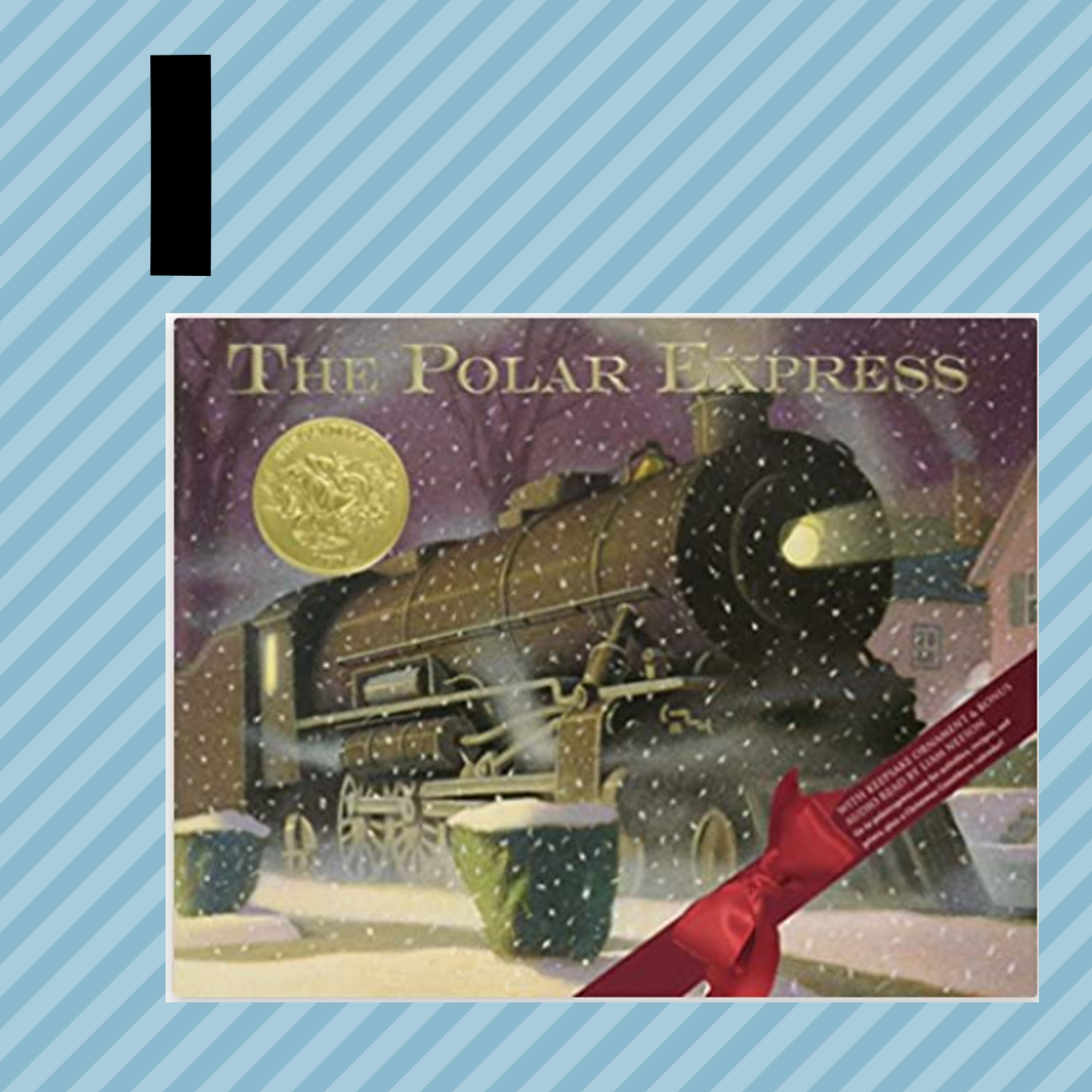
The first book on my list is The Polar Express. This is a really fun book about the magic of Christmas and Santa. I love sharing this story with my students. Our favorite thing to do is come to school with our PJ’s on and enjoy this story with a cup of hot chocolate. This is a great book to enjoy on the last day of school before winter break!

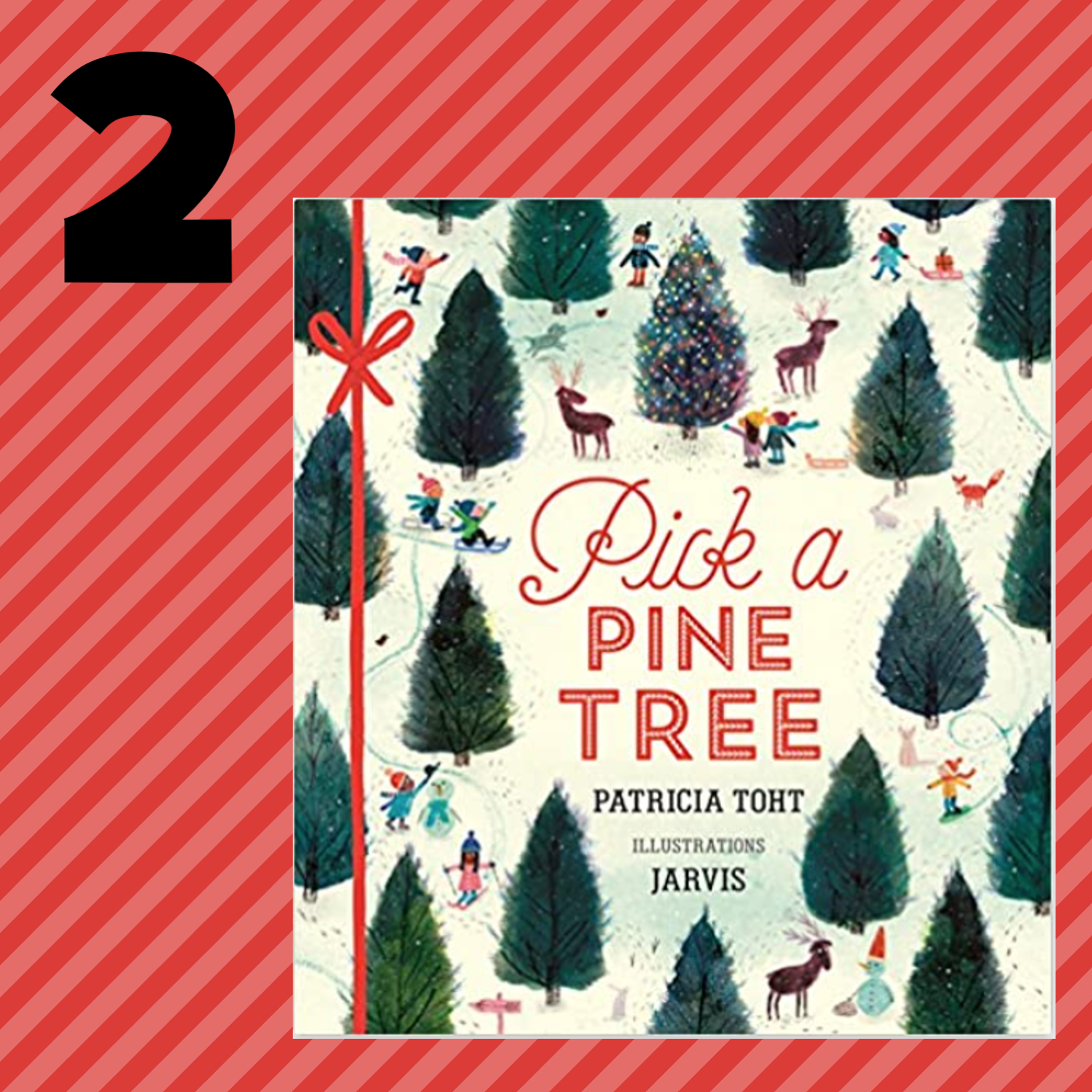
     The next book on my list is Pick a Pine Tree. This is a great story about the traditions of decorating for the holidays. It focuses on picking your Christmas tree and decorating it. I love doing a writing activity to have my students describe decorating their tree and how they would do it. 

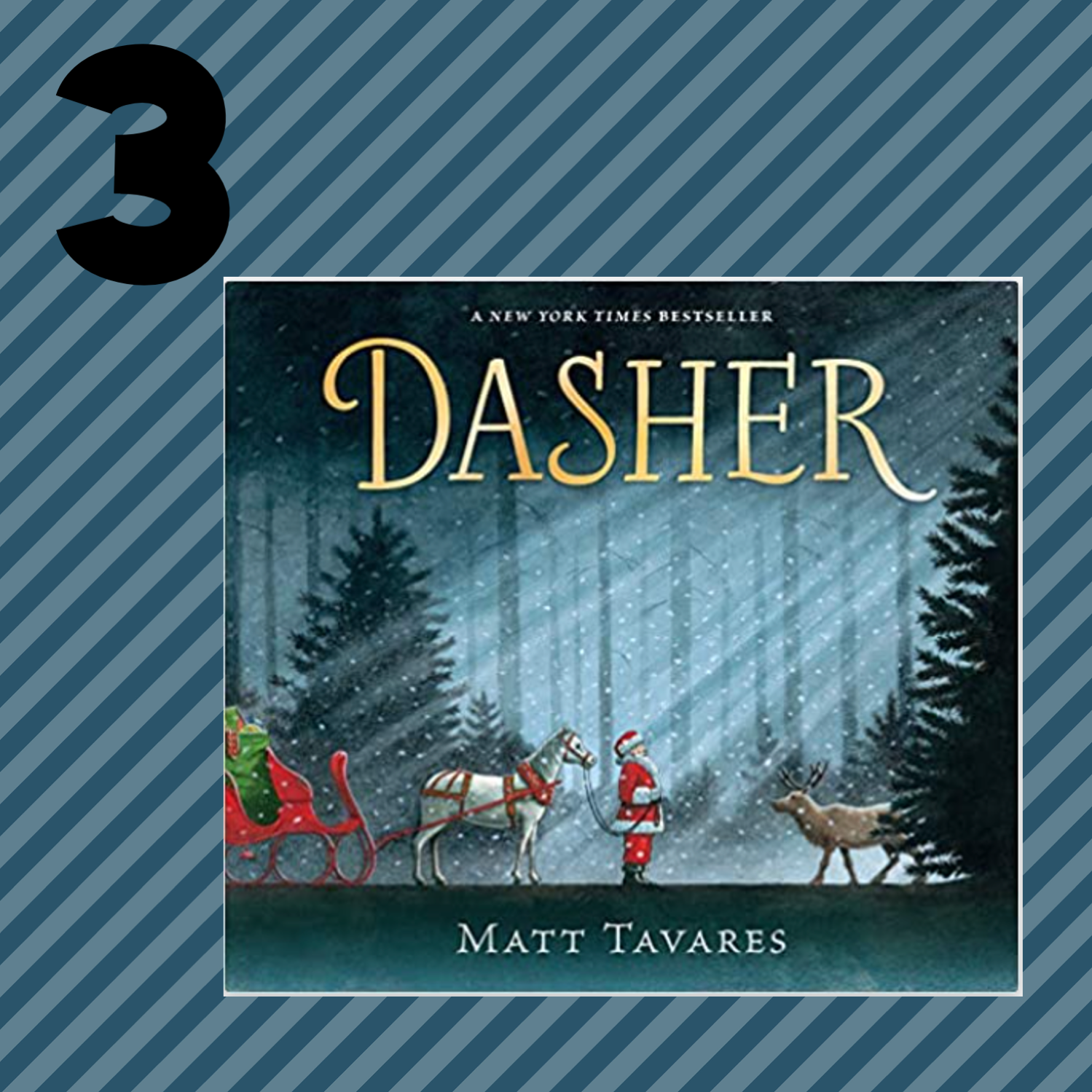
     The next story on my list of favorites is Dasher. This is a fun story about the life of Dasher the reindeer and how her life changed when she took the opportunity to work with Santa. This is always a favorite of my students. 

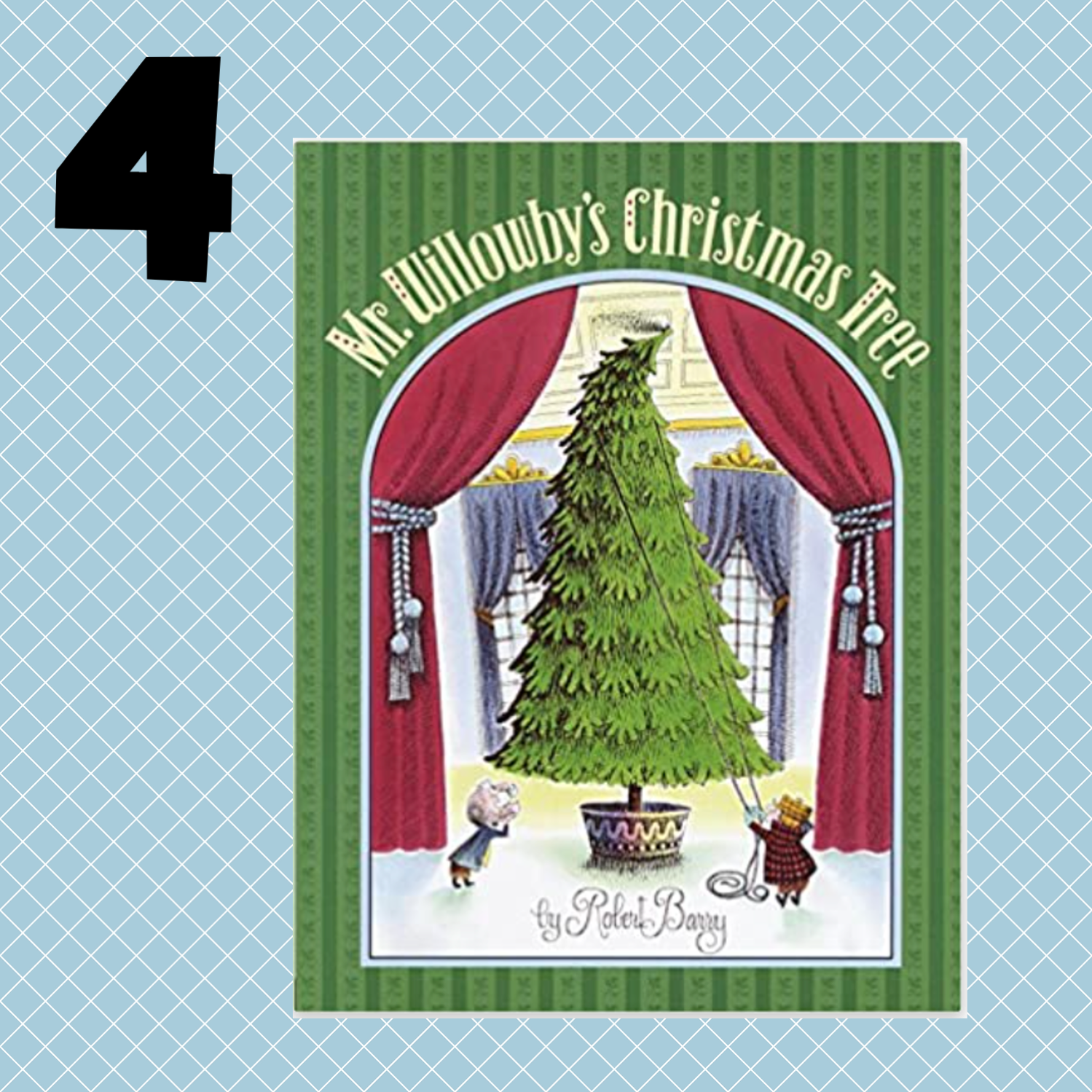
     The next book on the list is Mr. Willowby’s Christmas Tree. This is a really fun story about making Christmas special for a whole community. Mr. Willowby’s tree is too big for his house so the top of his tree gets passed around to many different houses to bring holiday cheer. This is a great story to help spread the holiday cheer in your classroom! 

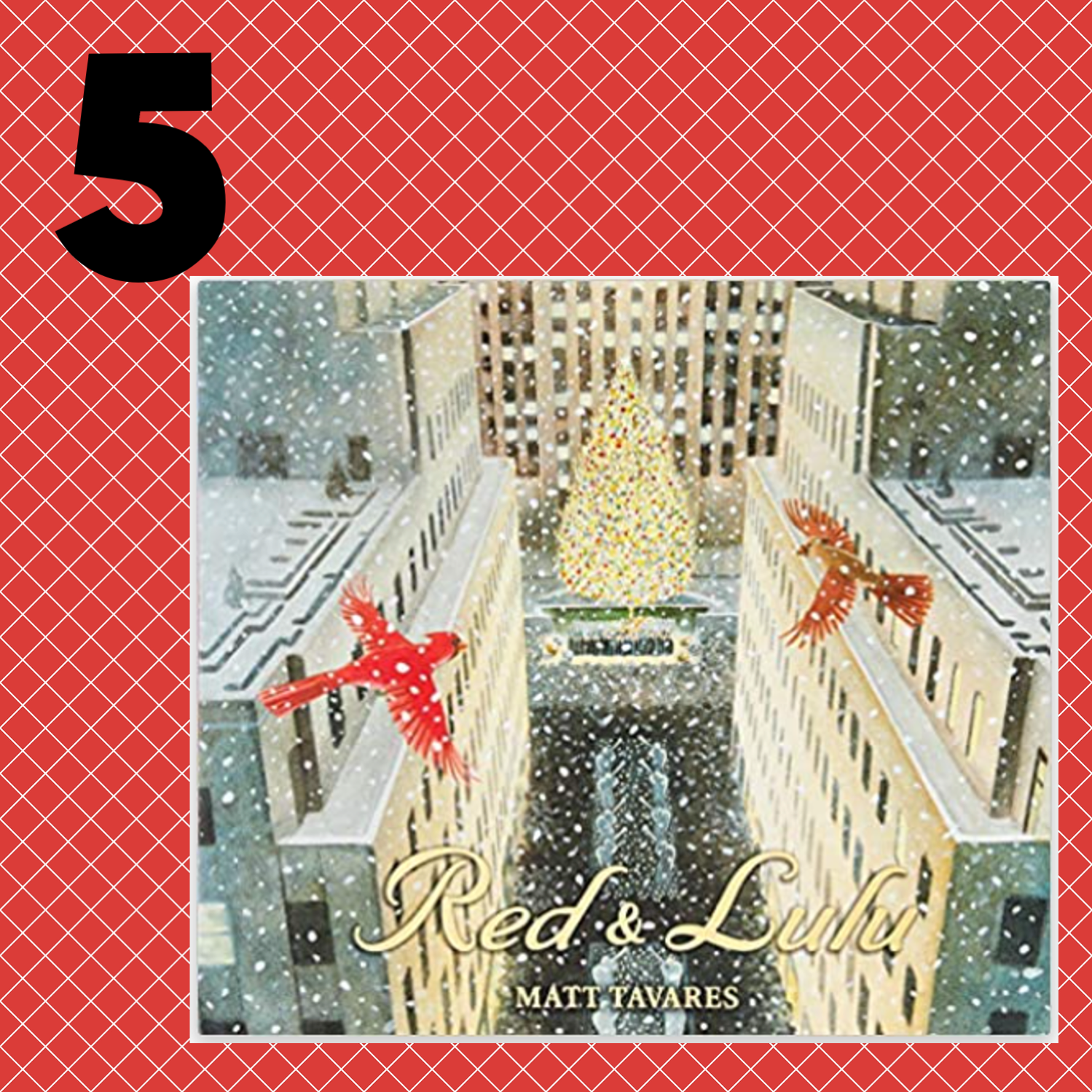
     The last book on the list is Red and Lulu. This is a great story about two birds that make their nest in a beautiful tree. Once a year the people around the tree put lights up and decorate the tree. People come from all over the country to visit the tree. One day the two birds are separated and they don’t know if they will ever find each other again. (How does it end?!?)

     Picture books are such a fun way to celebrate the holidays. Tell me in the comments what your favorite picture books are to share with your students!


Wednesday, November 2, 2022

My 4 Tips of How to Keep Your Students Engaged Before the Holidays


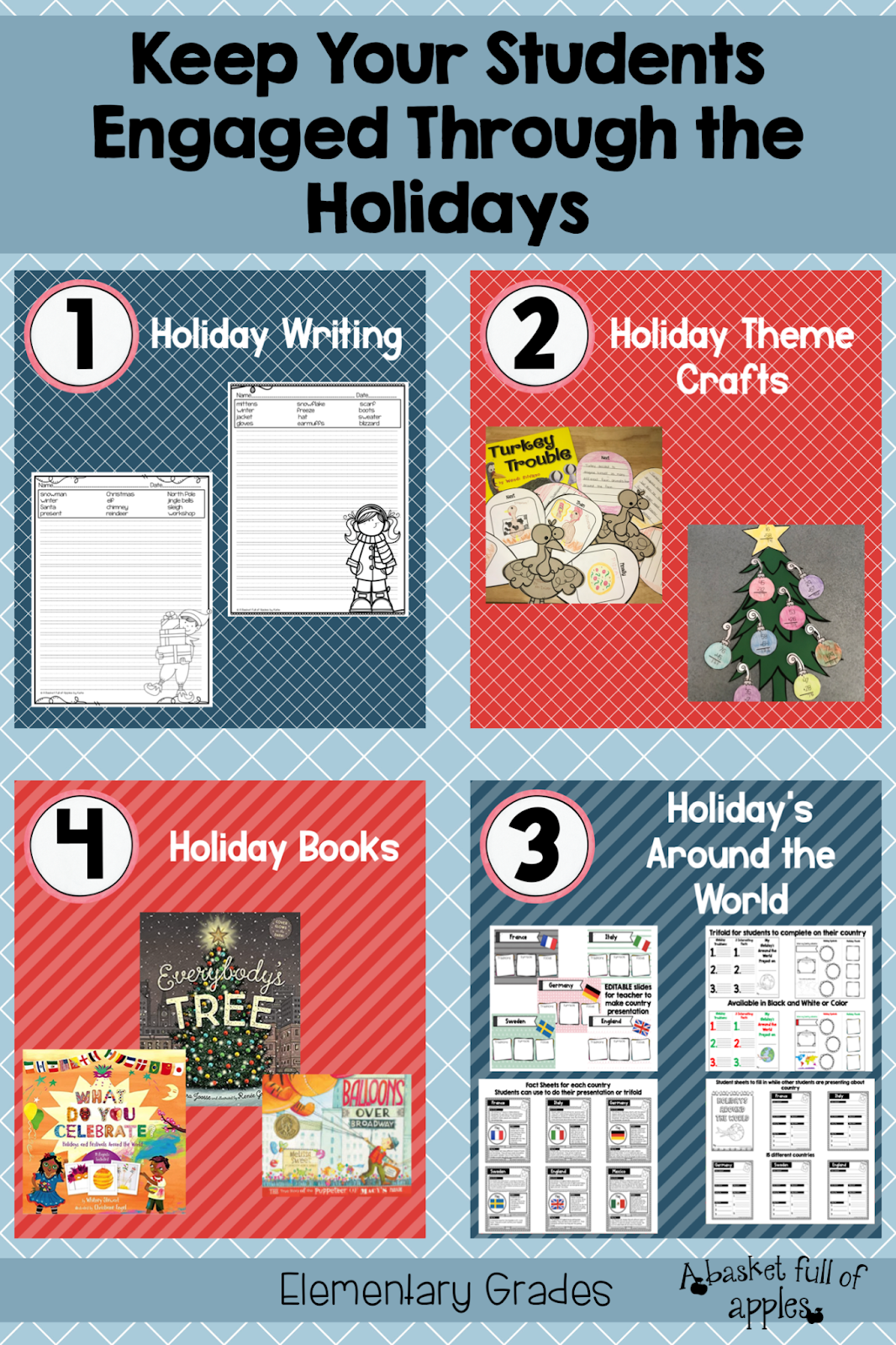
The holidays are coming, and that means that students are going to start getting excited about a break!  They are also excited for the Thanksgiving, Christmas and Hanukkah holidays. This is the time of year that we need some extra activities to help keep our students engaged. I love finding fun things for students to do so they can be excited about learning as it gets closer to the holidays. Today I am going to share some great ideas that I use in my classroom with my students as it gets closer to this time of the year! 


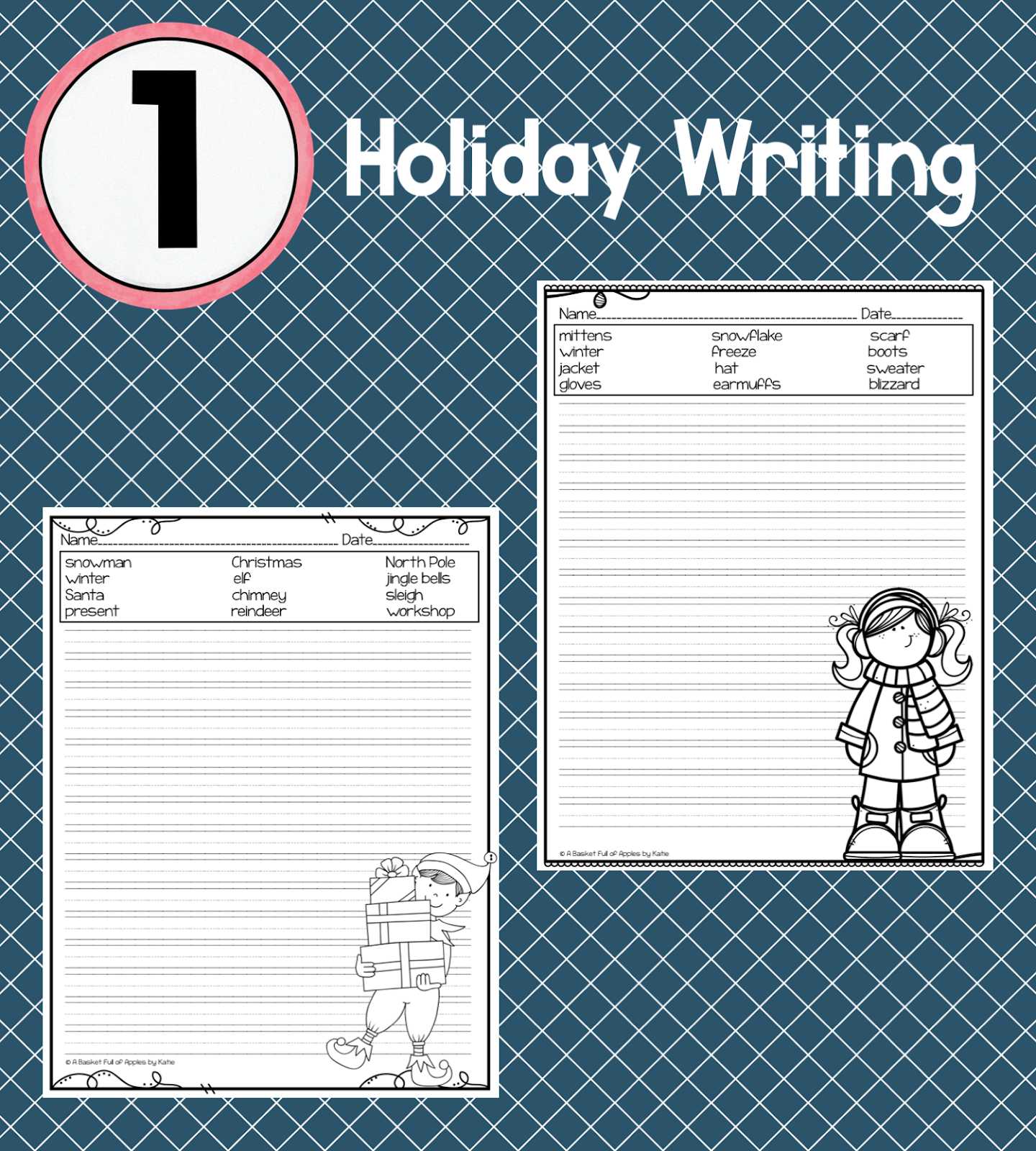
     Incorporating writing into our day is important. I use holiday writing prompts as much as I can. My students get so excited to see fun topics that focus on the holidays. Adding in some fun writing activities will help your students stay engaged before the holidays. I usually add some fun writing topics that are in addition to our normal writer's workshop block. 


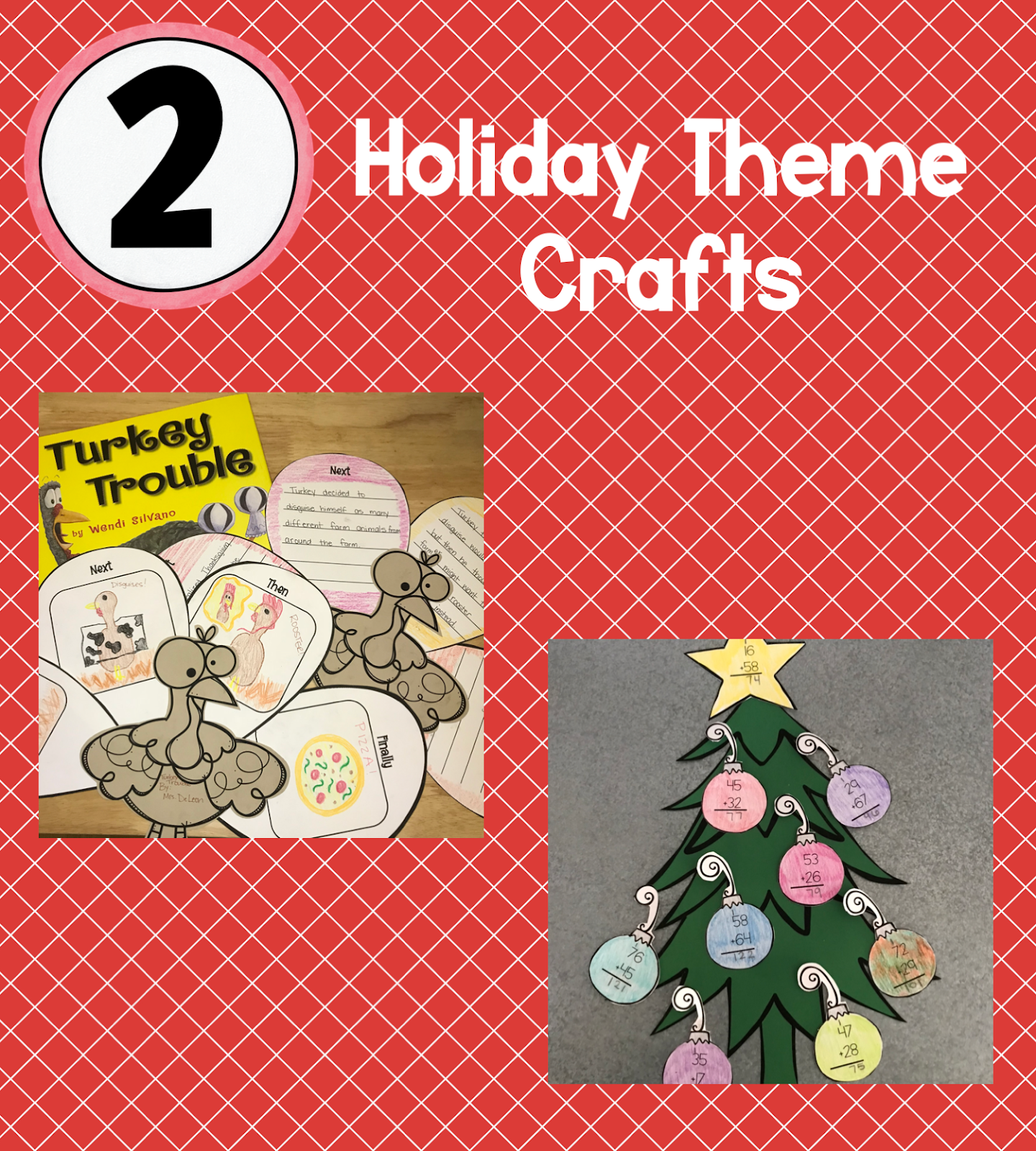
     Holiday themed crafts are another great way to help keep your students engaged. When you add in a craft for your students to show their learning, it always helps to keep your students invested. You can use crafts with content for reading, writing and math. Crafts are a great way to display the content your students are learning around your classroom. This helps to decorate for the holidays and your students will love getting to do crafts so much, they won’t even realize they are showing what they have learned. They will also enjoy seeing their work around the classroom. 


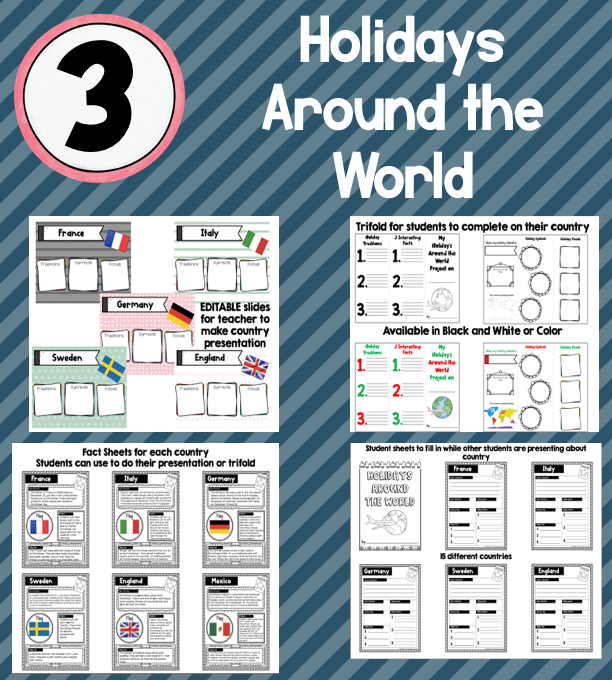
     Another activity that I like to do before the winter holiday break is a Holidays Around the World Unit. I tie this in with our reading unit as well as our social studies unit. My students always enjoy researching about the winter holidays in different countries and then presenting what they learned to the class. My students really like creating crafts for the different countries and holidays as well as trying some of the different holiday treats that come from the different countries. This is always a highlight of our holiday celebrations in the classroom. 


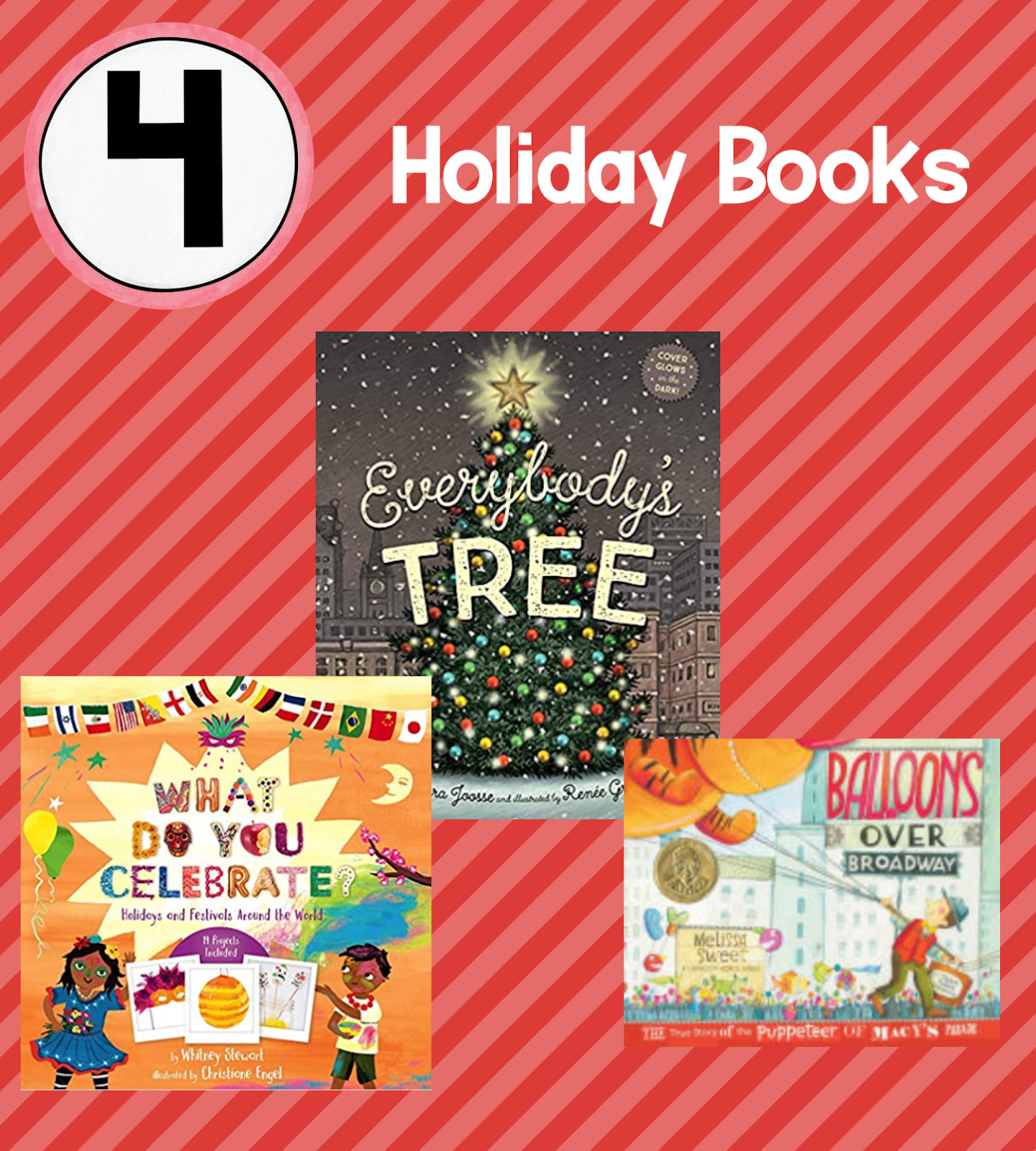
     The final idea that I always bring into the classroom to help keep my students engaged before the holidays is picture books. I love to read to my class and introduce them to new books. The holidays are the perfect time to share new stories that your students have not heard before. There are so many wonderful books about the different fall and winter holidays that can be shared. My students get so excited when I have a new book to share with them. I usually tie new books into our reading time. But I will also share fun books at different times throughout the day. I really like to read to my class after lunch to help calm them down and this is a great time to share new, fun holiday books with them. 


     There are so many wonderful activities that you can share with your class to help them stay engaged before the holidays. Today I shared some of my favorites. What are some of your must do holiday activities to help keep your class engaged before the break? Share your ideas in the comments. I can’t wait to try them out!


Wednesday, October 5, 2022

My Favorite Picture Books to Share in the Classroom Each Fall


I love sharing picture books in my classroom! Fall is one of my favorite times of year to share picture books, and today I am going to share some of my favorite picture books with you!


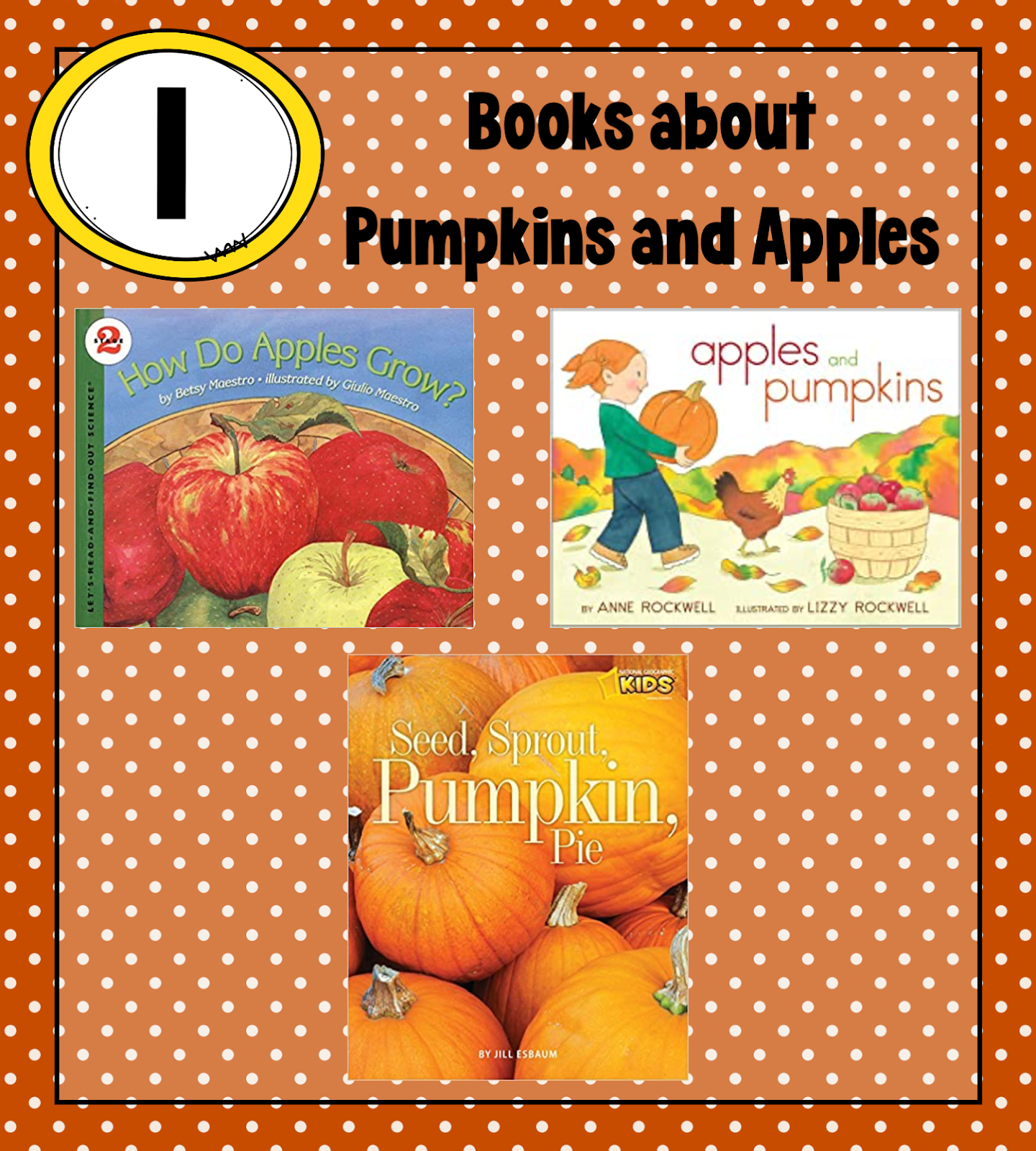
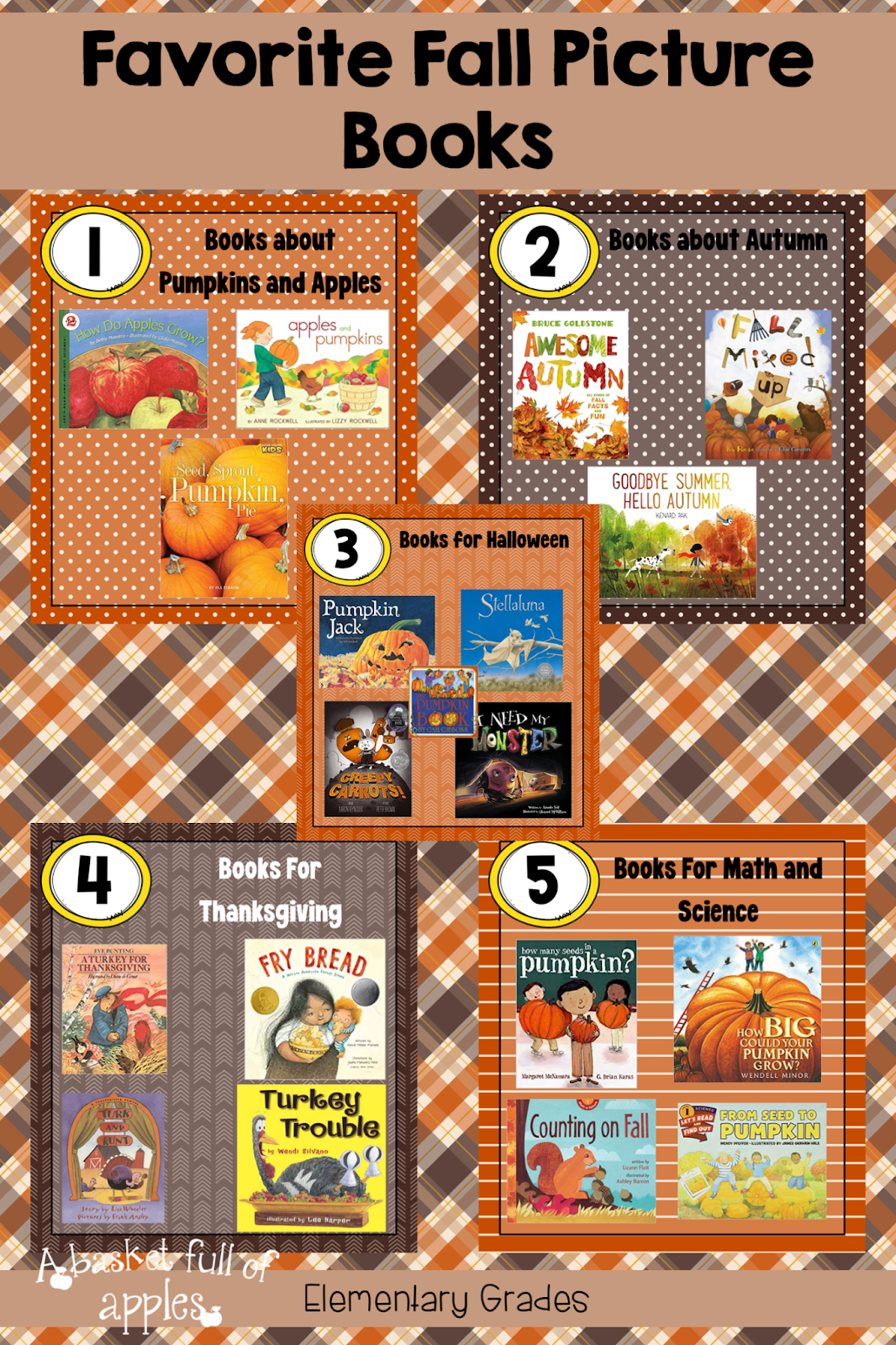
     Fall is the perfect time to learn all about apples and pumpkins. I love taking time to teach my students about how apples and pumpkins grow and what makes them special during the Fall. It is also great to have field trips for your students, like to an apple orchard or the pumpkin patch. 


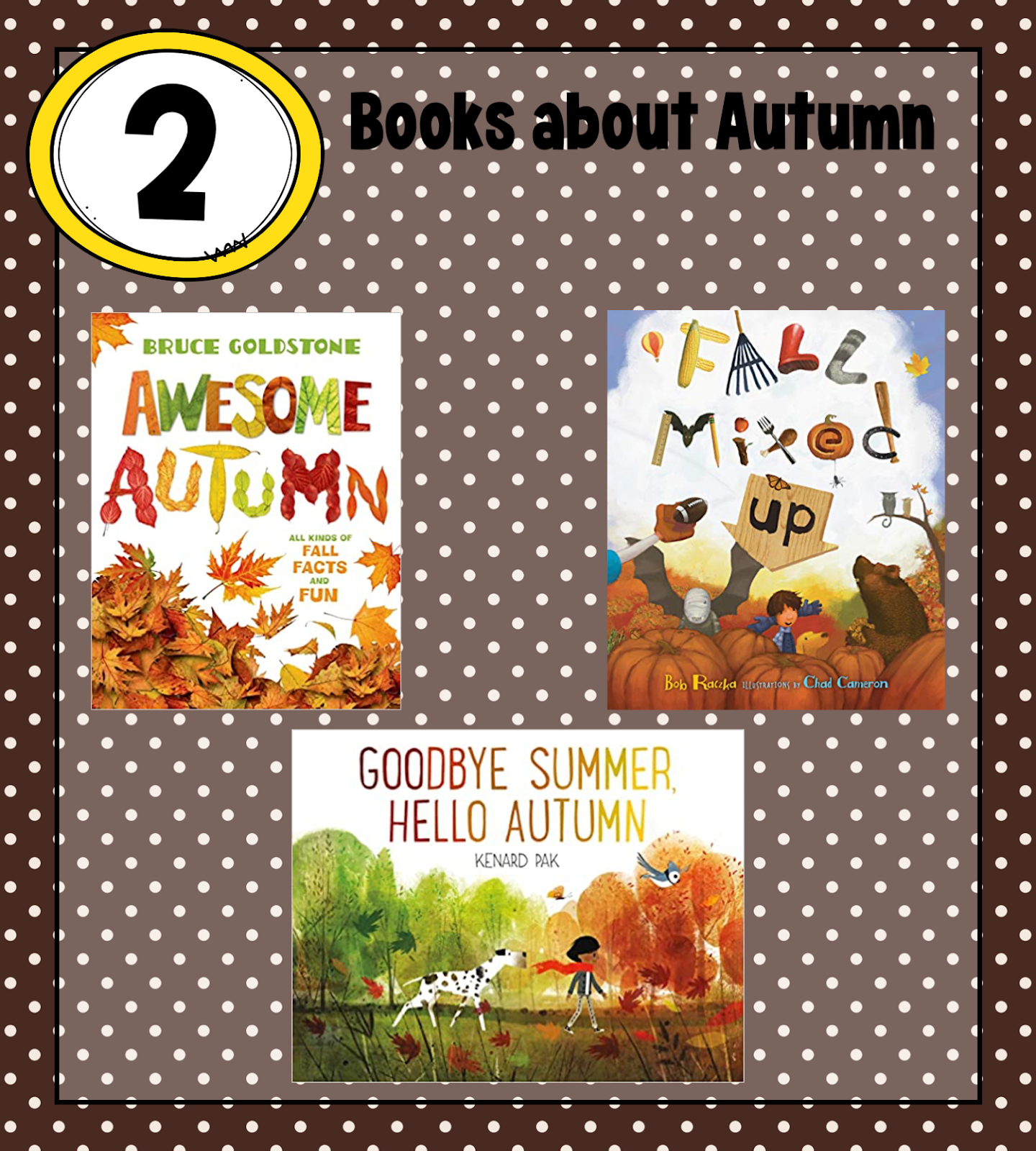
   The topic of Autumn is another great subject to share. There are so many great activities that happen in the Fall and it is really fun to read about that. Goodbye Summer, Hello Autumn is a perfect story for this. Awesome Autumn is another great picture book all about the Fall season. 


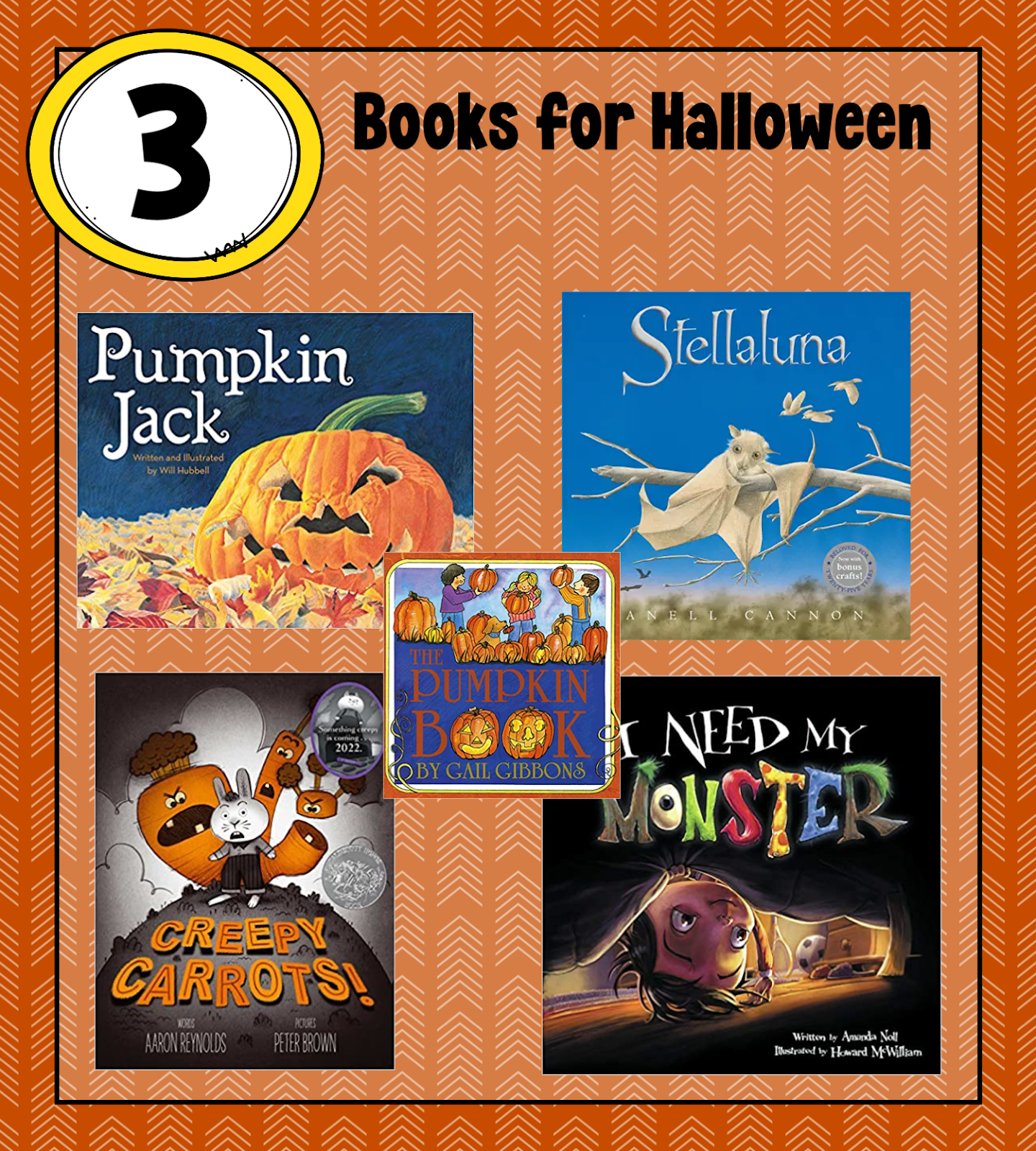
    I love using picture books for Halloween. There are so many great topics that you can cover leading up to Halloween. I like to cover a different Halloween topic and book each week leading up to the holiday. I enjoy doing a week all about spiders. Stellaluna by Janelle Cannon and Spiders by Gail Gibbons are some of my favorites. I love to do another week all about pumpkins. A couple of my favorite books for this topic are Pumpkin Jack by Will Hubble and The Pumpkin Book by Gail Gibbons. All four of these books allow students to compare fiction literature with nonfiction literature. I think it is so important to introduce nonfiction books and stories as much as possible. During the weeks leading up to Halloween, I also love to share fun stories like Creepy Carrots by Aaron Reynolds and Peter Brown and I Need My Monster by Amanda Knoll. There are so many fun books for the month of October and Halloween! 


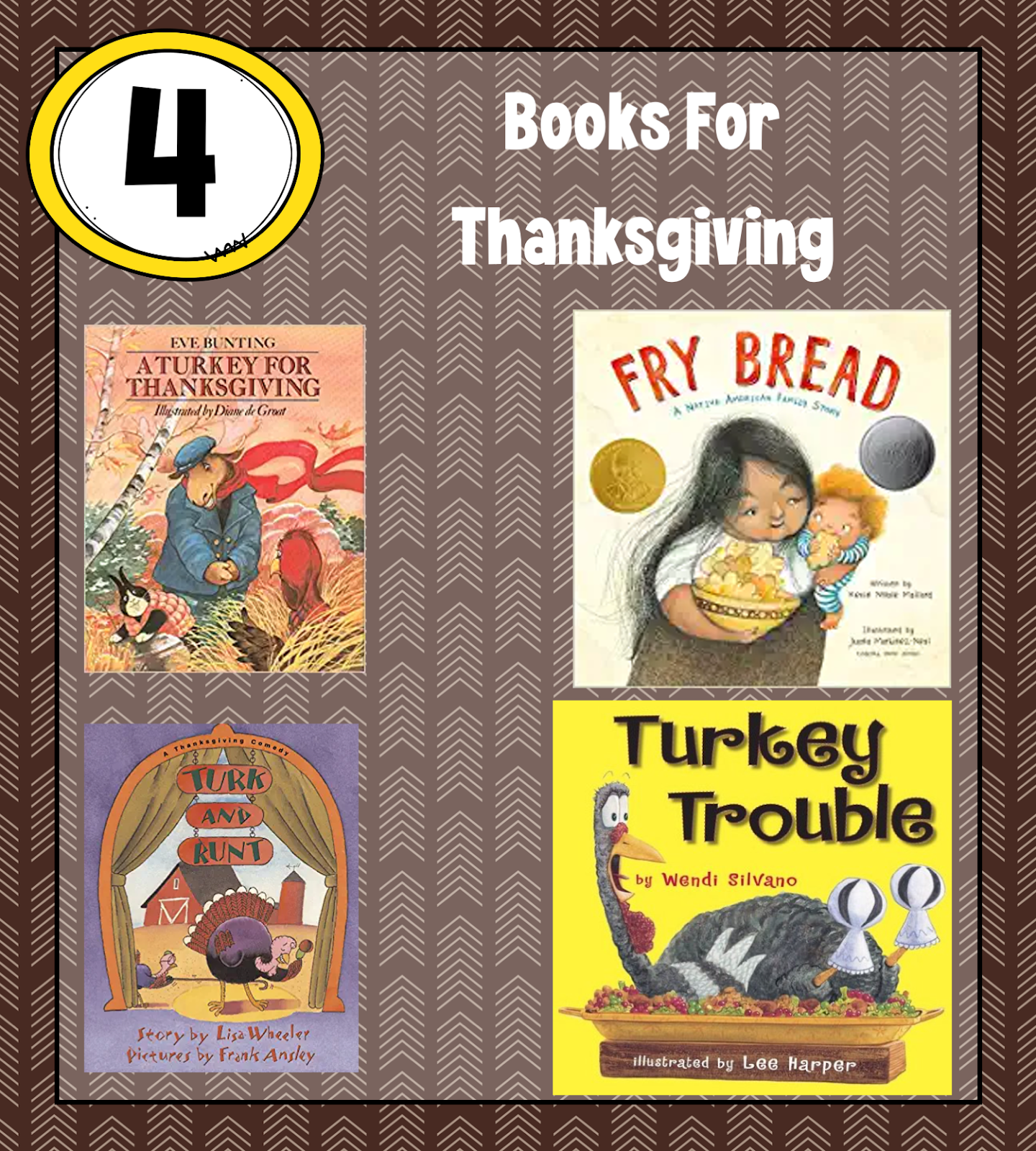
     Thanksgiving is another great time for Picture Books. I love to share Thanksgiving stories with my students all of November, but I really beef it up the week leading up to the holiday. The week before the holiday, I like to read a story each day. Sometimes I will tie it in with our reading instruction and sometimes I will read the stories for our read aloud time. The students love to listen to stories. They don’t care when you share the books, as long as they are being shared! Some of my favorites for Thanksgiving are Turk and Runt by Lisa Wheeler and A Turkey for Thanksgiving by Eve Bunting. Fry Bread is a great story about the Native Americans and how they make fry bread. This is a fun story to share leading up to Thanksgiving. 


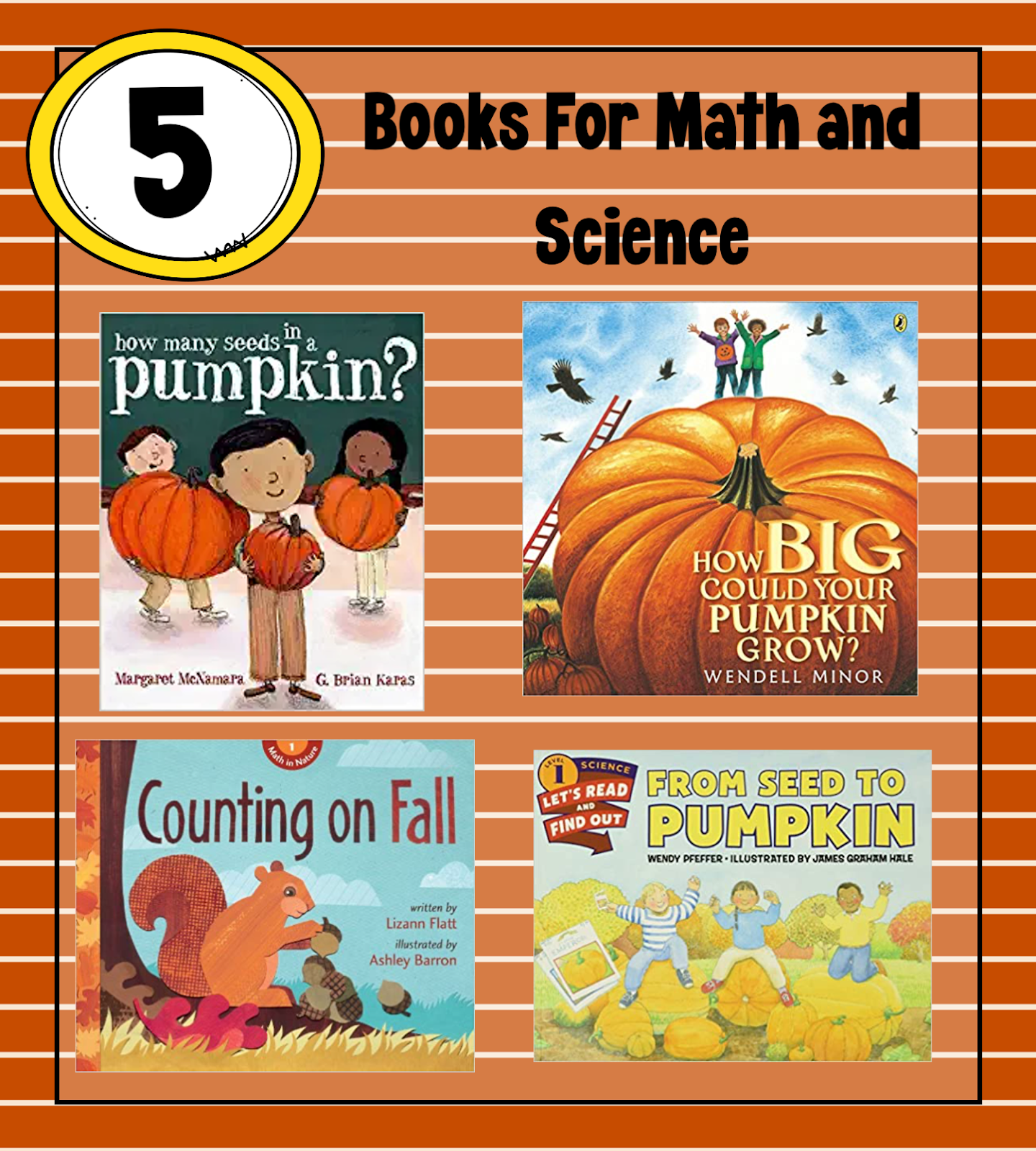
     Fall is the perfect time to read picture books that teach about math and science. One of my all time favorite books to read is How Many Seeds in a Pumpkin? By Margret McNamara. This book allows me to introduce some really interesting concepts for math and science. My students always enjoy learning about estimation. I break my students up into 3 different groups and give each group a different size pumpkin, and they count the seeds that are inside the pumpkin. It is always fun to guess the amount of seeds and then see the excitement of the kids as they realize the amount of seeds does not have anything to do with the size of the pumpkin. I also use this book to do pumpkin investigations while we have the pumpkins open. This is a highlight of the fall season for my students. Another book that I always use in the Fall is From Seed to Pumpkin by Wendy Pfeffer. This book is great for teaching the science behind how pumpkins are grown. This would be a great time to have students grow their own plants so they can see steps in growing a plant, and it would also be a great time to visit a pumpkin patch so they can see how the steps of how pumpkins are grown in real life. 


     There are so many wonderful topics that you can cover during the Fall. Your students will enjoy learning about apples, pumpkins, Halloween and Thanksgiving. Let me know in the comments what your favorite picture books are for the Fall. What are your favorite activities to do with your students? I can’t wait to try them out in the future! 


Wednesday, September 7, 2022

How To Organize Your Classroom So It Stays Organized All Year Long

It can be a challenge to keep your classroom organized for the year. So often, students burst into the room and all of a sudden it looks like a tornado blew through! That’s why I love to create systems that help my students keep our classroom clean and organized. Today we are going to look at all the different ways you can organize your classroom and help create systems for your students. 


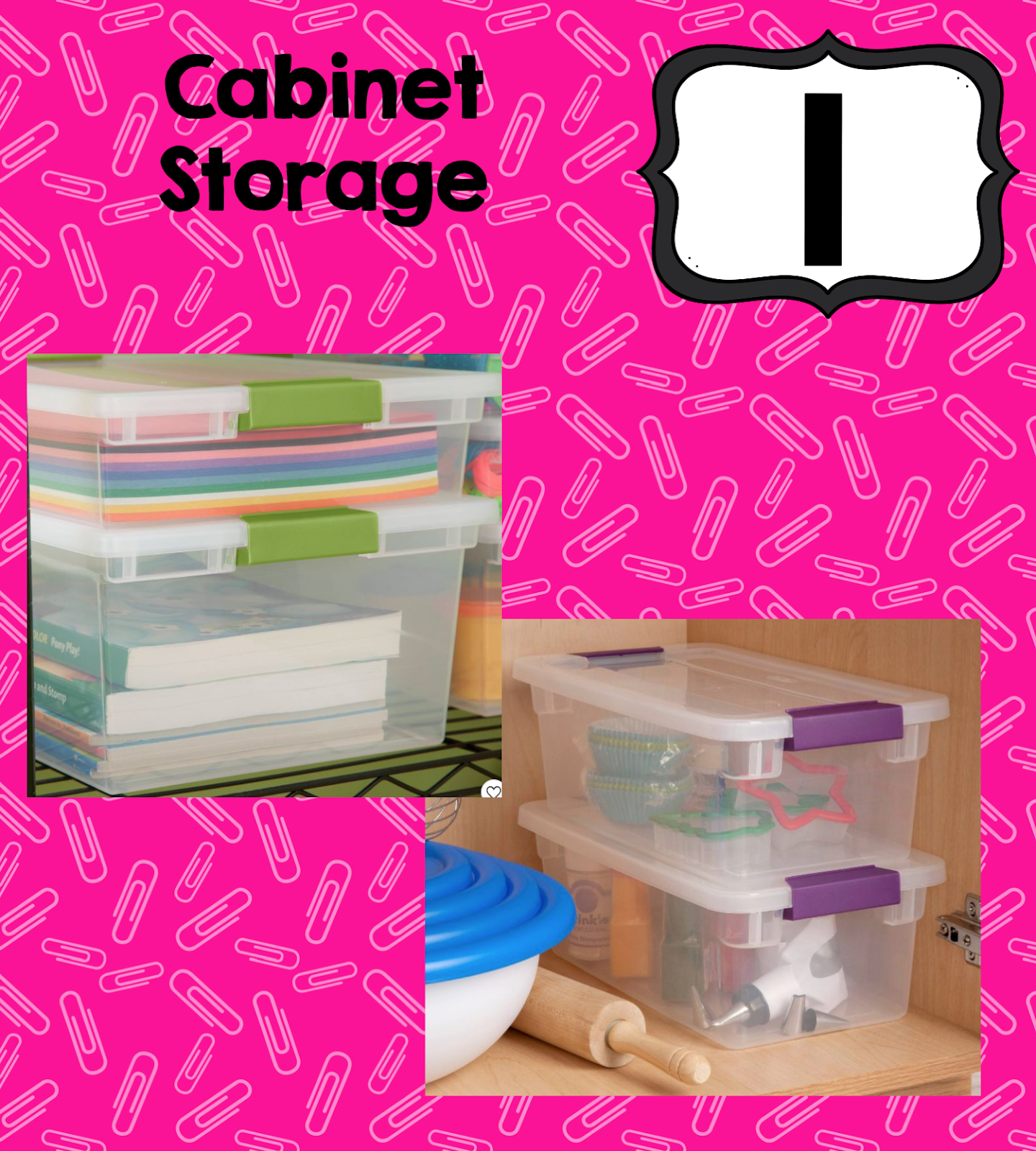
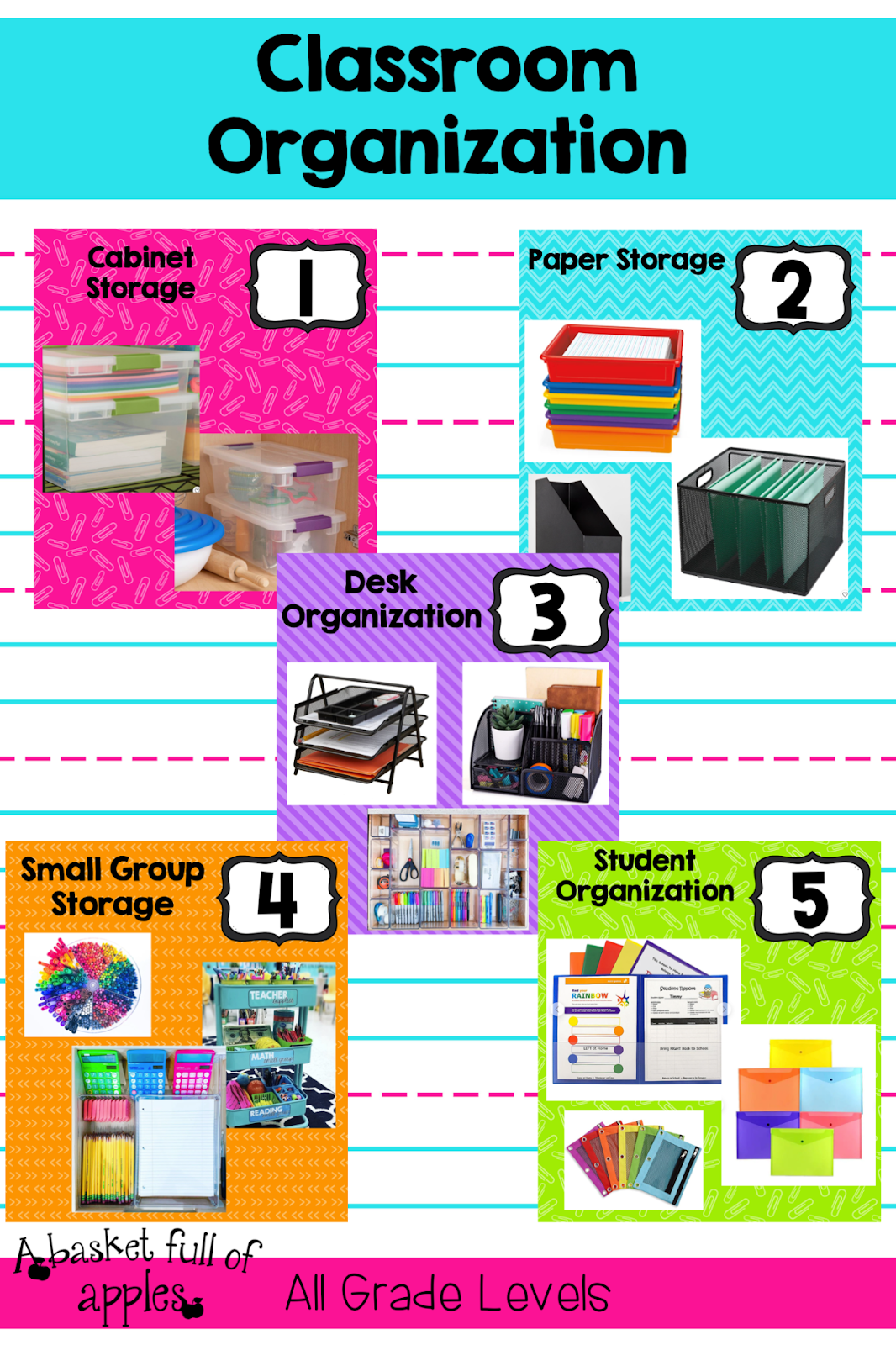
     The first area of the classroom that needs to be organized is your cabinets. This is an area that people don’t really see, but having this area organized will help you easily find things all year long. I love to use small and medium-sized plastic boxes. This allows you to see what is inside. I put all the different supplies that students will need throughout the year in the small boxes. I have a box for each item like pencils, glue sticks, extra crayons, and scissors. Using these small boxes allows me to pull out what we need, and they have a home to go back to when we are done. I also love to use medium-sized boxes for larger items that we use all the time. This can be paper, manipulatives that we use all the time, or any other larger item that you use in your classroom. One of my favorite types of boxes to use is the flat paper-sized boxes. I use these for our different centers around the classroom. Each week I put out the different activities that we will be working on and then put the lid back on them. They stack in the cabinet when we are not using them and then when we need them, I put them out on the tables and everything the students need is all ready to go in the box. These flat boxes work perfectly! 


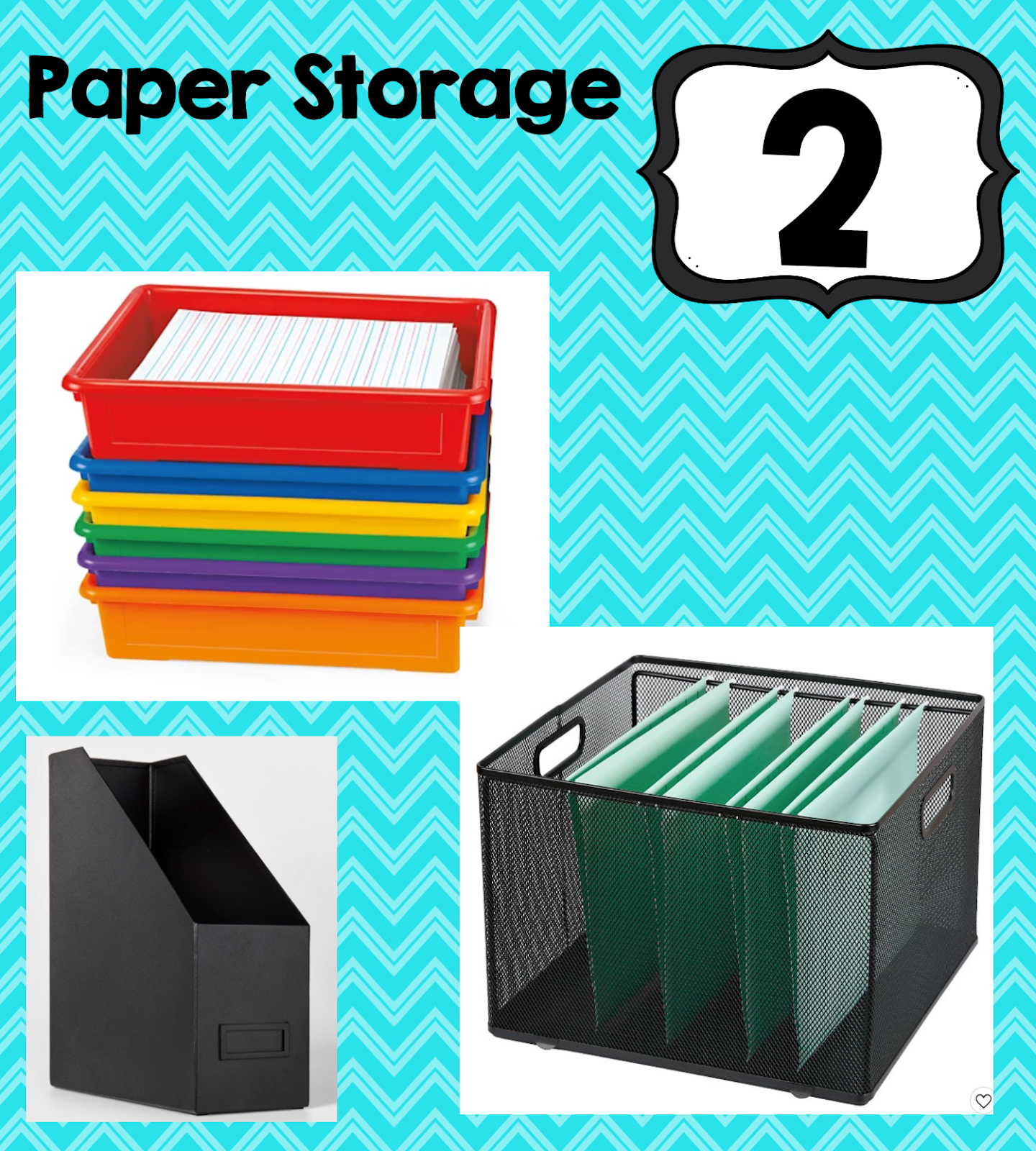
     The next area of the classroom that we need to organize is the paper. I love to have paper supplies out for students so they can get what they need and don’t have to constantly ask for things. I use paper trays for students to get more paper for Writer’s Workshop and also for students to turn things in. There are times that I choose one student from each table to turn everything in for their group. By using paper trays, the students know exactly where they need to turn in the assignments. I also love to use magazine boxes for our folders. This makes it easy for students to find their folders at the start of the day because the folders are all upright instead of stacked inside a paper tray. The last place that a lot of papers go in our classroom is in the file box that I have for students. 


I love keeping portfolios for my students. We keep digital portfolios with all the digital work that we do, but we also do a lot of paper work too. Each week when I hand work back to my students, I have them pick a couple pieces of work in each subject to add to their portfolio. I use a file box to keep all of that work in. This allows the students to quickly put the work in their folder and it also keeps everything organized. When parent teacher conferences come around, I just pull out the portfolio for the student and then they are ready to share all the awesome work they have been doing. 


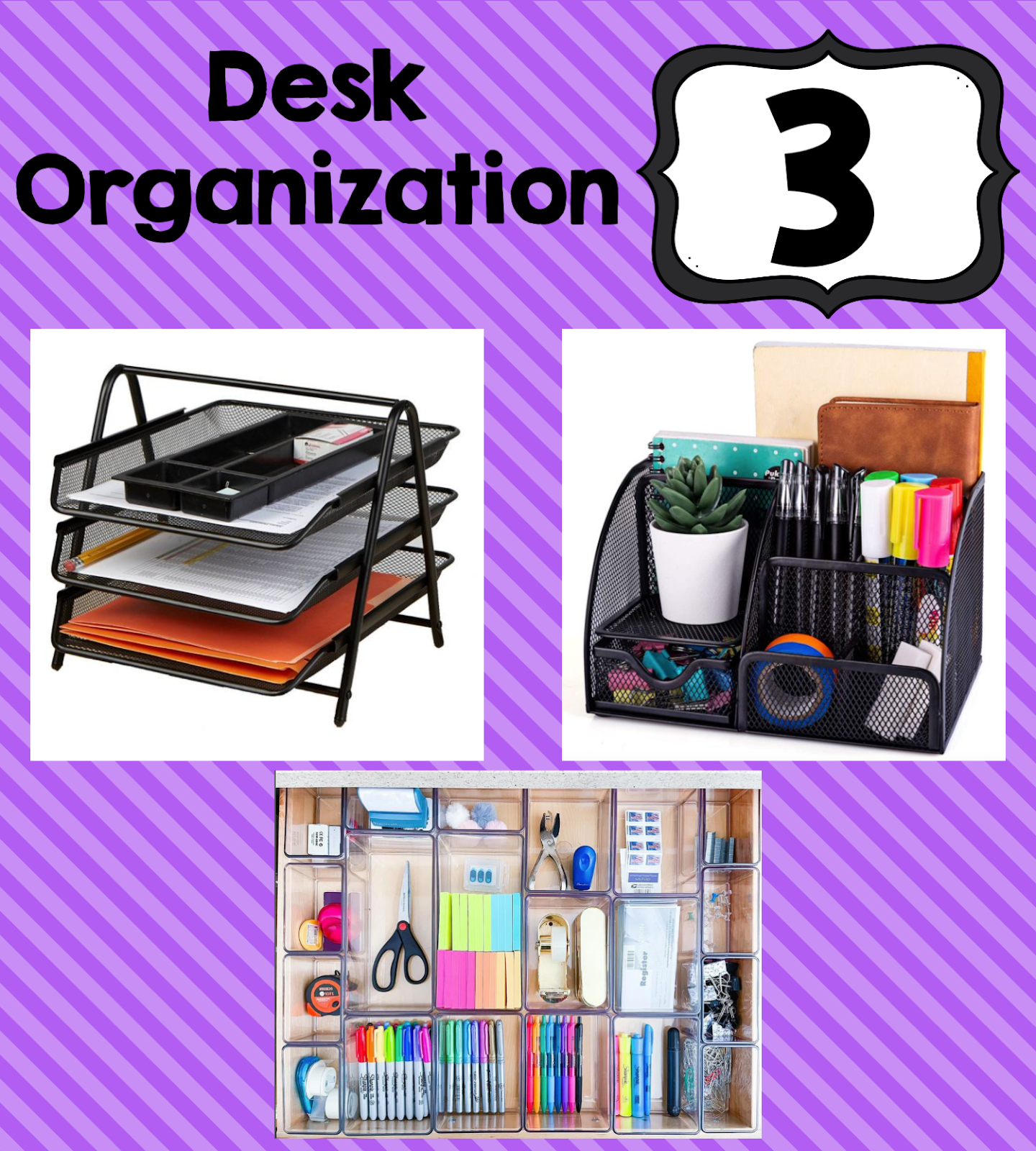
     Your desk is another area that is so important to keep neat and organized. I love to keep a stacking paper tray on my desk. Each of the sections is for different things. The top section is where students put notes from home. I also put things from the office there until I can go through them. The next section is for things that need to get done right away, and the final section is for important papers that I need to keep, like our school calendar or checkoff sheets that I am using at the time. I also love to use some type of desk organizer. This keeps everything that I use all the time at my fingertips. I keep pens, pencils, scissors, post-its, and tape in mine. Inside my desk, I love to use drawer organizers. This keeps everything in its place, instead of everything spreading all over the place. This is where I keep extras of items like pens, pencils, markers, and paper clips. I love having my desk area organized so I can easily find things. 


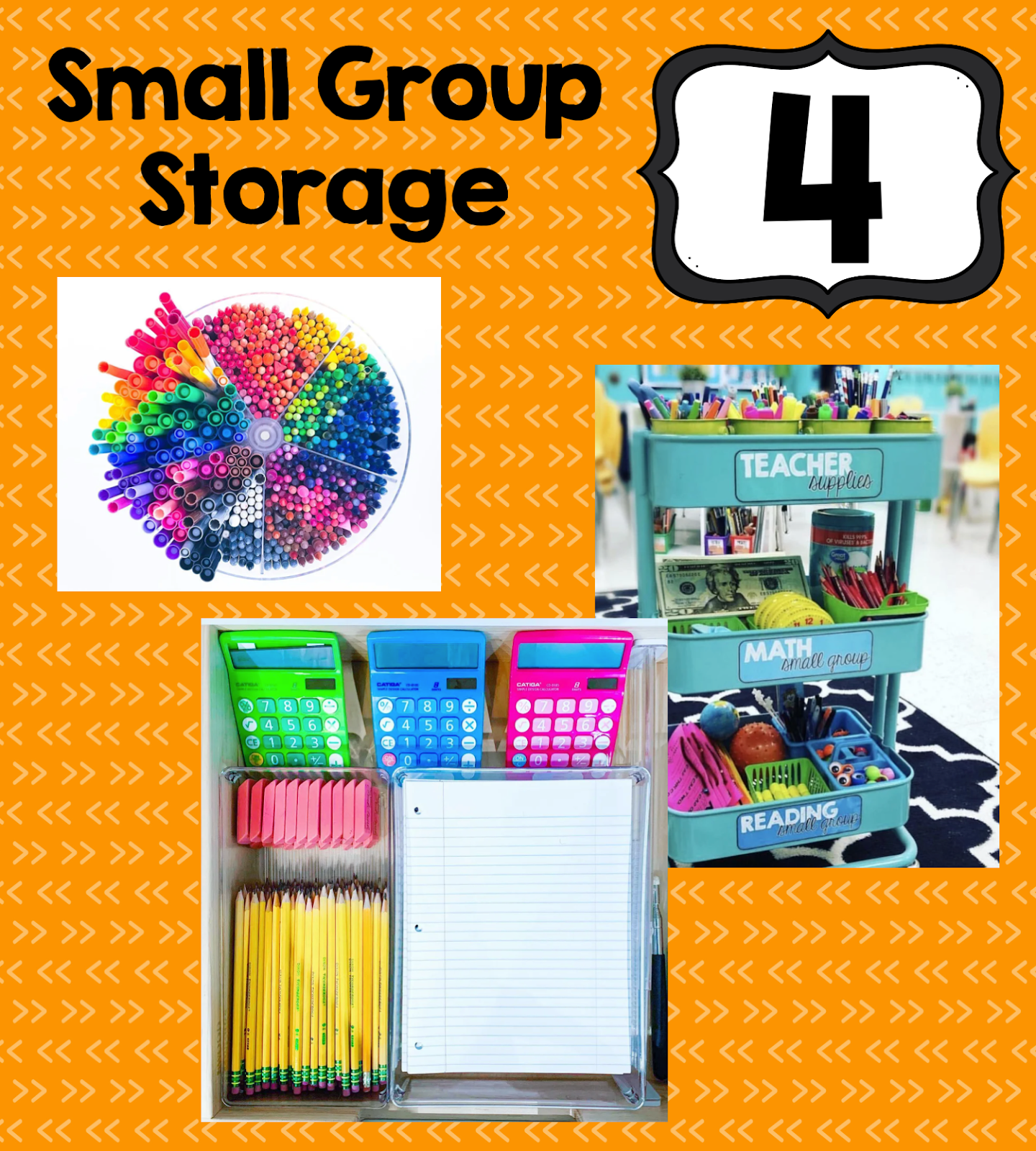
     I love to have a kidney bean table in my classroom. This is a perfect place to pull students to do small group instruction. I like to keep a utility cart next to my table. This allows me to keep everything that I need at my fingertips for our small group instruction. In the utility cart, I keep all my teacher supplies in the top section. The middle section has everything that I will need for Language Arts, and the bottom section has everything that I will use for our math small group instruction. It always works out perfectly to have all the supplies students need in the cart. Having everything in a utility cart lets you move it around to different locations around the classroom if needed. Using drawer organization also allows you to be able to find things quickly. I also like to use a round sectioned organizer for all the items like pencils, crayons, and markers, that students will need all throughout the small group instruction. 


     The last area that we need to organize is the students' materials. I make sure that students always have a folder in their desk to put all their papers in. I have my students use a packet for the week before they turn things in, so it is important that they have a place to keep those papers. I like to use plastic folders because they hold up for the whole year. I also like to have my students use pencil pouches rather than pencil boxes to keep their supplies so they can easily move around the classroom with our flexible seating. I recommend using fabric pencil pouches because they hold up well. The last thing that I love to use with students is plastic envelopes. These always work out well for giving work back to students. They take them home, parents review the work, and then they return them the next day. Once again, I like to use the plastic envelopes because they hold up so much better. One issue is that sometimes students do not return the envelopes. I like to have some kind of incentive, like class money, for students to be motivated to return the envelopes. 


    Keeping your classroom organized is so important. An organized classroom will help your students know where things go. It will also help your students to keep the classroom clean and tidy. When everything in your classroom has a place to live, your classroom will always stay organized and clean.


Wednesday, August 3, 2022

My 8 Favorite Picture Books to Teach Social Emotional Learning to Your Students

Picture Books are my favorite way to introduce new concepts to my students. Social-emotional learning is a concept that teachers need to be teaching in their classrooms, and I find it so helpful to introduce these concepts using picture books. Picture books help my students put new concepts into action. I love to see my students reflect on the things that they’ve learned in picture books and have discussions with their classmates. Today we are going to talk about the books that I like to share with my students to learn more about social-emotional learning. 


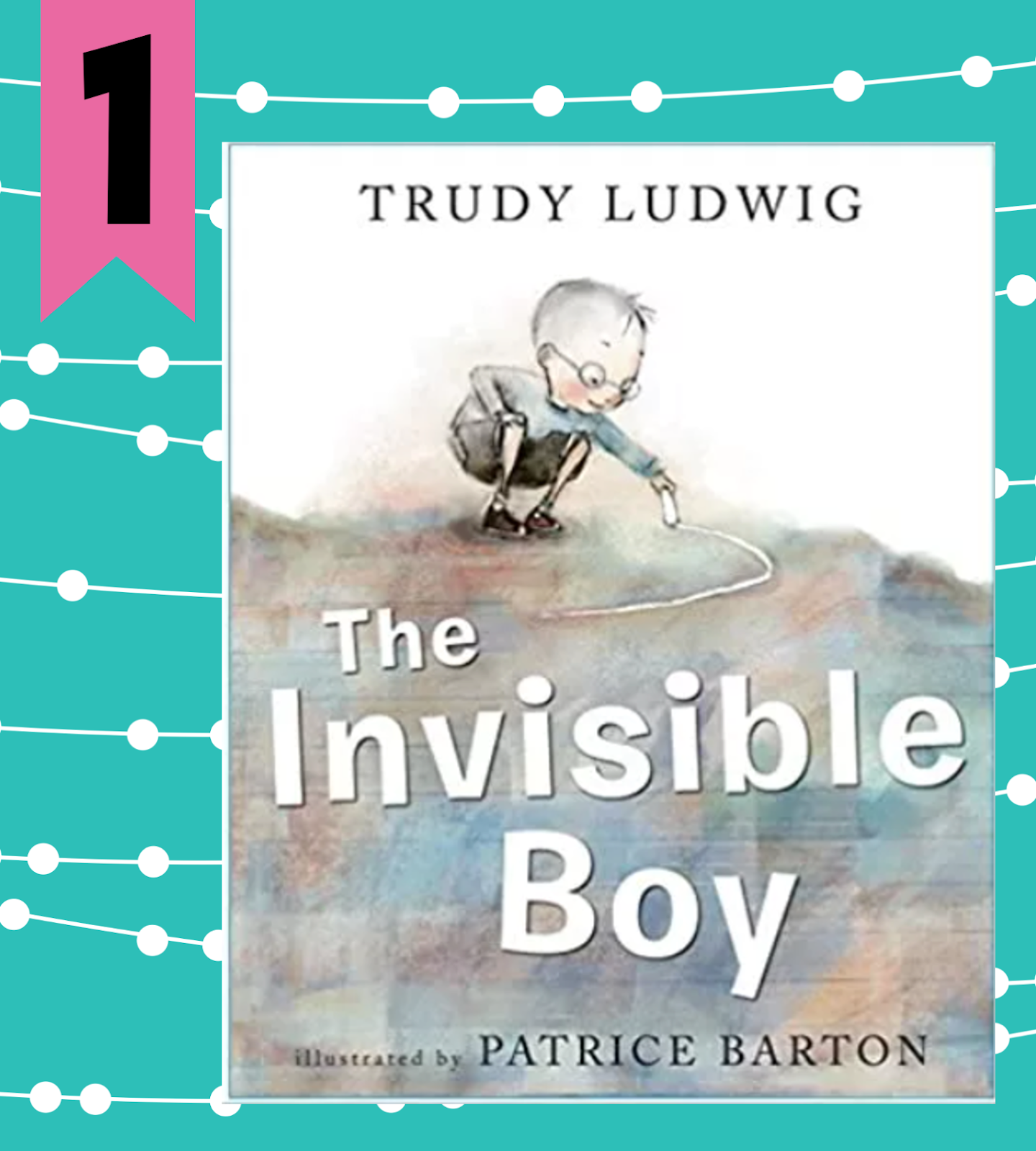
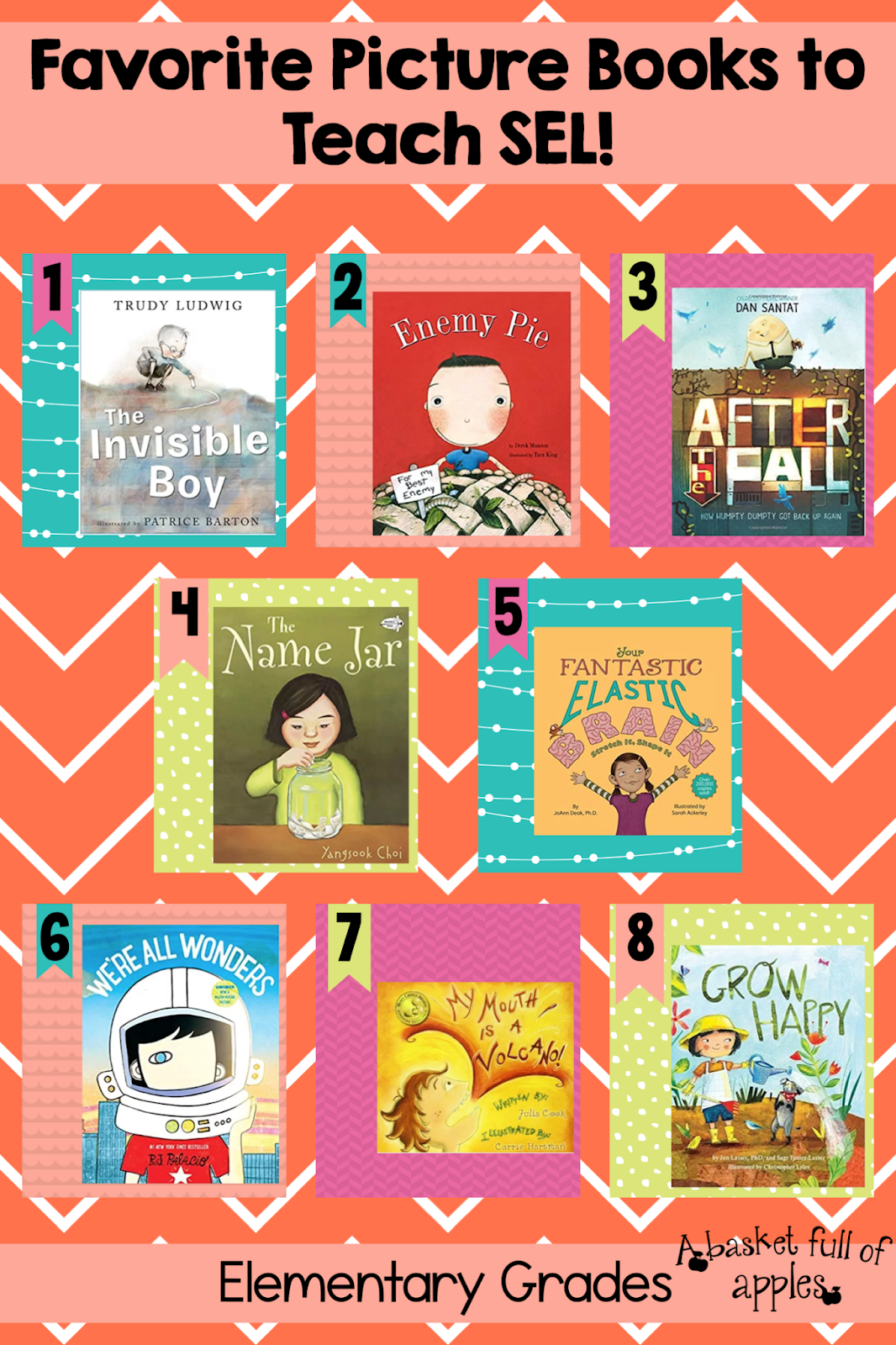
     The first book on the list is The Invisible Boy by Trudy Ludwig. This story is about a little boy who feels invisible and is not included in the activities of his classmates. Everything changes when Justin joins the class. Justin and Brian work together on a project and everything changes for Brian. The rest of the class starts to see what Brian has to offer to the class. This is a great story to help your students understand how to include everyone, and how excluding our classmates can make them feel. 


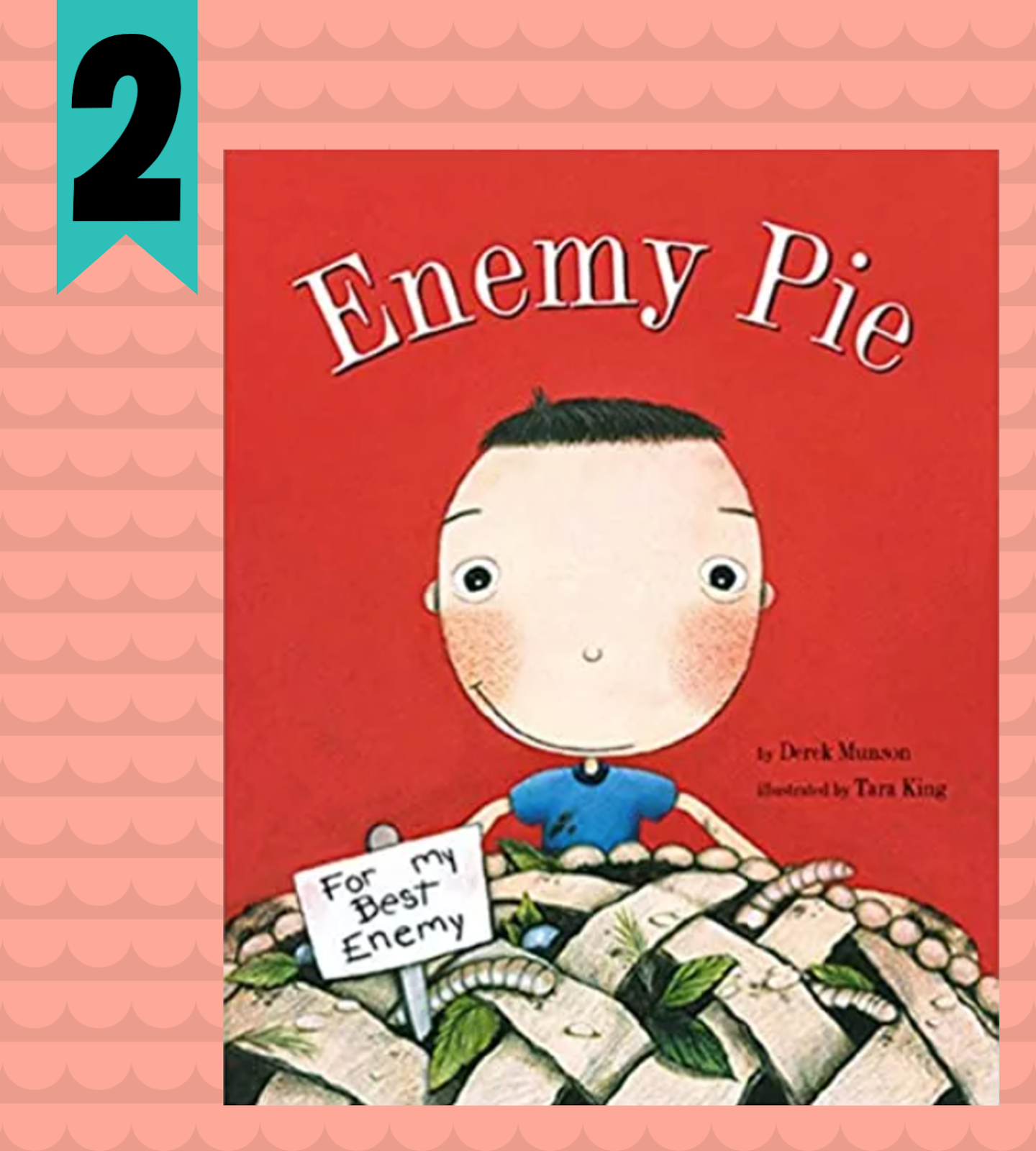
     The next book on the list is Enemy Pie by Derek Munson. This is the perfect story to teach kindness, respect, courtesy, and friendship. In this fun story, a little boy learns a recipe from his dad to turn an enemy into his friend. This book is perfect for kids learning how to make friends and resolve conflict. 


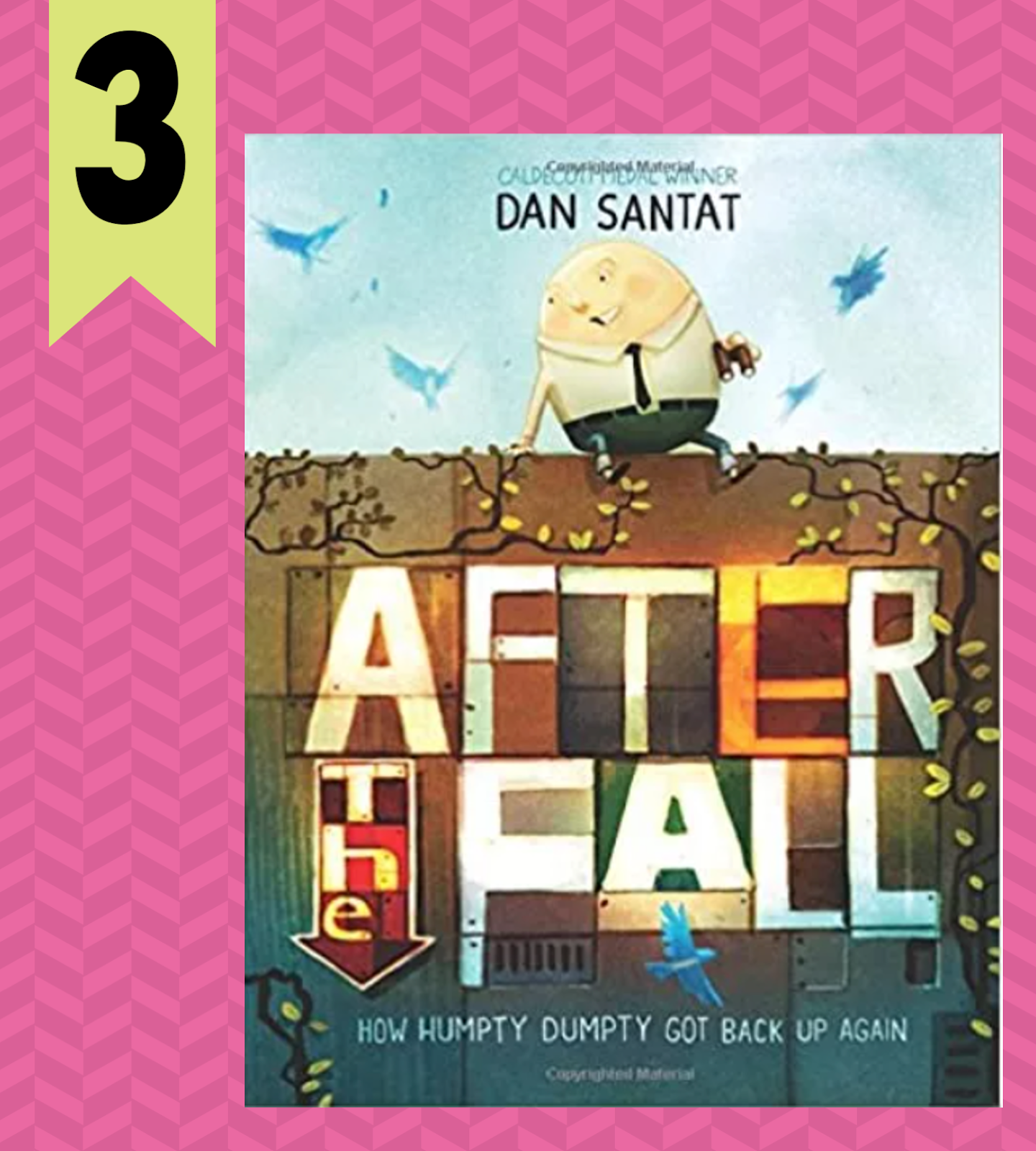
     The next book on the list is After the Fall by Dan Santat. We all know that Humpty Dumpty had a great fall, but what happened to him after the fall? This is an excellent story about facing your fears. Humpty Dumpty is scared to do the things that he always loved. Will he ever get the courage to face his fear and try the things that he loves again? 


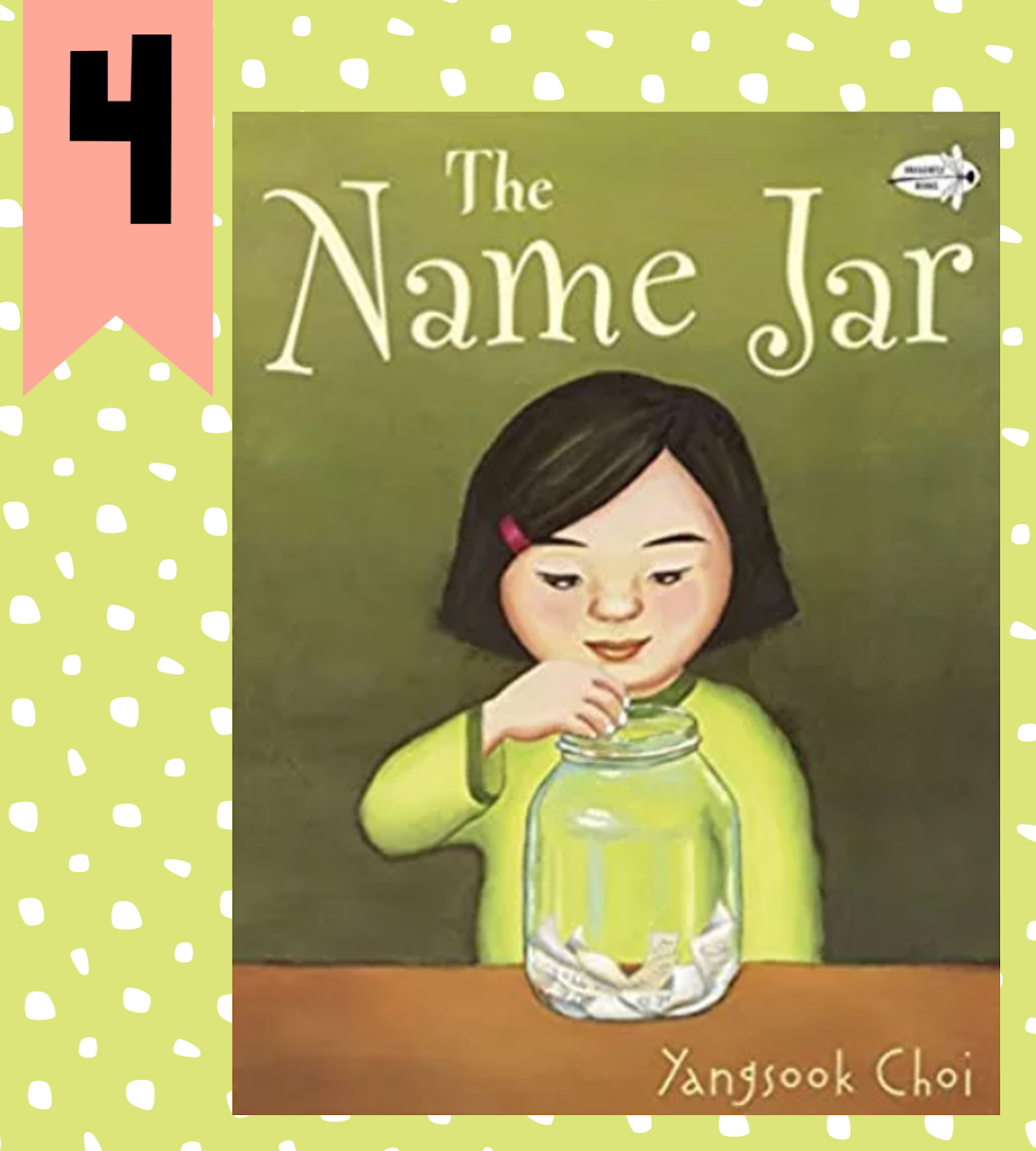
     The next book on the list is The Name Jar by Yangsook Choi. Being the new kid can be hard. Unhei decides that instead of having the class learn to say her name, she will have the class create names for her and put them in a jar. But after trying out the different names, nothing feels quite right. Her new friend helps her realize that her name is special. This is a great story to help students feel accepted and realize that each one of them is special. 


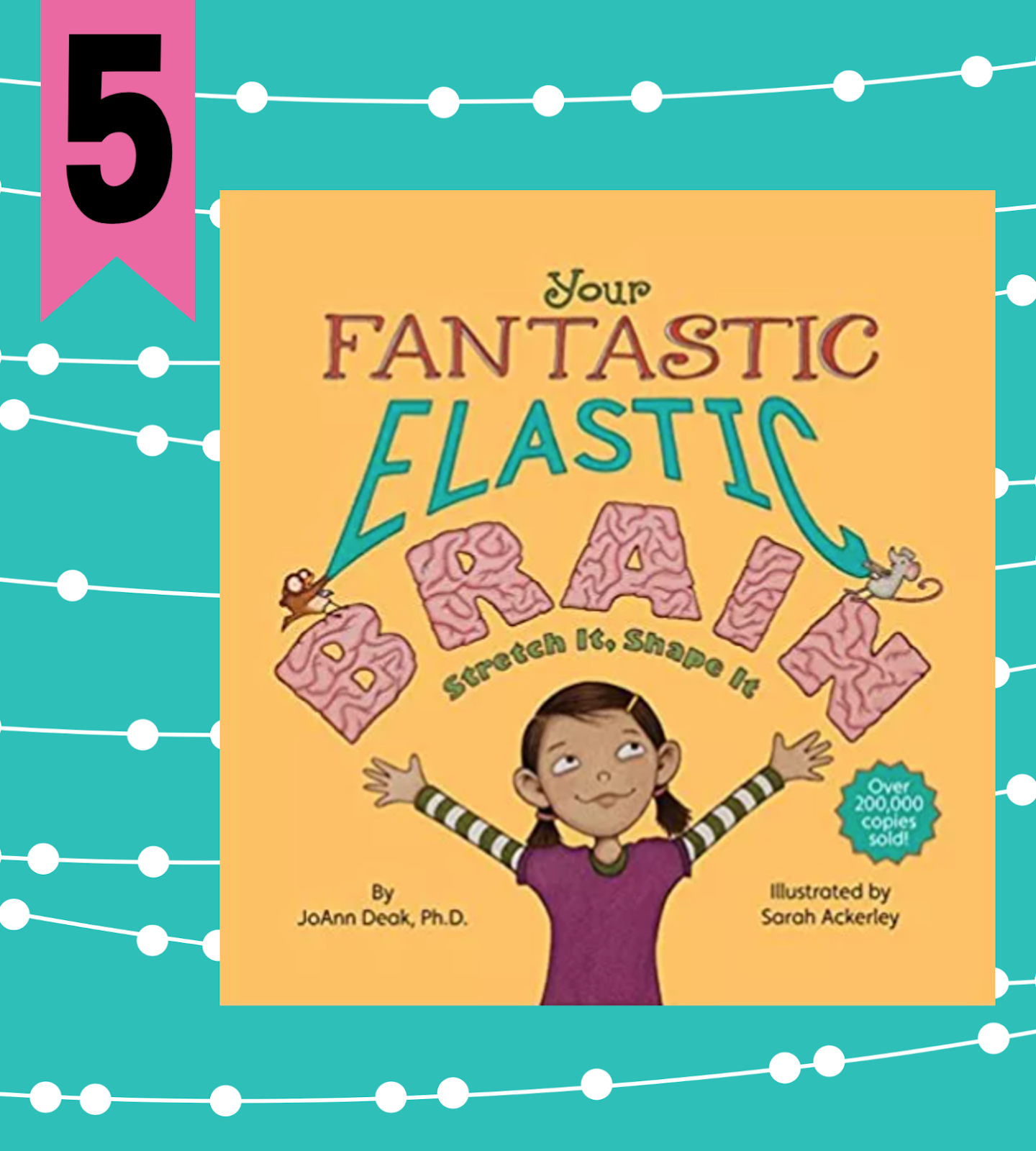
     The next book on the list is Your Fantastic Elastic Brain by JoAnn Deak. This is a great book to teach kids about a growth mindset. It is so important for kids to have a growth mindset rather than a fixed mindset. This book talks about all the ways we can stretch our brain and help it learn things. 


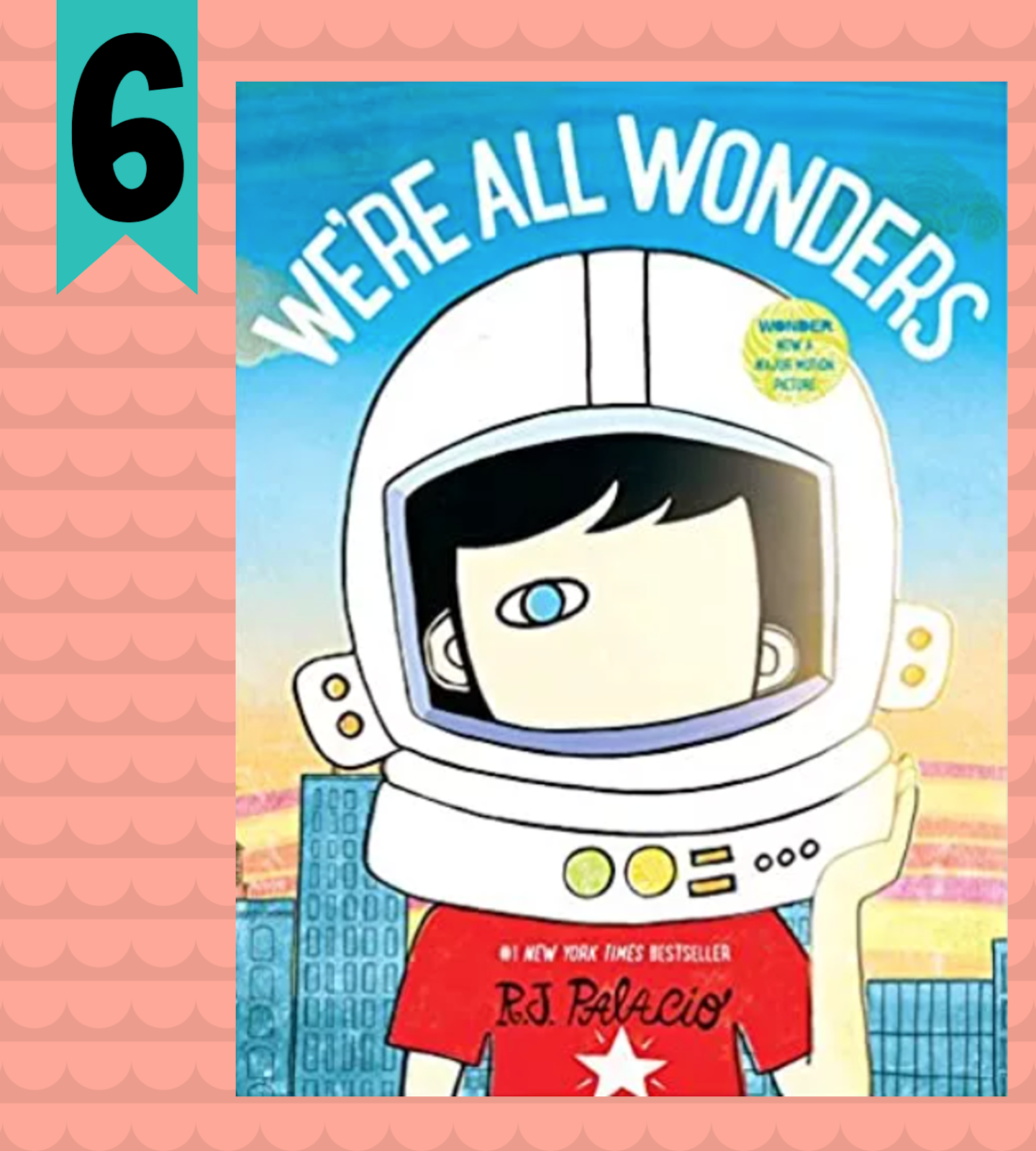
     This next book on the list is always a favorite. We’re All Wonders by R.J. Palacio goes along with the book Wonder. This book goes into the life of Auggie and what it is like to live in his shoes. This is the perfect book to discuss the idea of belonging. This is perfect for younger children to discuss the concept of empathy and kindness. 


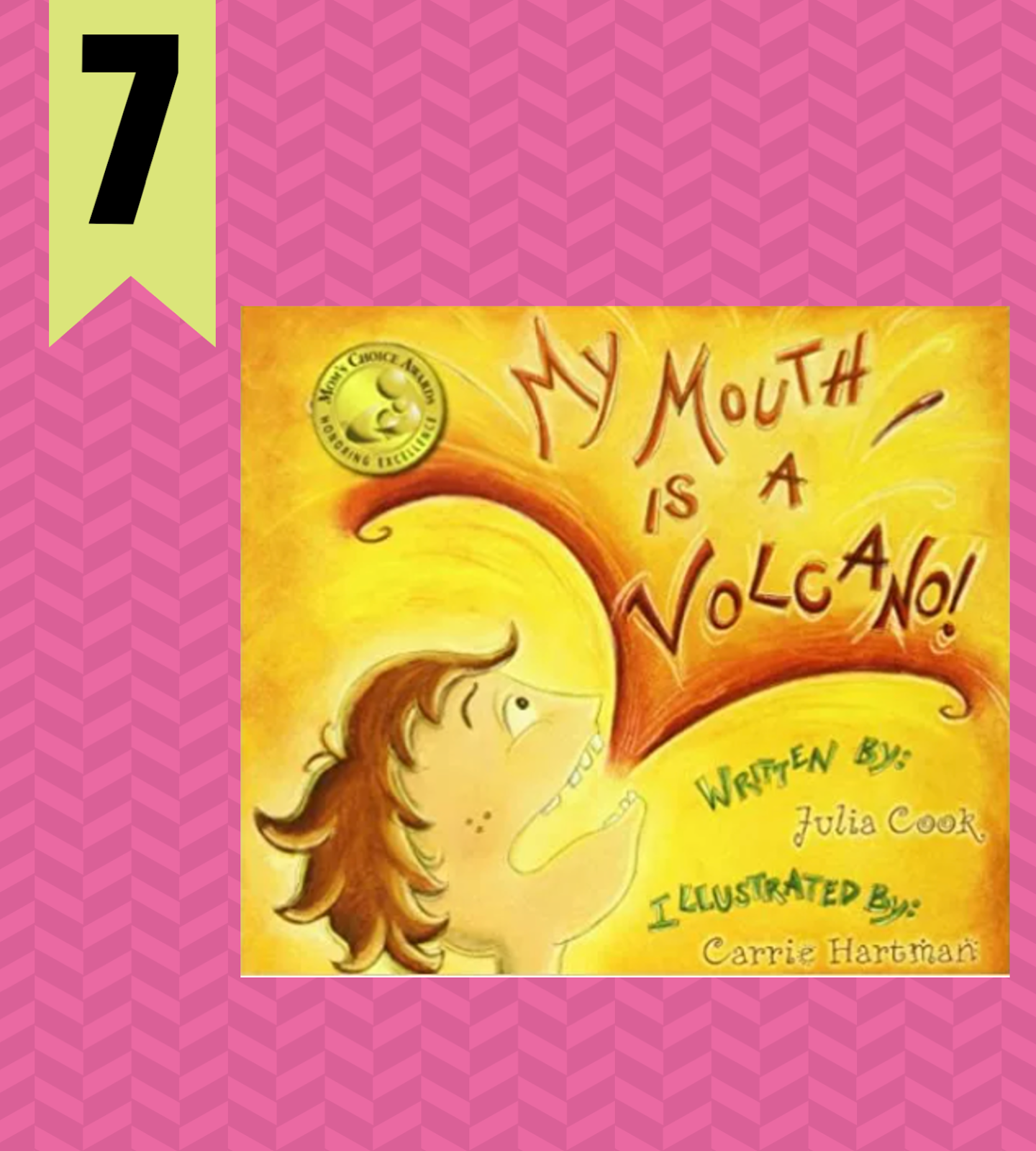
     The next book is My Mouth is a Volcano by Julia Cook. Louis has a problem with interrupting. His thoughts are very important to him and the words just come out like a volcano. Then some other people start to interrupt Louis and he learns how to patiently wait for his turn to speak. I feel like students who interrupt is always a challenge in the classroom, and this book is a great story to help with this. 


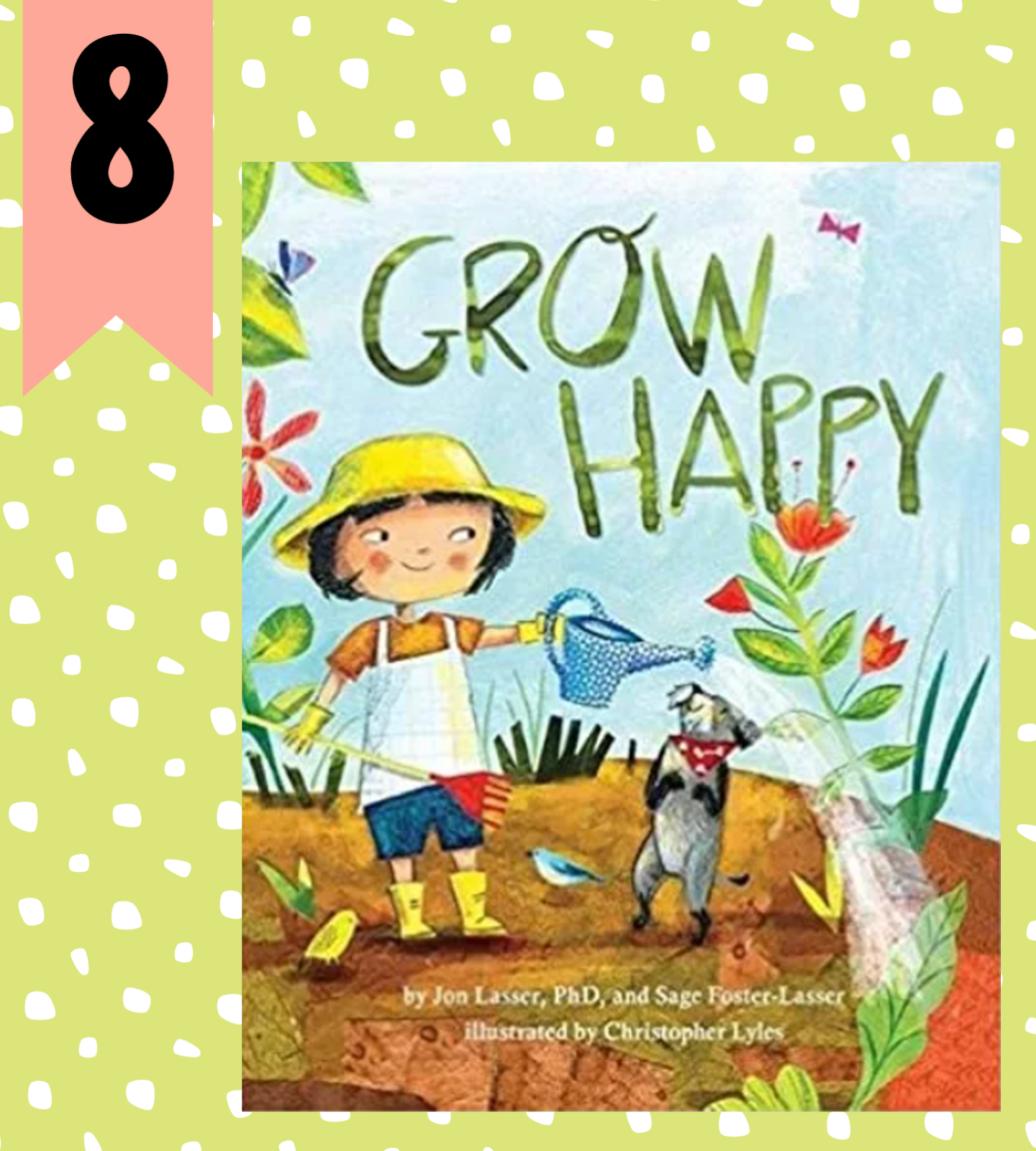
     The last book on the list is Grow Happy by Jon Lasser. In Grow Happy, Kiko loves to garden and take care of her garden. She learns that just like her garden is happy, she can be happy too. This book helps kids to see that they are able to nurture their own happiness. The tools that the book introduces are social support, good choices, and problem-solving skills. The message of this book is perfect for the classroom. 


     This list of picture books is perfect for helping our students with social-emotional learning. I always enjoy seeing my students take all of these lessons to heart. What books do you love to share with your class for social-emotional learning? Share your favorites with me in the comments! I can’t wait to add more to my classroom favorites! 


Wednesday, July 13, 2022

6 of my top tips for Creating a Digital Classroom with Google Apps

  Technology is more and more popular in classrooms, but teachers don’t always know how to bring more technology into their classrooms. Today I am going to show you how you can easily bring more technology into your classroom and make your students excited about learning!


     The first thing I encourage teachers to implement is Google Classroom. This app makes it easy to create a virtual classroom and invite your students in. Once your students are in your class, you can easily create assignments for them. You are able to see what work your students have and haven't completed. You can also grade their work in the app and return it to them. Parents can also view their child’s work and see what has been completed and what work still needs to be turned in. Google Classroom allows teachers to seamlessly assign, collect, and grade work. 


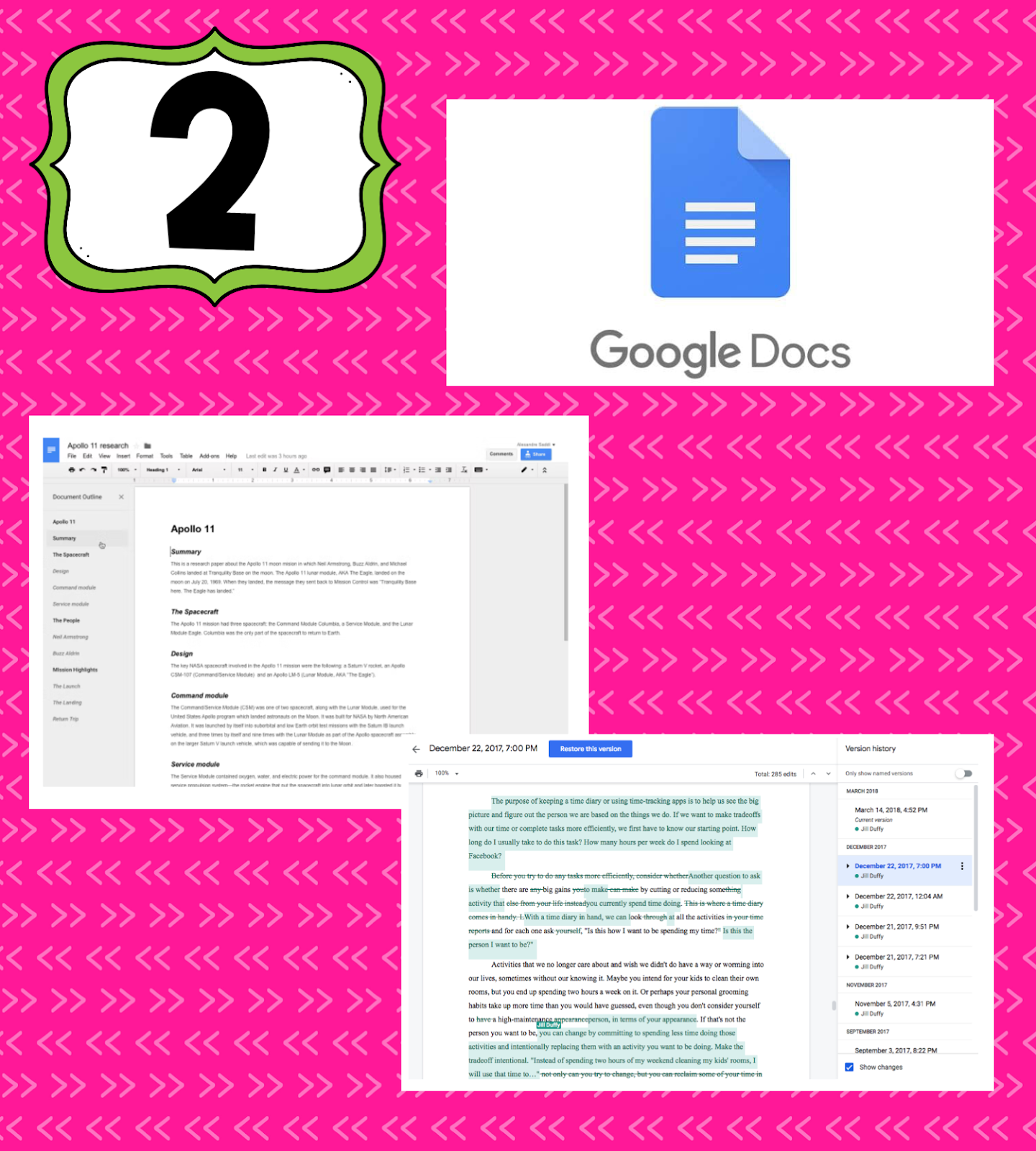
     The next app on the list is Google Docs. This an excellent app to allow students to create all the different writing assignments they have. In my classroom, I have students publish all of their writing throughout the year on Google Docs. This keeps a record of their work and it also allows them to work on their typing skills using real world applications rather than just typing on a typing program. Publishing on Google Docs gives students a reason to be typing, and they are working on those typing skills and don’t even realize it! There is so much typing now on the state tests and students need to be given opportunities to practice their typing skills. Another thing I love about all of the Google apps, but especially Google Docs, is that students can work together on one document from their own devices. As students are typing they will each have their own cursor with a different color. As a teacher, it is also great to be able to see revision history so you can see what students were typing and what they deleted. Google Docs can also show you if the student typed up the document word by word, or if they just copied and pasted the entire document. 


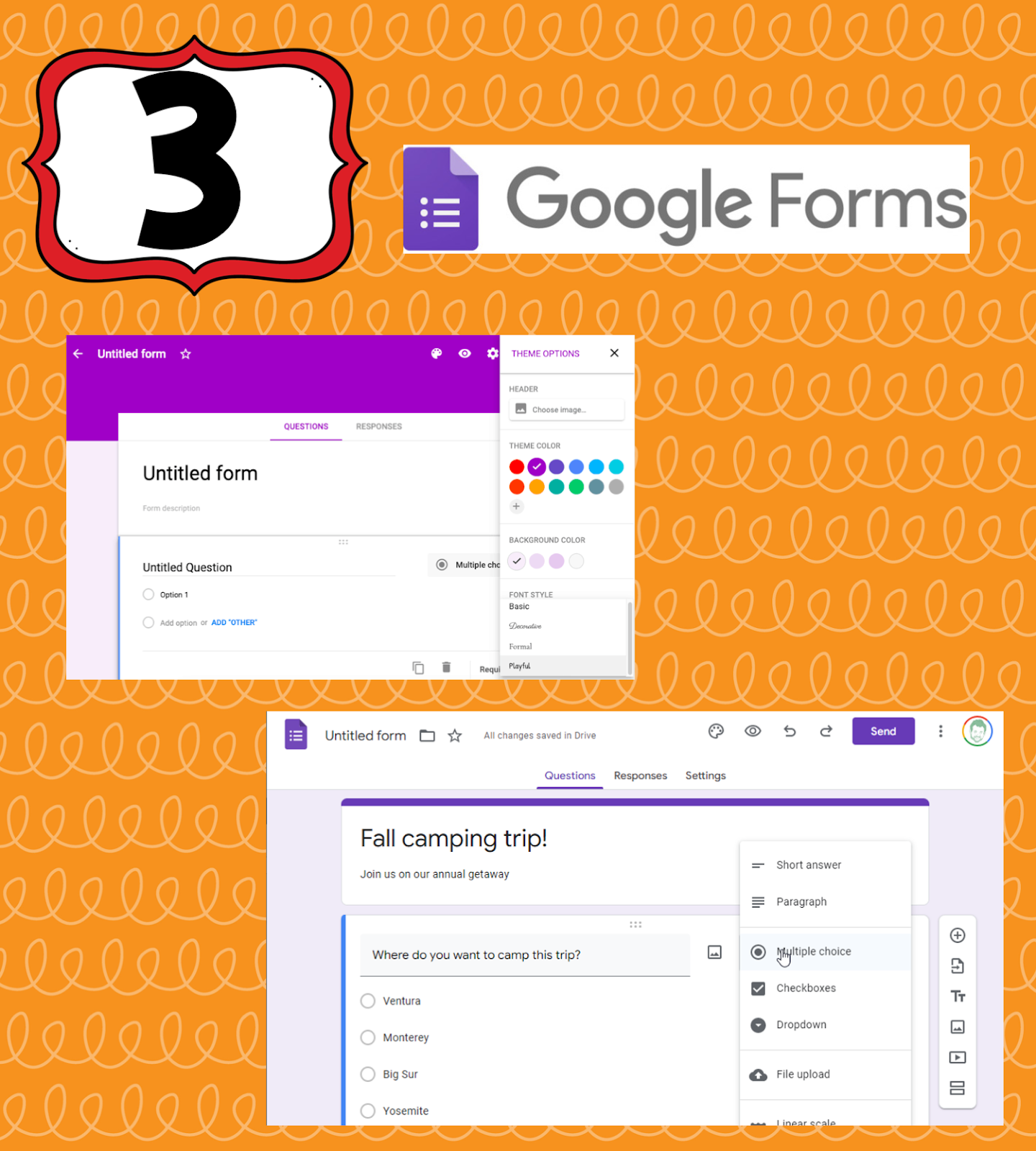
     The next Google app on the list is Google Forms. This is a great app that lets you collect data from your students. One way that I did this in my classroom was to do check ins with my students. Each morning, as part of our morning routine, the students would fill out the Google Form to let me know how they were doing. All of the data from the form automatically goes into the spreadsheet, which makes it easy to see the data from the Form. Google Forms also allows you to create quizzes for your students. They can even be self correcting so your students know right away how they did. The quizzes feature can be used for practice, quizzes, and tests. Google Forms can also be used to collect data from parents. I love to use a Google Form when I need to collect information from parents! A perfect time to do this is at the start of the school year when you need to collect all of that important information about families and students. 


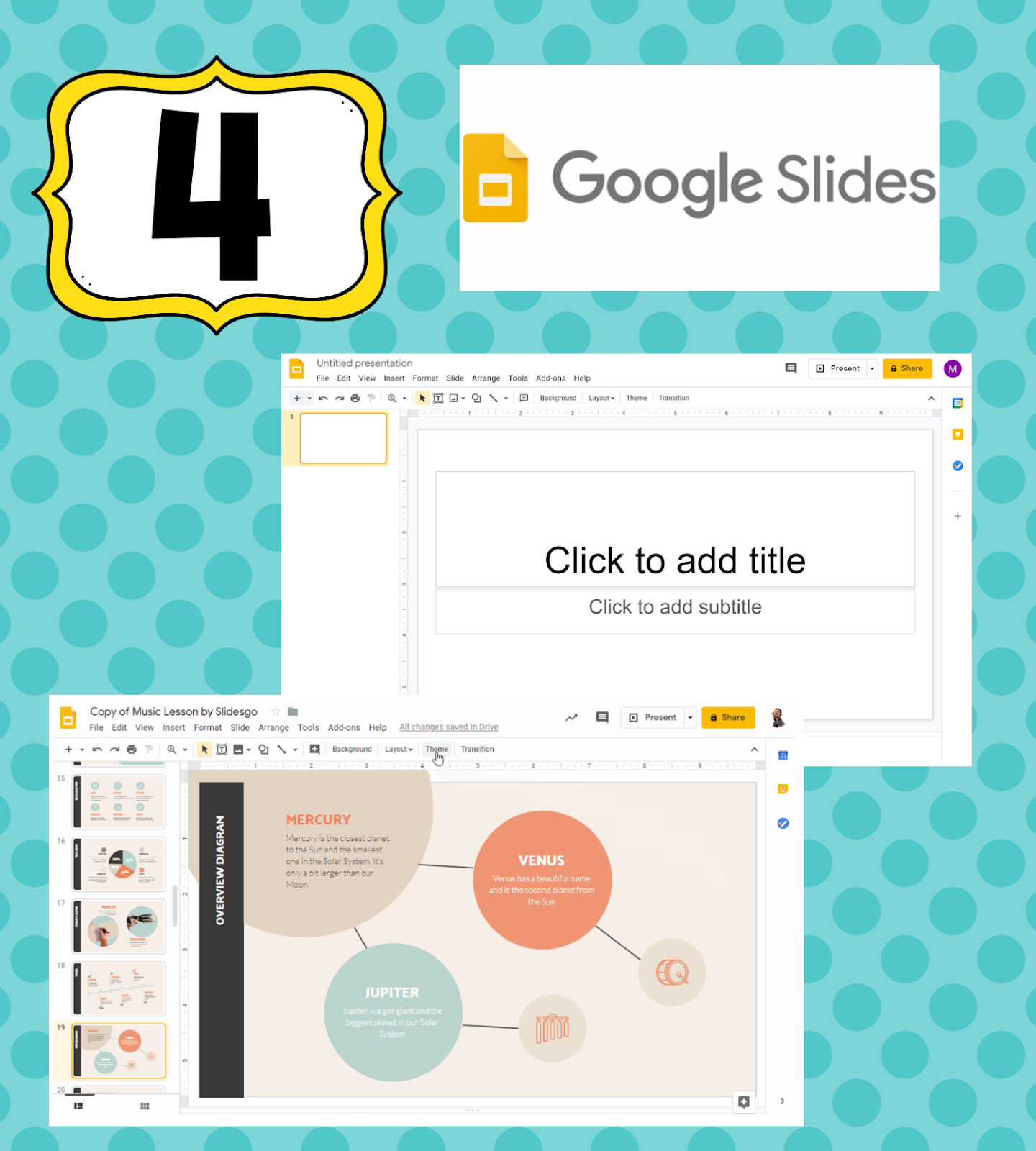
     The next app on the list is Google Slides. This app is wonderful for presentations! I love to have my students use slides to create presentations for different topics we are studying. I enjoy seeing their creativity with pictures and writing on the slides. The students love to then share what they learned and created with their classmates. Google Slides are also a great way to have students practice different ELA and Math skills. You can create a document in Power Point and then save them as photos. The photos can then be put in the background of the Google Slides so students can type on top of it. When the pictures are set as the background, students are not able to delete the content that you as the teacher created in the photo. 


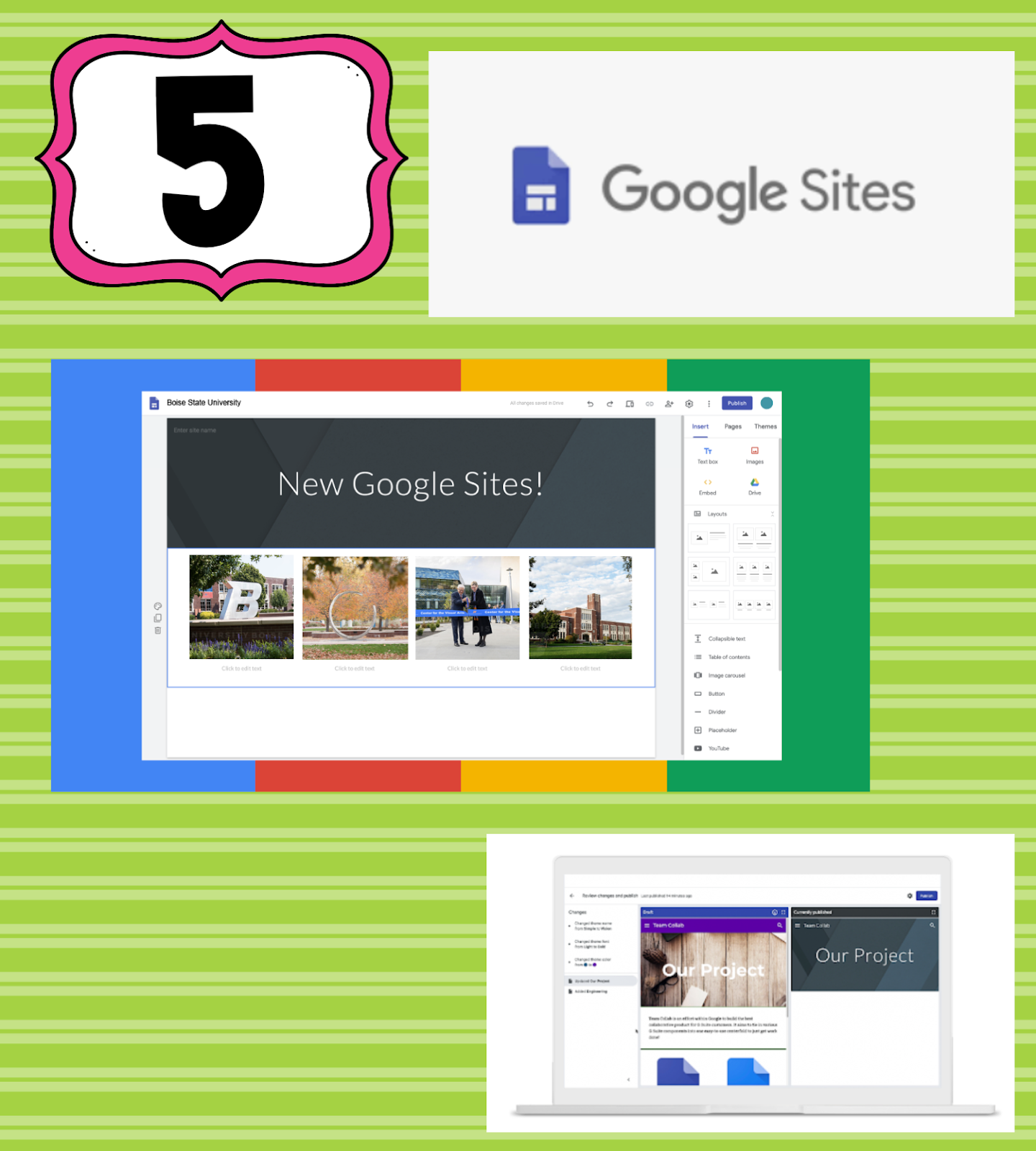
     Next on the list is Google Sites. This app allows you to create a website through the Google Chrome platform. I love to use this as a website for my families! This is the hub of our classroom, and parents or students can always come to this site when they have questions about our class or need to find a detail about something. I have my site published for the public so my families can get to it without being on our school network. I also have a link to it in my email signature so parents can quickly find it. The other thing I love to use Google Sites for is student portfolios. Because students are doing so much work through Google apps, it's easy for them to connect their work to the site. At the start of the year, the students create sections on the site for each subject we do in class. Students then add the work they are proud of to the different sections. As students get older, they can add to the portfolios each year. When they are ready to graduate they have a record of all their work throughout the years. For their portfolios, I leave them as private so only people in our school network can view them. Students can use these portfolios to talk to their parents about their learning at our student led conferences. 


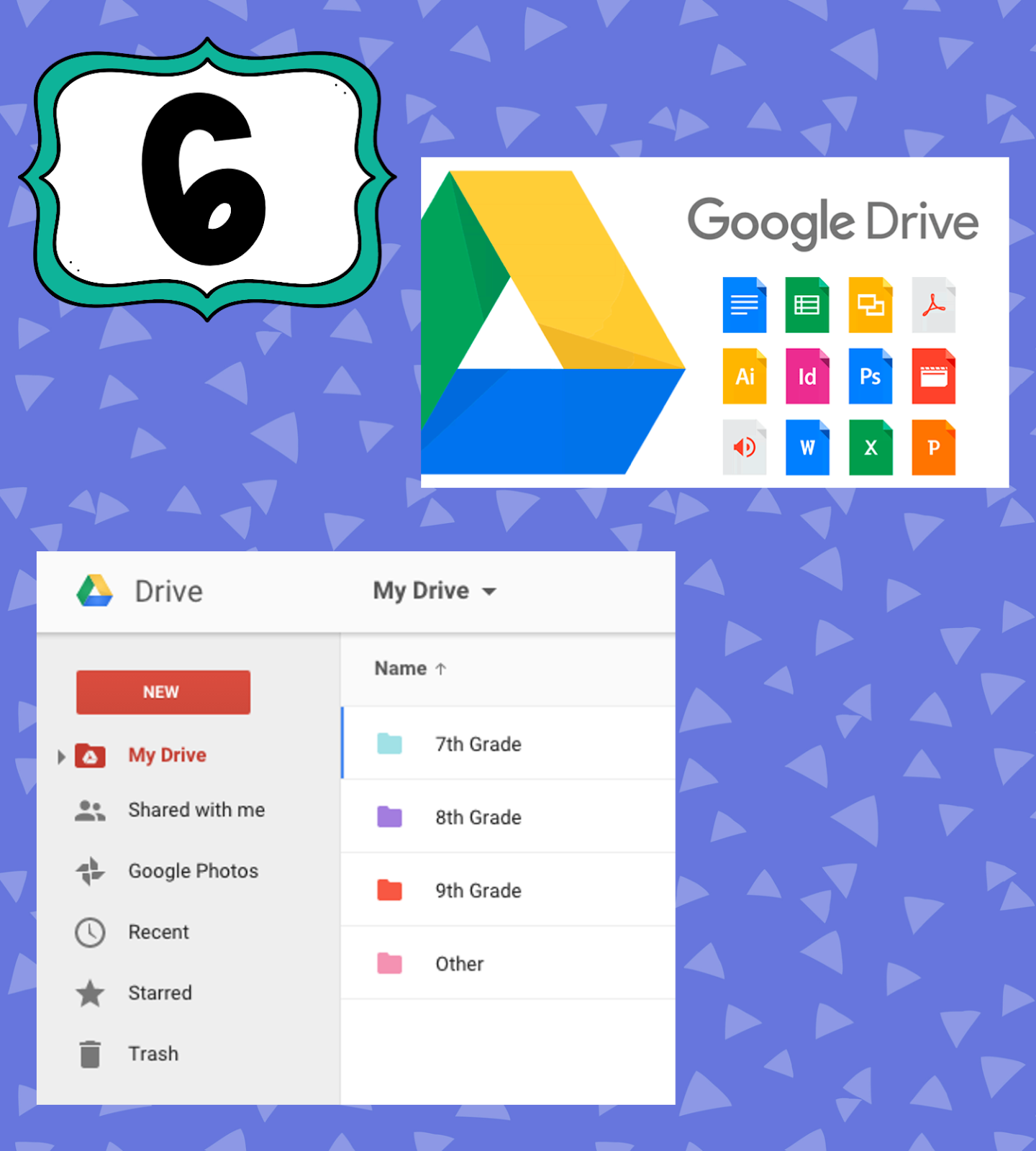
     The last Google app on the list is probably the most important of all the apps. Finally, we are going to talk about Google Drive. Drive is where all of your documents are housed. When you create a document in any of the apps, Google puts it in your Drive. You can also upload any documents to your Drive to keep a backup copy for you. One thing I love about Drive is that when you use Google Classroom and you create an assignment, Drive automatically creates a folder for you to keep all your students' work. The students have a copy in their Drive, and a copy is also made for your Drive. No more losing work for your students! There is always a copy for you. 

     Google apps are a great way to create a digital classroom. Google apps allows you to organize your students work and helps you to organize parent information as well. Google has made it so eady for educators. What Google app are you going to try first? 


LinkWithin

Related Posts Plugin for WordPress, Blogger...